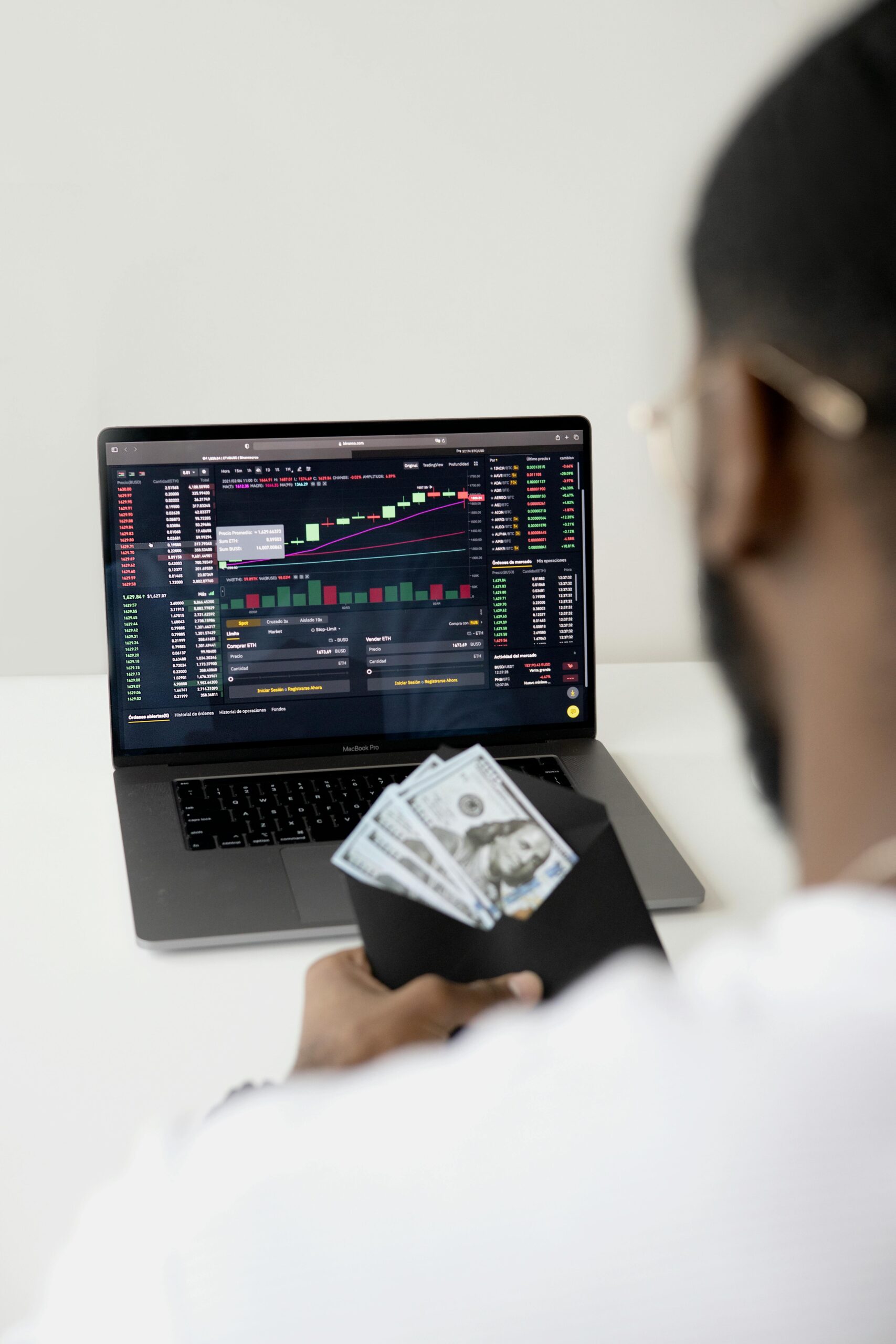
The Significance of Expert Advisors in Financial Markets

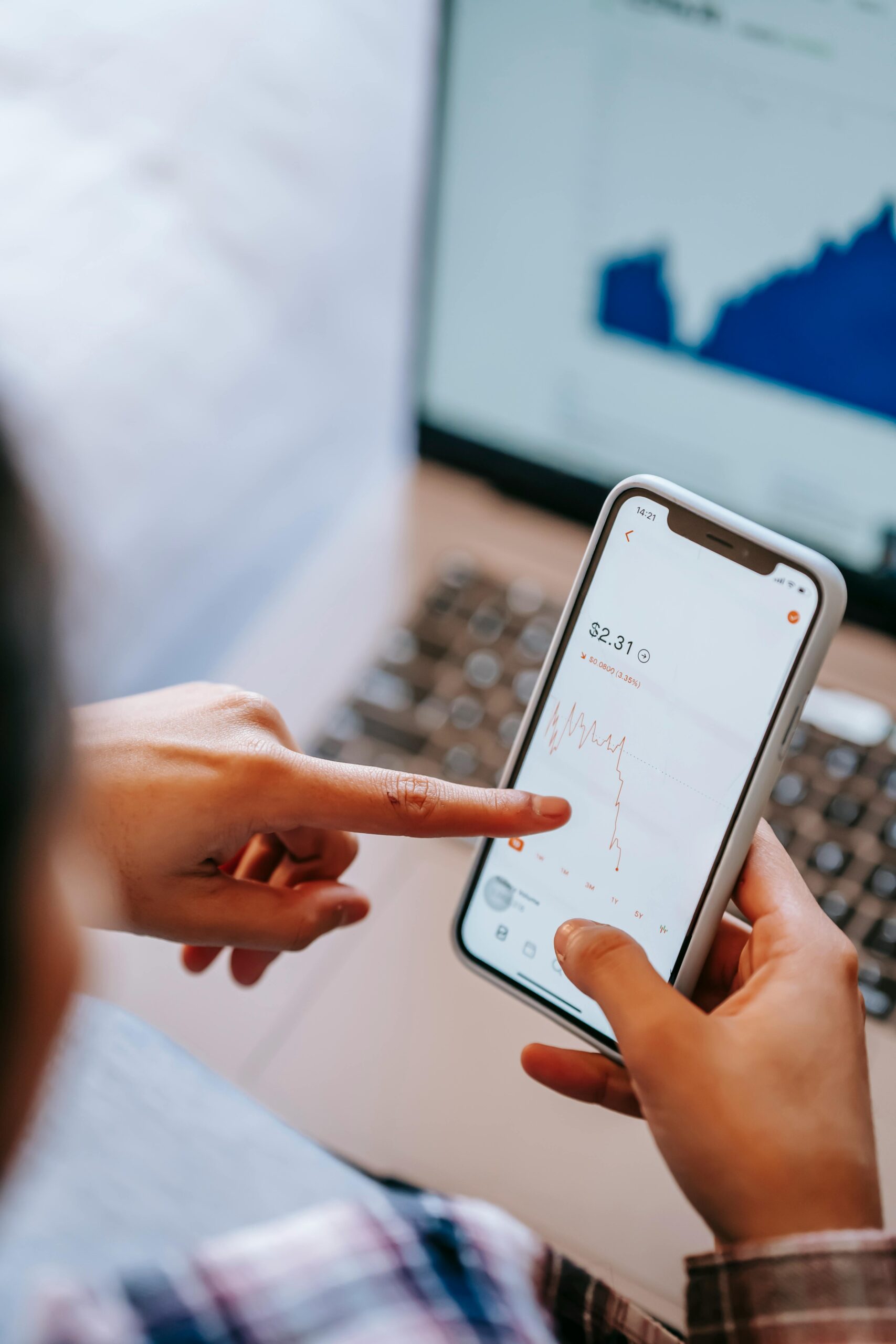
Key Takeaways
- Errors to Steer Clear of when Using Expert Advisors
- Integration of Expert Advisors into a Holistic Trading Strategy
- Patterns in Expert Advisor Advancement and Creativity
- Legal Factors to Ponder on for Expert Advisor Application
- Anticipated Direction of Expert Advisors in Financial Markets
- Instruction and Learning for Efficient Expert Advisor Application
- Guidance Services for Introducing Expert Advisors
- Potential Partnerships for Expert Advisor Creators
Common Mistakes to Avoid when Using Expert Advisors
When utilizing expert advisors in financial markets, it is crucial to avoid common mistakes that can undermine their effectiveness. One common error is over-reliance on automation, where traders may become complacent and fail to exercise human oversight. This lack of monitoring can lead to missed opportunities or significant losses, highlighting the importance of maintaining a balanced approach between automated tools and manual intervention.
Another mistake to avoid is neglecting to thoroughly test and optimize expert advisors before deploying them in live trading environments. Failing to conduct sufficient backtesting and forward testing can result in suboptimal performance and unexpected outcomes. By taking the time to properly assess the functionality and parameters of expert advisors, traders can enhance their reliability and suitability for achieving trading objectives.
Overreliance on automation and lack of human oversight
Overreliance on automation and lack of human oversight can pose significant risks in the use of Expert Advisors in financial markets. While these automated tools offer efficiency and speed in executing trades, entrusting decision-making solely to algorithms can overlook critical market nuances and unexpected events. Traders may fall into the trap of complacency, assuming that the Expert Advisor will always make optimal choices without the need for human intervention.
It is crucial for traders to maintain a balance between utilizing Expert Advisors for their advantages in analysis and execution, while also exercising caution and discretion in monitoring their activities. Incorporating regular manual oversight can help in identifying potential errors or anomalies in trading patterns that automated systems may not detect. By combining the strengths of automation with human judgment, traders can navigate market fluctuations more effectively and mitigate the risks associated with overreliance on Expert Advisors.
Incorporating Expert Advisors into a Comprehensive Trading Strategy
Incorporating Expert Advisors into a comprehensive trading strategy involves integrating automated tools seamlessly with manual trading practices. By supplementing human decision-making with algorithmic assistance, traders can benefit from the speed and efficiency offered by Expert Advisors. This hybrid approach allows for more precise execution of trading strategies while reducing the potential for emotional trading decisions.
One key aspect of incorporating Expert Advisors into a comprehensive trading strategy is to ensure that the automated systems are aligned with the trader’s overall objectives and risk tolerance. It is essential to set clear parameters and guidelines for the Expert Advisors to follow, taking into account factors such as market conditions, trade size, and risk management strategies. By defining these parameters upfront and regularly monitoring the performance of the automated systems, traders can optimize the use of Expert Advisors within their trading framework.
Supplementing manual trading with automated assistance
Incorporating expert advisors into manual trading processes can offer traders a valuable edge in the fast-paced world of financial markets. By combining the intuition and analytical skills of human traders with the speed and efficiency of automated systems, market participants can capitalize on opportunities that may otherwise have been missed. Automated assistance can help in the execution of trades based on preset criteria, eliminating emotional decision-making and ensuring consistency in trading strategies.
Moreover, supplementing manual trading with expert advisors can also enhance risk management practices. Automated systems can monitor the markets around the clock, swiftly identify potential risks, and execute risk mitigation strategies in real-time. This proactive approach to risk management can help traders protect their portfolios from sudden market fluctuations and unexpected events, allowing for a more stable and secure trading experience.
“`html
| Expert Advisor | Functionality | Advantages |
|---|---|---|
| MACD Crossover | Identifies trend changes based on Moving Average Convergence Divergence | Helps in catching trend reversals early |
| RSI Overbought/Oversold | Detects potential market reversal points using Relative Strength Index | Assists in identifying overbought or oversold conditions |
| Bollinger Bands Breakout | Triggers trades when price breaks out of Bollinger Bands | Facilitates trading breakouts with defined entry and exit points |
| News Trading | Responds to economic news events and executes trades based on impact | Allows for quick reaction to market-moving news |
“`
Trends in Expert Advisor Development and Innovation
In the realm of expert advisor development and innovation, significant strides have been made in harnessing the power of artificial intelligence and machine learning technologies. These advancements have led to the creation of more sophisticated algorithms capable of analyzing vast amounts of data and adapting to changing market conditions in real-time. Such innovations have revolutionized the landscape of automated trading, providing traders with access to more efficient and reliable tools to optimize their investment strategies.
Moreover, the integration of cloud computing and big data analytics has further propelled the evolution of expert advisors, enabling traders to process and interpret complex market information with greater speed and accuracy. By leveraging these technological advancements, developers continue to enhance the performance and capabilities of expert advisors, catering to the diverse needs of traders across different financial markets. This ongoing commitment to innovation underscores the pivotal role of expert advisors in empowering traders with advanced tools to navigate the dynamic and competitive world of finance.
Advancements in AI and machine learning technologies
Advancements in AI and machine learning technologies have revolutionized the landscape of expert advisor development in financial markets. These technologies enable algorithms to analyze vast amounts of data at speeds unattainable by human traders, leading to faster decision-making processes and more efficient execution of trades. Machine learning algorithms can adapt to changing market conditions and patterns, enhancing the adaptability and effectiveness of expert advisors in various trading scenarios.
Moreover, AI-powered expert advisors can identify complex relationships and correlations within market data that may not be obvious to human traders. This capability allows for the development of more sophisticated trading strategies that can capitalize on subtle trends and anomalies in the market. As machine learning algorithms continue to evolve and improve, the potential for creating highly effective and profitable expert advisors grows exponentially, positioning them as indispensable tools for traders looking to gain a competitive edge in the financial markets.
Regulatory Considerations for Expert Advisor Usage
When incorporating expert advisors into financial market activities, it is imperative to adhere to regulatory guidelines and oversight to ensure compliance and integrity. Financial regulations play a vital role in maintaining market stability, investor protection, and fair trading practices. By following regulatory considerations, traders and investors can mitigate risks associated with the use of automated systems and enhance transparency in their operations.
Monitoring and enforcing compliance with regulatory frameworks set forth by governing bodies help in safeguarding against malpractices and potential market manipulation. Oversight bodies such as the Securities and Exchange Commission (SEC) and the Commodity Futures Trading Commission (CFTC) play a crucial role in supervising the use of expert advisors and algorithmic trading systems. By staying abreast of regulatory requirements and participating in regular audits, market participants can uphold ethical standards and contribute to a more secure and efficient financial environment.
Compliance with financial regulations and oversight bodies
Compliance with financial regulations and oversight bodies is paramount when utilizing expert advisors in financial markets. As the use of automated trading systems continues to grow, regulatory scrutiny has also increased to ensure fair and transparent market practices. It is essential for traders and firms to adhere to established guidelines to maintain market integrity and investor protection.
Failure to comply with regulatory requirements can result in severe penalties, including fines and suspension of trading privileges. Therefore, market participants must stay abreast of evolving regulations and engage in ongoing monitoring and reporting to ensure full compliance. Working closely with legal and compliance teams can help navigate the complex landscape of regulatory requirements and mitigate any potential risks associated with expert advisor usage.
The Future Outlook of Expert Advisors in Financial Markets
The future outlook of expert advisors in financial markets is poised for significant growth and evolution. As technology continues to advance at a rapid pace, we can expect expert advisors to become even more sophisticated and capable of handling complex trading strategies with precision and speed. The integration of artificial intelligence and machine learning technologies is expected to further enhance the capabilities of expert advisors, allowing for more accurate predictions and efficient execution of trades.
Moreover, the increasing adoption of expert advisors by both individual traders and institutional investors is likely to have a profound impact on trading dynamics and market efficiency. With automated systems handling a large portion of market transactions, we may see greater liquidity, reduced price volatility, and improved overall market stability. However, it will be crucial for market participants to adapt to these changes and ensure proper oversight and regulation to maintain the integrity and fairness of financial markets.
Potential impact on trading dynamics and market efficiency
Expert advisors in financial markets have the potential to significantly impact trading dynamics and market efficiency. By rapidly executing trades based on predefined algorithms, these automated systems can enhance the speed and accuracy of decision-making processes. This can lead to increased market liquidity and decreased spreads, ultimately benefiting both traders and investors alike.
Furthermore, the use of expert advisors can also contribute to market efficiency by reducing the impact of human emotions and biases on trading activities. With the ability to follow set strategies consistently without being influenced by fear or greed, these automated systems help maintain a more rational and disciplined approach to trading. This can result in smoother price movements and improved price discovery mechanisms within financial markets.
Training and Education for Effective Expert Advisor Utilization
Training and education play a vital role in effectively utilizing expert advisors in financial markets. It is essential for traders and investors to enhance their technical skills and deepen their understanding of algorithmic trading principles to maximize the potential benefits of automated trading systems. By investing time in learning how to properly set up and optimize expert advisors, individuals can increase their efficiency in executing trades and managing risks in volatile market conditions.
Moreover, gaining a comprehensive knowledge of different trading strategies and market dynamics can significantly improve the decision-making process when using expert advisors. Education in algorithmic trading not only enhances the competency of users in harnessing the full capabilities of automated systems but also empowers them to adapt to changing market trends and conditions. Continuous learning and staying abreast of advancements in trading technologies are crucial for individuals looking to leverage expert advisors for greater success in financial markets.
Improving technical skills and understanding of algorithmic trading
Improving technical skills and understanding of algorithmic trading is essential for traders seeking to leverage the full potential of Expert Advisors in financial markets. A solid grasp of programming languages such as Python and understanding of quantitative analysis are fundamental requirements in this endeavor. By enhancing their proficiency in these areas, traders can optimize the design and implementation of automated trading strategies, leading to more effective utilization of Expert Advisors.
Furthermore, a deep understanding of market dynamics and trading principles is paramount in algorithmic trading. Traders should continuously educate themselves on market trends, economic indicators, and risk management strategies to make informed decisions when developing algorithms for Expert Advisors. Combining technical expertise with a comprehensive knowledge of financial markets will enable traders to navigate complexities and uncertainties efficiently, thereby improving the overall performance of automated trading systems.
Consultation Services for Implementing Expert Advisors
Consultation services play a crucial role in assisting individuals and organizations in effectively implementing expert advisors within their trading strategies. These services provide valuable guidance on the selection, installation, and optimization of automated trading systems to maximize their potential for success in the financial markets. Experienced consultants can offer tailored advice based on clients’ specific needs and objectives, ensuring that expert advisors are utilized in a manner that aligns with their trading goals and risk tolerance.
Furthermore, consultation services can help address any technical challenges or uncertainties that may arise during the setup and operation of expert advisors. By leveraging the expertise of professionals in the field, traders can gain a better understanding of how to integrate automated systems seamlessly into their existing strategies and workflows. This collaborative approach not only enhances the efficiency and performance of expert advisors but also empowers traders to make more informed decisions when utilizing algorithmic trading tools.
Seeking professional guidance for optimal setup and usage
When it comes to implementing expert advisors for optimal results in financial markets, seeking professional guidance can be immensely beneficial. Experienced consultants and advisors can offer valuable insights and recommendations on setting up and utilizing these automated trading tools effectively. Their expertise can help traders navigate the complexities of algorithmic trading and ensure that the expert advisors are aligned with their specific trading goals and strategies.
Professional guidance can also assist traders in fine-tuning their expert advisors to maximize performance and minimize risks. By working closely with consultants who specialize in algorithmic trading, traders can gain a deeper understanding of how to interpret market data, optimize trading parameters, and implement risk management strategies. Additionally, consultants can provide ongoing support and updates to ensure that the expert advisors continue to operate efficiently in evolving market conditions.
Collaboration Opportunities for Expert Advisor Developers
Collaboration among expert advisor developers presents a promising avenue for fostering innovation and expanding the reach of automated trading solutions. By forging partnerships with brokers and financial institutions, developers can tap into diverse perspectives, resources, and market insights to enhance the performance and functionality of their expert advisors. Such collaborations enable developers to adapt their algorithms to specific market conditions, regulatory requirements, and user preferences, ultimately improving the overall effectiveness and relevance of their trading tools.
Moreover, partnering with industry stakeholders can facilitate the integration of expert advisors into existing trading platforms and systems, streamlining the adoption process for traders and investors. By working closely with brokers and institutions, developers can ensure seamless compatibility, reliable performance, and ongoing support for their automated solutions. This collaborative approach not only boosts the visibility and credibility of expert advisors in the financial markets but also opens up new avenues for customization, optimization, and market penetration.
Partnerships with brokers and institutions for broader reach and impact
Partnerships between expert advisor developers and brokers, as well as other financial institutions, play a crucial role in expanding the reach and impact of automated trading solutions. Brokers can benefit from integrating advanced technologies into their platforms, offering clients access to more sophisticated trading tools. By collaborating with expert advisor developers, brokers can enhance their service offerings, attract a wider client base, and stay competitive in the rapidly evolving financial landscape.
Institutions that partner with expert advisor developers gain a strategic advantage by leveraging cutting-edge algorithms and software solutions. These collaborations can lead to the development of customized trading strategies tailored to meet specific institutional requirements, ultimately boosting efficiency and performance. Moreover, such partnerships foster innovation and knowledge exchange between industry experts, paving the way for the continual advancement of automated trading systems and contributing to the overall growth and evolution of the financial markets.
- Increased access to sophisticated trading tools for clients
- Competitive edge in the financial landscape
- Strategic advantage by leveraging cutting-edge algorithms
- Customized trading strategies for specific institutional requirements
- Boosting efficiency and performance through collaborations
- Foster innovation and knowledge exchange
- Continual advancement of automated trading systems and financial markets
Conclusion
In conclusion, expert advisors play a crucial role in the modern financial markets by providing traders with automated assistance and innovative tools for decision-making. As technology continues to advance, the importance of incorporating these tools into trading strategies will only grow, enhancing efficiency and reducing the likelihood of human error. However, it is essential for traders to exercise caution and maintain a balance between automation and human oversight to ensure optimal results.
Looking ahead, the future outlook for expert advisors in financial markets appears promising, with the potential to significantly impact trading dynamics and market efficiency. To make the most of these opportunities, traders should focus on training and education to improve their technical skills and understanding of algorithmic trading. Additionally, seeking consultation services and exploring collaboration opportunities with expert advisor developers can further enhance the effectiveness and reach of automated trading tools in the ever-evolving financial landscape.
FAQS
What are Expert Advisors in financial markets?
Expert Advisors are automated trading systems or algorithms designed to make trading decisions on behalf of traders based on predefined parameters and rules.
How can traders avoid common mistakes when using Expert Advisors?
Traders can avoid common mistakes by ensuring they do not over-rely on automation and maintain human oversight to prevent potential errors or unexpected market movements.
Why is it important to incorporate Expert Advisors into a comprehensive trading strategy?
It is important to incorporate Expert Advisors into a comprehensive trading strategy to supplement manual trading with automated assistance, leading to improved trading efficiency and performance.
What are some trends in Expert Advisor development and innovation?
Trends in Expert Advisor development include advancements in AI and machine learning technologies, allowing for more sophisticated and adaptive trading algorithms.
What regulatory considerations should traders keep in mind when using Expert Advisors?
Traders should ensure compliance with financial regulations and oversight bodies when using Expert Advisors to avoid any legal implications or penalties.
What is the future outlook of Expert Advisors in financial markets?
The future outlook of Expert Advisors may potentially impact trading dynamics and market efficiency, leading to further advancements in algorithmic trading strategies.
How can traders improve their technical skills for effective Expert Advisor utilization?
Traders can improve their technical skills and understanding of algorithmic trading through training and education programs focused on utilizing Expert Advisors effectively.
When seeking professional guidance for setting up and using Expert Advisors, what services can traders consider?
Traders can consider consultation services offered by experts in the field to ensure optimal setup and usage of Expert Advisors in their trading activities.
Are there collaboration opportunities available for Expert Advisor developers in the financial markets?
Yes, there are collaboration opportunities for Expert Advisor developers to partner with brokers and institutions to broaden their reach and impact in the financial markets.