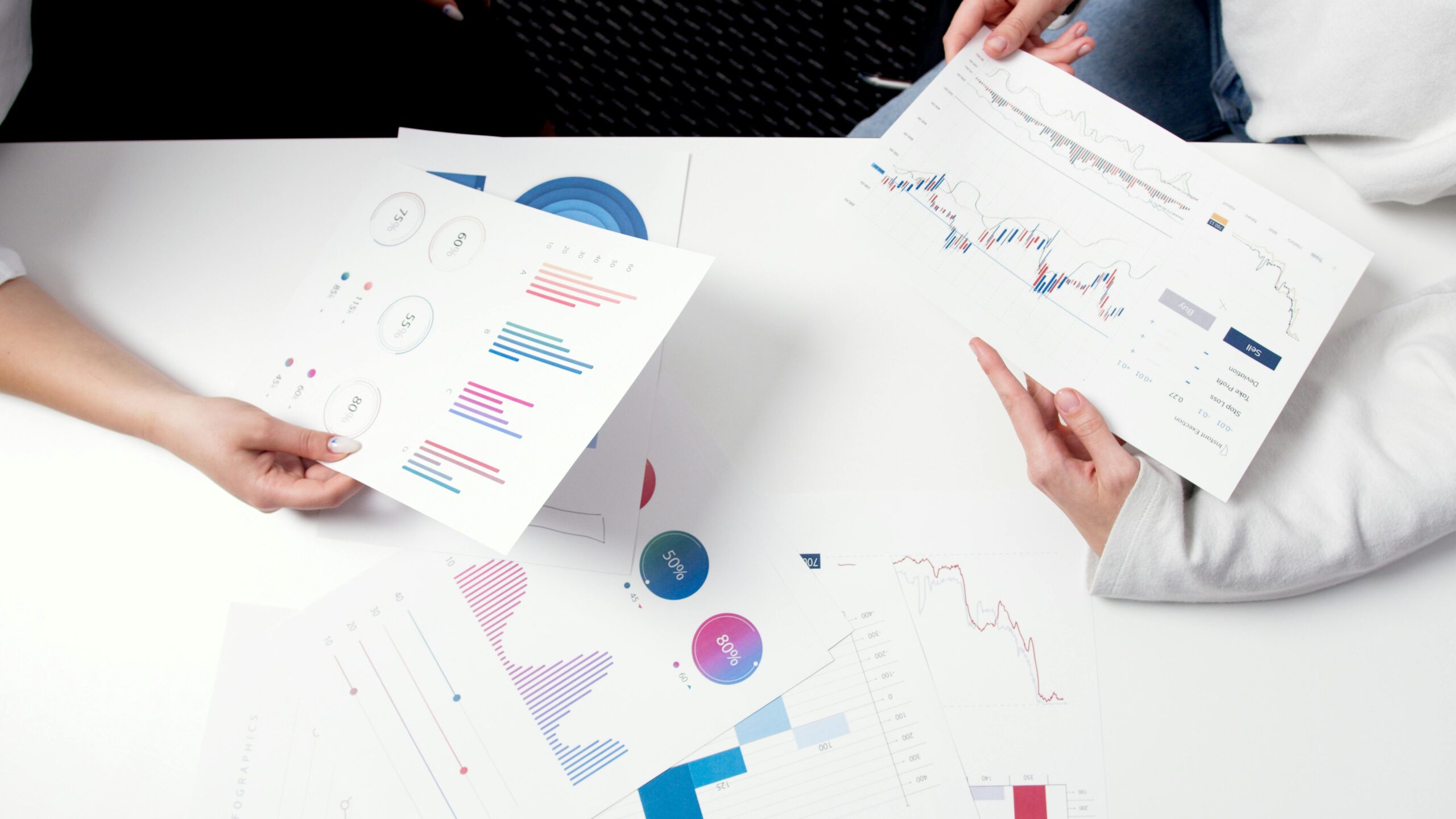
Introduction to Technical Analysis in Forex Trading


Key Takeaways
- Managing risks effectively is crucial in forex trading to protect capital and minimize losses.
- Backtesting and optimizing trading strategies can help traders identify strengths and weaknesses before risking real money.
- Understanding the psychology of trading is essential for making rational decisions and managing emotions during volatile market conditions.
- Staying informed about economic indicators can provide valuable insights into market trends and potential trading opportunities.
- Technical analysis offers advantages such as simplicity and efficiency but also has limitations like subjectivity and reliance on historical data.
- Integrating fundamental analysis with technical analysis can provide a more comprehensive view of the market and improve decision-making.
- Automation in trading through algorithms and robots can help execute trades faster and more efficiently.
- Continuous learning and improvement are key to staying competitive and adapting to changing market conditions in forex trading.
Risk Management in Forex Trading
Risk management is essential in forex trading to protect your capital from unexpected market movements. One of the key strategies in risk management is setting stop-loss orders. A stop-loss order allows you to specify the price at which your trade will automatically be closed if the market moves against you, limiting your potential loss. By setting stop-loss orders, you can control the amount you are willing to risk on each trade and prevent significant losses that could wipe out your account.
In addition to setting stop-loss orders, traders should also consider their risk tolerance and the size of their positions relative to their account size. It is recommended to risk only a small percentage of your trading capital on each trade to ensure that you can withstand a series of losses without depleting your account. By carefully managing your risk exposure and implementing proper risk management techniques, you can increase your chances of long-term success in forex trading.
Setting StopLoss Orders
Stop-loss orders are an essential tool in managing risk when trading forex. By setting a stop-loss order, traders establish a predetermined price at which their position will be automatically closed to limit potential losses. This helps traders protect their capital and adhere to proper risk management practices. Stop-loss orders can be set at various levels based on a trader’s risk tolerance, investment goals, and market conditions.
When setting stop-loss orders, it is crucial to determine an appropriate level that allows for market fluctuations while safeguarding against significant losses. Traders should carefully analyze the market dynamics, support and resistance levels, as well as factors that may impact the currency pair being traded. Setting too tight of a stop-loss order may result in being stopped out prematurely, while setting it too wide could lead to substantial losses. It is important to strike a balance that aligns with the trader’s overall trading strategy and risk management principles.
Backtesting and Optimization
Backtesting is a crucial step in the technical analysis process. It allows traders to test their trading strategies on historical data to evaluate their performance over time. By conducting backtests, traders can determine the effectiveness of their strategies and make necessary adjustments to improve their trading results. Optimization follows backtesting and involves fine-tuning the parameters of a trading strategy to enhance its performance. Traders can adjust variables such as entry and exit criteria, risk management rules, and indicators to optimize their strategies for better profitability.
Through backtesting and optimization, traders can gain valuable insights into the strengths and weaknesses of their trading strategies. By analyzing past data and optimizing their approaches, traders can work towards developing more robust and effective trading plans. This iterative process of testing, analyzing, and refining strategies is essential for traders to adapt to changing market conditions and improve their overall trading performance in the dynamic forex market.
Testing Trading Strategies
Testing trading strategies is a crucial step in the process of developing a successful forex trading plan. By backtesting historical data and analyzing how a strategy would have performed in the past, traders can gain valuable insights into its potential effectiveness. This helps in identifying strengths and weaknesses, allowing for adjustments to be made before risking real capital in the markets.
Furthermore, paper trading or demo trading can also be used to test trading strategies in real-time market conditions without risking actual money. This hands-on approach provides traders with a practical way to assess the viability of their strategies and gain confidence in executing trades based on their analysis. Continuous testing and refinement of trading strategies are essential for adapting to changing market conditions and increasing the chances of long-term success in forex trading.
Psychology of Trading
The psychology of trading plays a significant role in the success of forex traders. Emotions such as fear, greed, and overconfidence can lead to irrational decision-making, which can result in substantial losses. Traders must cultivate discipline and emotional control to stick to their trading plan and not let emotions dictate their actions.
Another aspect of the psychology of trading is overcoming cognitive biases that can cloud judgment. Confirmation bias, for example, can lead traders to seek out information that confirms their preconceived notions while ignoring contradictory evidence. By being aware of these biases and actively working to mitigate their effects, traders can make more objective and rational decisions in the forex market.
Overcoming Emotional Biases
Traders often fall victim to emotional biases when making decisions in the forex market. These biases can cloud judgment and lead to irrational trading choices. One common emotional bias is the fear of missing out, which can result in impulsive trades based on the fear of losing out on potential profits. Overcoming this bias requires discipline and adherence to a well-thought-out trading plan. Another emotional bias is the reluctance to accept losses, leading traders to hold onto losing positions in the hope that they will eventually turn a profit. It is crucial for traders to accept losses as a normal part of trading and to cut their losses quickly to prevent further damage to their trading accounts.
Moreover, overconfidence is a prevalent bias that can lead to excessive risk-taking and poor decision-making. Traders who are overconfident may neglect risk management principles and take on more risk than they can handle. To overcome this bias, traders should focus on staying humble and objective about their trading abilities. It is essential to continuously evaluate performance, learn from mistakes, and make adjustments to trading strategies accordingly. By acknowledging and addressing emotional biases, traders can make more rational decisions in the forex market and improve their overall trading performance.
Keeping up with Economic Indicators
Keeping up with economic indicators is crucial for forex traders looking to make informed decisions in the market. Economic indicators provide valuable insights into the health of a country’s economy, which in turn can impact the strength of its currency. Traders often monitor a range of indicators, such as gross domestic product (GDP) growth, employment numbers, inflation rates, and consumer confidence indexes, to gauge the overall economic performance of a country.
By staying abreast of key economic indicators, traders can adjust their trading strategies accordingly to capitalize on market movements. For example, a higher-than-expected GDP growth rate may lead to a strengthening of the country’s currency, presenting an opportunity for traders to go long on that currency pair. On the other hand, a decrease in consumer confidence may indicate a weakening economy, prompting traders to consider shorting the currency. Overall, understanding and staying informed about economic indicators is essential for successful forex trading.
Impact of Economic Data on Forex Market
Economic data plays a crucial role in the forex market, influencing currency valuations and market movements. Various economic indicators, such as GDP growth, employment rates, inflation figures, and interest rates, are closely monitored by traders and investors. Positive economic data often leads to a strengthening of the respective currency, as it signals a healthy and growing economy. Conversely, negative economic data can weaken a currency as it indicates challenges or slowdowns in the economy. Traders use economic data releases as opportunities to make informed trading decisions and adjust their positions accordingly to capitalize on market movements.
Timely and accurate interpretation of economic data is essential for forex traders to stay ahead of market trends and make strategic trading decisions. Understanding the impact of economic data releases on currency pairs helps traders anticipate potential market reactions and adjust their trading strategies accordingly. Traders often incorporate economic calendars into their trading routine to stay informed about upcoming data releases and their potential effects on the forex market. Being able to interpret economic data and its implications accurately can give traders a competitive edge in the dynamic and fast-paced world of forex trading.
| Economic Indicator | Impact on Forex Market |
|---|---|
| GDP Growth | Positive growth signals a strong economy, leading to currency appreciation. |
| Employment Rates | Low unemployment rates indicate a healthy job market and can strengthen the currency. |
| Inflation Figures | High inflation may lead to currency depreciation as purchasing power decreases. |
| Interest Rates | Rising interest rates can attract foreign investment, strengthening the currency. |
Advantages and Disadvantages of Technical Analysis
When it comes to the advantages of technical analysis in forex trading, one of the key benefits is its ability to provide traders with a clear and objective view of market trends. By examining historical price data and chart patterns, technical analysis helps traders identify potential entry and exit points for their trades. This can help traders make more informed decisions and improve their overall trading performance. Additionally, technical analysis can be a valuable tool for risk management, as it allows traders to set stop-loss orders based on key support and resistance levels.
On the other hand, one of the main disadvantages of technical analysis is that it relies solely on historical price data and chart patterns, which may not always accurately reflect changing market conditions. This can lead to false signals and incorrect trading decisions if traders rely too heavily on technical analysis alone. Another drawback is that technical analysis can be subjective, as different traders may interpret the same data in different ways. This subjectivity can lead to inconsistency in trading strategies and results.
Decisionmaking Process in Forex Trading
The decision-making process in forex trading is a critical aspect that can greatly impact the success of a trader. It involves analyzing various factors such as market trends, technical indicators, and economic news to make informed trading decisions. Traders must carefully evaluate the risk-to-reward ratio for each trade and determine an appropriate entry and exit point based on their trading strategy.
Furthermore, traders need to exercise discipline and patience when making decisions in the forex market. Emotions can cloud judgment and lead to impulsive actions that may result in losses. By sticking to a well-defined trading plan and executing decisions based on analysis rather than emotions, traders can improve their overall trading performance.
Integrating Fundamental Analysis with Technical Analysis
Fundamental analysis and technical analysis are two key methodologies used by forex traders to make informed decisions. While fundamental analysis focuses on examining economic indicators, geopolitical events, and market news to predict currency price movements, technical analysis relies on historical price data, chart patterns, and indicators to identify trends and potential entry and exit points.
Integrating fundamental analysis with technical analysis can provide traders with a more comprehensive view of the market. By combining the insights gained from both approaches, traders can make more well-rounded trading decisions. For example, understanding the impact of key economic data releases on currency pairs can help traders interpret the price movements reflected in technical charts more effectively. This integrated approach allows traders to capitalize on opportunities arising from both fundamental drivers and technical signals in the forex market.
Interpreting News Events in Forex Market
Interpreting news events in the forex market is a crucial aspect of trading that can greatly impact currency movements. Traders must stay informed about key economic indicators, political developments, and global events that can influence exchange rates. For example, major announcements such as interest rate decisions, GDP reports, and employment figures can cause significant volatility in the forex market.
Analyzing news events requires traders to not only understand the immediate impact of the announcement but also anticipate how market participants will react. Traders often incorporate a combination of fundamental and technical analysis to assess the market sentiment following news events. In some cases, news events may confirm existing trends or act as catalysts for new market movements, making it essential for traders to react promptly and effectively.
- Keeping track of major economic indicators, political developments, and global events
- Monitoring announcements like interest rate decisions, GDP reports, and employment figures
- Understanding the immediate impact of news events
- Anticipating market participants’ reactions
- Using fundamental and technical analysis to assess market sentiment
- Reacting promptly to news events that confirm or change market trends
- Adapting trading strategies based on the impact of news events on currency movements
Automation in Trading
Automation in trading has revolutionized the way traders operate in the financial markets. By utilizing algorithmic trading strategies, traders can execute trades at a much faster pace than humanly possible. These automated systems are designed to follow predetermined criteria and make decisions based on complex algorithms and mathematical models.
One of the key benefits of automation in trading is the reduction of human error. Emotions can often cloud judgment and lead to irrational decision-making, but automated systems remove the emotional aspect from trading. By strictly adhering to predefined rules, these systems can help traders stick to their strategies and avoid impulsive actions that may result in losses.
Using Algorithmic Trading Strategies
Algorithmic trading strategies have become increasingly popular in the world of forex trading due to their ability to execute trades automatically based on predefined criteria. These strategies utilize complex mathematical models and algorithms to analyze and interpret market data, allowing for faster and more efficient trading decisions. By implementing algorithmic trading strategies, traders can take advantage of opportunities in the market that may be missed by manual trading methods.
One key benefit of algorithmic trading strategies is their ability to remove human emotions from the trading process. This eliminates the impact of fear, greed, or other biases that may cloud judgment and lead to irrational trading decisions. By relying on predetermined rules and logic, algorithmic trading systems can consistently execute trades based on objective criteria, helping to enhance trading discipline and potentially improve overall trading performance.
Continuous Learning and Improvement
Continuous learning and improvement are essential in the world of forex trading. Markets evolve constantly, influenced by various factors such as economic indicators, geopolitical events, and market sentiment. Therefore, traders must stay updated with the latest developments and trends to refine their strategies and adapt to changing market conditions. This requires a commitment to ongoing education and a willingness to continuously enhance one’s knowledge and skills.
One way traders can continue to learn and improve is by staying connected with the trading community. Engaging with fellow traders, participating in forums, attending webinars, and following industry experts on social media can provide valuable insights and perspectives. Additionally, exploring new trading techniques, analyzing past trades for areas of improvement, and seeking feedback from mentors or experienced traders can help individuals refine their strategies and become more successful in the competitive forex market.
Staying Updated with Market Developments
Staying updated with market developments is crucial for forex traders aiming to stay ahead of market trends and capitalize on profitable opportunities. By staying informed about economic indicators, geopolitical events, and central bank policies, traders can make more informed decisions when executing trades. Market developments can quickly impact currency values, making it essential for traders to monitor news and updates regularly.
Moreover, staying updated with market developments allows traders to adjust their strategies based on current market conditions. Understanding how different events and news impact currency movements can help traders anticipate market reactions and adapt their trading approaches accordingly. By actively staying informed and aware of the latest market developments, traders can position themselves to make more strategic and profitable trading decisions in the ever-changing forex market.
Conclusion
In conclusion, technical analysis is a valuable tool for traders in the forex market. By analyzing historical price movements and using various indicators, traders can make informed decisions about when to enter or exit trades. It is important for traders to understand the principles of technical analysis and incorporate them into their trading strategy to improve their chances of success.
Furthermore, traders should keep in mind that technical analysis is not foolproof and does have its limitations. It is essential to combine technical analysis with other forms of analysis, such as fundamental analysis, to gain a more comprehensive view of the market. By continuously learning and improving their skills, traders can adapt to changing market conditions and enhance their ability to make profitable trades.
FAQS
What is technical analysis in forex trading?
Technical analysis in forex trading involves analyzing historical price data and using various tools and indicators to forecast future price movements.
How can risk management be applied in forex trading?
Risk management in forex trading involves setting stop-loss orders, limiting the amount of capital risked on each trade, and using proper position sizing techniques.
What is the significance of setting stop-loss orders in forex trading?
Setting stop-loss orders helps traders limit potential losses by automatically closing a trade when a predetermined price level is reached.
How can traders test their trading strategies in forex?
Traders can test their trading strategies through backtesting, which involves analyzing historical data to see how a strategy would have performed in the past.
How can traders overcome emotional biases in forex trading?
Traders can overcome emotional biases by following a trading plan, using stop-loss orders, and staying disciplined in their approach to trading.
How do economic indicators impact the forex market?
Economic indicators, such as GDP, inflation rates, and employment data, can have a significant impact on currency prices and market sentiment in the forex market.
What are some advantages and disadvantages of technical analysis in forex trading?
Advantages of technical analysis include its ability to identify trends and patterns, while disadvantages may include its reliance on historical data and potential for false signals.
How can traders integrate fundamental analysis with technical analysis in forex trading?
Traders can integrate fundamental analysis by considering economic events and news releases alongside technical indicators to make more informed trading decisions.
What is automation in trading and how is it used in forex trading?
Automation in trading involves using algorithmic trading strategies and software to execute trades automatically based on predefined criteria, eliminating human emotions from the trading process.
How can traders continuously improve and stay updated with market developments in forex trading?
Traders can continuously improve by staying informed about market news, participating in educational programs, and networking with other traders to exchange ideas and strategies.