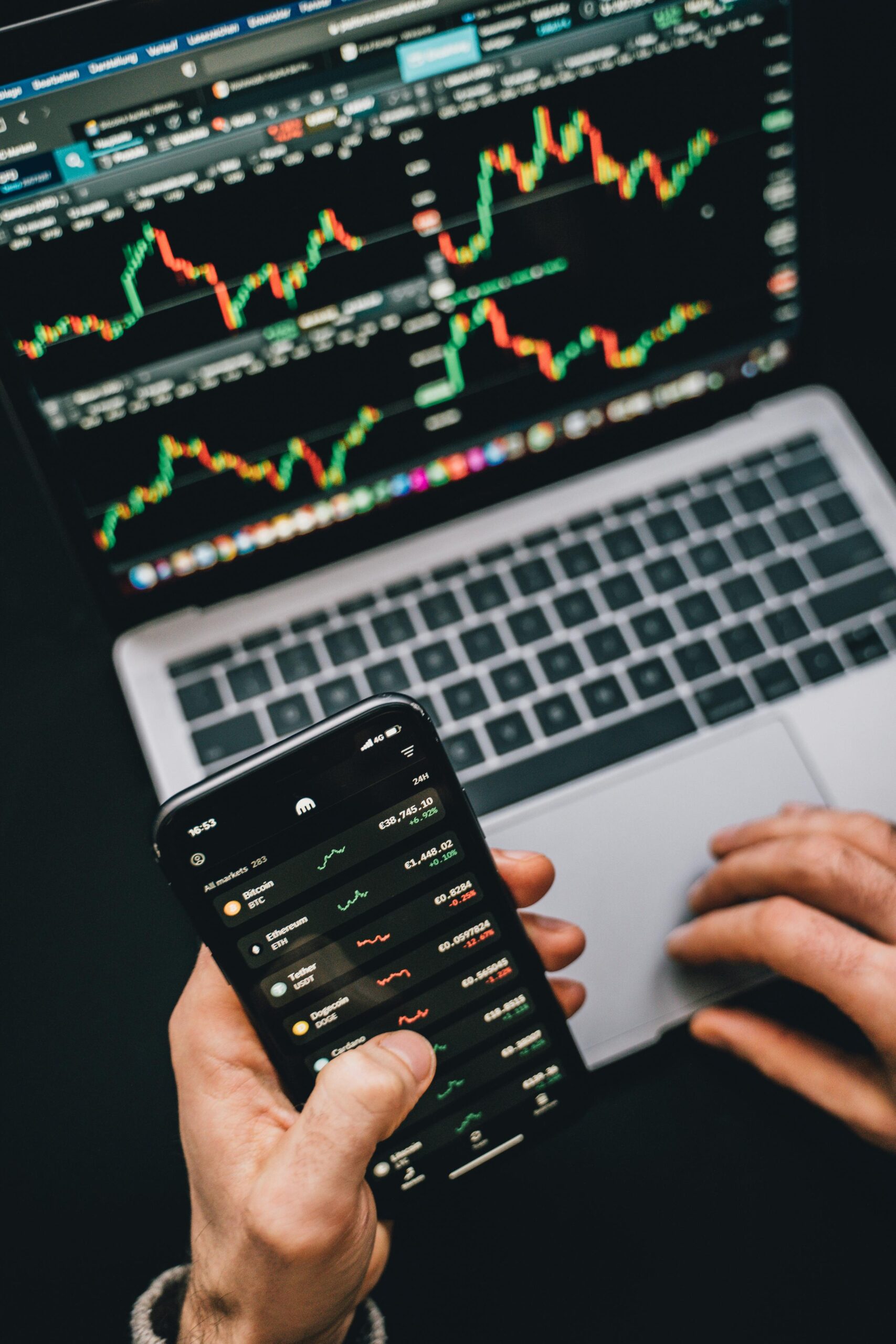
The Evolution of Algorithmic Trading and Expert Advisors


Key Takeaways
- Regulation and Compliance are crucial aspects of Algorithmic Trading to ensure ethical practices and legal requirements are met.
- Ethics play a significant role in the implementation of Algorithmic Trading strategies to maintain integrity and transparency in financial markets.
- Future trends in Algorithmic Trading include advancements in technology, machine learning, and artificial intelligence to improve trading efficiency and accuracy.
- Global adoption of Algorithmic Trading strategies is increasing, with more investors utilizing automated systems to execute trades across different markets.
- Risk management is essential in Algorithmic Trading to mitigate potential losses and protect investments from market volatility.
- Technical indicators continue to evolve in Algorithmic Trading, providing traders with more sophisticated tools to analyze market trends and make informed decisions.
- Psychological aspects of Algorithmic Trading, such as emotions and biases, can impact trading performance and should be considered in strategy development.
- Successful Algorithmic Trading models are showcased through case studies, highlighting the effectiveness of automated systems in generating profits and outperforming traditional trading methods.
Regulation and Compliance in Algorithmic Trading
Regulation and compliance play crucial roles in the world of algorithmic trading. As automated trading systems continue to proliferate in the financial markets, regulatory bodies are tasked with ensuring that these sophisticated algorithms operate within the boundaries of established laws and guidelines. The Securities and Exchange Commission (SEC) and other regulatory authorities have implemented stringent measures to monitor and regulate algorithmic trading activities to safeguard market integrity and protect investors from potential risks associated with high-frequency trading strategies.
Compliance requirements in algorithmic trading encompass a wide range of aspects, including risk management, trade surveillance, and reporting standards. Market participants are obligated to adhere to these regulations to maintain transparency and accountability in their trading activities. Failure to comply with regulatory mandates can lead to severe penalties and legal consequences, highlighting the importance of robust compliance frameworks in algorithmic trading operations. By embracing these regulatory standards, market participants can cultivate trust and confidence in the financial markets, fostering a fair and efficient trading environment for all stakeholders involved.
Navigating Legal Frameworks for Algorithmic Trading Systems
Navigating legal frameworks for algorithmic trading systems can be a complex and crucial task for financial institutions and individual traders alike. With the rise of algorithmic trading strategies, regulators around the world have been working to establish guidelines to ensure market integrity and investor protection. Key aspects that traders need to consider include licensing requirements, reporting obligations, and compliance with anti-money laundering and know-your-customer regulations. Failure to adhere to these legal frameworks can result in hefty fines and reputational damage for market participants.
Moreover, in the dynamic landscape of algorithmic trading, staying abreast of evolving regulatory requirements is essential. As regulations continue to evolve, market participants must proactively monitor changes in laws and directives that impact algorithmic trading strategies. Engaging with legal counsel specializing in financial regulations and compliance can help traders navigate the intricate legal frameworks successfully. By staying compliant with legal requirements, traders can build trust with regulators and stakeholders while minimizing the potential risks associated with non-compliance.
| Legal Consideration | Description |
|---|---|
| Licensing Requirements | Ensure compliance with licensing regulations set by financial authorities to operate algorithmic trading systems legally. |
| Reporting Obligations | Meet reporting obligations by providing accurate and timely information on algorithmic trading activities to regulatory bodies. |
| Anti-Money Laundering (AML) | Implement AML measures to prevent money laundering activities through algorithmic trading systems and comply with AML regulations. |
| Know-Your-Customer (KYC) | Adhere to KYC requirements to verify the identity of clients using algorithmic trading services and ensure compliance with KYC regulations. |
Ethics in Algorithmic Trading Practices
Ethics play a crucial role in the realm of algorithmic trading practices, as the algorithms and automated systems utilized have the potential to impact financial markets significantly. Transparency and fairness are fundamental ethical considerations that must be upheld to ensure the integrity of trading activities. Market participants and regulatory bodies alike must strive to establish and enforce ethical standards that promote trust and accountability in algorithmic trading environments.
Furthermore, ethical considerations extend to the responsible use of data and information within algorithmic trading systems. Safeguarding sensitive data and ensuring compliance with data privacy regulations are essential components of ethical trading practices. Market participants must prioritize data security measures and implement robust protocols to mitigate the risks associated with data breaches, thereby upholding ethical standards in algorithmic trading operations.
Ensuring Fairness and Transparency in the Market
In the realm of algorithmic trading, the pursuit of fairness and transparency in the market is paramount. Ensuring that all participants have equal access to information and opportunities is essential for maintaining a level playing field. By implementing measures such as real-time reporting requirements and monitoring for market manipulation, regulators can help uphold integrity in financial markets.
Transparency in algorithmic trading practices not only fosters trust among investors but also enhances market efficiency. Providing clear information on the algorithms used, trade execution processes, and risk management strategies can aid in mitigating potential conflicts of interest and unethical behavior. Ultimately, promoting fairness and transparency can contribute to a more robust and sustainable market ecosystem.
Future Trends in Algorithmic Trading
Future trends in algorithmic trading are pointing towards the exploration and integration of quantum computing into trading algorithms. Quantum computing has the potential to revolutionize the speed and efficiency of executing trades, enabling traders to process vast amounts of data at unprecedented speeds. The use of quantum computing in algorithmic trading is still in its early stages, but the promise it holds for enhancing trading strategies and decision-making processes is substantial.
Another emerging trend in algorithmic trading is the increasing global adoption of algorithmic trading strategies. As technology continues to advance and markets become more interconnected, algorithmic trading is gaining popularity across the world. This trend is reshaping the landscape of financial markets and creating new opportunities for traders to engage with a wide range of investment instruments on a global scale.
Exploring the Potential of Quantum Computing in Trading Algorithms
Quantum computing is a cutting-edge technology that has the potential to revolutionize algorithmic trading practices. The unique capabilities of quantum computers, such as superposition and entanglement, could allow for complex calculations to be done at an exponentially faster rate compared to classical computers. This speed could enable traders to analyze large amounts of data in real-time, leading to quicker decision-making and potentially more profitable trading strategies.
One of the key advantages of quantum computing in trading algorithms is its ability to handle intricate mathematical computations that are vital in predicting market movements. By leveraging quantum algorithms, traders can develop more sophisticated models that take into account a myriad of variables and generate more accurate predictions. Additionally, the use of quantum computing in algorithmic trading could lead to the development of entirely new strategies that were previously not feasible with classical computing methods.
Global Adoption of Algorithmic Trading Strategies
Global adoption of algorithmic trading strategies has been on the rise in recent years, with financial markets across the world embracing the efficiency and speed offered by automated trading systems. This shift towards algorithmic trading has been driven by advancements in technology, which have enabled traders to execute orders at a much faster pace than traditional manual methods. As a result, algorithmic trading has become a prominent feature in the modern financial landscape, revolutionizing the way market participants analyze and execute trades.
One of the key advantages of algorithmic trading strategies is their ability to operate in various market conditions and to process vast amounts of data in real-time. This has allowed traders to identify and capitalize on trading opportunities that may have been invisible to human traders. As a result, algorithmic trading has become a valuable tool for both institutional and retail traders alike, providing them with the ability to optimize their trading strategies and achieve more consistent returns in an increasingly competitive market environment.
Impact on Financial Markets Across the World
The adoption of algorithmic trading strategies has had a profound impact on financial markets worldwide. Advanced algorithms now execute trades at speeds unimaginable to human traders, leading to increased efficiency and liquidity in the markets. However, this rapid pace of trading also poses challenges for regulators in ensuring market integrity and fairness. The global adoption of algorithmic trading has not only transformed the way financial assets are traded but has also reshaped market dynamics by influencing price discovery mechanisms and trading volumes.
Moreover, algorithmic trading has facilitated greater market integration across different regions, as trading decisions are made in real-time based on a myriad of factors. This interconnectedness has led to a more synchronized movement of asset prices across global markets, amplifying the impact of external events on financial instruments. The increased use of algorithmic trading strategies has also raised concerns about systemic risks, prompting policymakers to closely monitor the potential implications on overall market stability and investor protection.
Risk Management in Algorithmic Trading
Risk management is a crucial aspect of algorithmic trading that requires careful consideration and planning. Traders employing automated strategies must be mindful of the potential risks involved in order to protect their investments and optimize their returns. One common risk in algorithmic trading is market volatility, which can lead to unexpected price movements and result in significant financial losses if not properly managed.
Implementing effective risk management strategies can help mitigate the impact of market volatility on algorithmic trading systems. Traders can utilize tools such as stop-loss orders, position sizing techniques, and diversification to limit their exposure to risk and safeguard their portfolios. By incorporating risk management protocols into their trading algorithms, market participants can increase their chances of long-term success and navigate the dynamic landscape of financial markets with confidence.
Strategies for Mitigating Risks Associated with Automated Trading
When it comes to mitigating risks associated with automated trading, there are several key strategies that traders and firms can implement to safeguard their investments. One crucial approach is to regularly monitor and evaluate the performance of trading algorithms to identify any potential issues or anomalies. By closely analyzing the outcomes of automated trades, traders can quickly detect and rectify any errors before they escalate into significant losses. Additionally, implementing robust risk management protocols, such as setting stop-loss orders and position-sizing limits, can help minimize the impact of unexpected market fluctuations on trading activities.
Furthermore, diversification is another effective risk mitigation strategy in automated trading. By spreading investments across different asset classes, sectors, and geographic regions, traders can reduce their exposure to any single market risk. Diversification helps to balance the overall risk profile of a trading portfolio and can provide a level of protection against extreme market events or unexpected developments. Incorporating dynamic risk controls that adjust in response to changing market conditions can also enhance the resilience of automated trading systems and improve overall risk management effectiveness.
Evolution of Technical Indicators in Algorithmic Trading
Evolution of technical indicators in algorithmic trading has been a pivotal aspect in the development of more sophisticated trading strategies. Traditional technical analysis tools, such as moving averages and Relative Strength Index (RSI), have been adapted and enhanced to meet the demands of algorithmic trading systems. These indicators play a crucial role in providing traders with insights into market trends, momentum, and potential entry or exit points for their trades.
Moreover, with the advancements in technology and data analysis, algorithmic trading systems now utilize a wide array of technical indicators to create complex trading models. Indicators like Bollinger Bands, MACD, and Stochastic Oscillator are commonly used to generate buy or sell signals based on mathematical calculations applied to historical price data. The evolution of technical indicators not only improves the accuracy of trading decisions but also helps traders in automating their strategies to capitalize on market opportunities swiftly and efficiently.
Adapting Traditional Analysis Tools for Algorithmic Strategies
Traditional analysis tools have long been a staple in financial markets, providing valuable insights into asset pricing trends and market behavior. When it comes to algorithmic trading, these tools can be adapted and incorporated into automated strategies to enhance decision-making processes. For instance, moving averages, relative strength index (RSI), and MACD are commonly used technical indicators that can be algorithmically programmed to generate buy or sell signals based on predefined criteria.
By integrating traditional analysis tools into algorithmic strategies, traders can leverage historical price data and market signals to make informed trading decisions in a more systematic and efficient manner. For example, utilizing the concept of support and resistance levels can help algorithmic systems identify key price points where buying or selling pressure may emerge. Moreover, oscillators like the stochastic indicator can be algorithmically optimized to determine overbought or oversold conditions, enabling traders to execute trades at more opportune moments.
Psychological Aspects of Algorithmic Trading
Understanding the psychological aspects of algorithmic trading is vital for traders and investors utilizing automated systems. While algorithms operate based on predefined rules and parameters, human emotions can still play a significant role in decision-making. Fear, greed, and overconfidence can lead to impulsive actions that contradict the logic behind algorithmic strategies. Traders must maintain discipline and control over their emotions to effectively implement and benefit from algorithmic trading systems.
Moreover, psychological biases can influence the development and optimization of trading algorithms. Confirmation bias, anchoring, and availability heuristic can skew the way traders interpret data and make decisions. It is essential for traders to be aware of these biases and actively work to mitigate their impact on algorithmic trading. By fostering a mindset of objectivity and rationality, traders can enhance the performance of their algorithms and make more informed trading decisions.
Understanding the Human Element in Automated Trading Systems
Automated trading systems have revolutionized the financial markets, but it is crucial not to overlook the human element in the equation. While algorithms and expert advisors can execute trades at lightning speed and with precision, they lack the intuition, creativity, and emotional judgment that human traders possess. The human touch plays a significant role in adapting to unforeseen market conditions, making split-second decisions based on instinct and experience, and understanding the underlying nuances that algorithms may not detect.
Moreover, human traders bring a level of accountability and responsibility to the trading process that algorithms alone cannot provide. In automated trading systems, it is humans who design, monitor, and tweak the algorithms based on changing market dynamics and feedback. They are ultimately responsible for the outcomes of their trading strategies and must exercise caution and prudence when deploying automated systems to ensure that they align with the overall objectives and risk tolerance of the firm or individual trader.
- Human traders adapt to unforeseen market conditions
- Human traders make split-second decisions based on instinct and experience
- Human traders understand underlying nuances that algorithms may miss
- They bring a level of accountability and responsibility to the trading process
- Human traders design, monitor, and tweak algorithms in automated systems
- They are ultimately responsible for the outcomes of their trading strategies
Case Studies on Successful Algorithmic Trading Models
The success of algorithmic trading models has been demonstrated through various case studies where these systems have outperformed traditional manual trading strategies. One such example is the Renaissance Technologies Medallion Fund, which has shown remarkable returns by leveraging sophisticated algorithms to identify profitable opportunities in the market. The fund’s success can be attributed to its ability to adapt to changing market conditions swiftly, utilizing data-driven insights to make informed investment decisions.
Another notable case study is the success of the Two Sigma Investments quantitative hedge fund, which has a strong track record of generating consistent returns through the use of advanced algorithms and machine learning techniques. By analyzing vast amounts of data and patterns in the market, Two Sigma has been able to identify profitable trading opportunities and manage risks effectively. These case studies highlight the significant impact that algorithmic trading models can have on investment performance when implemented correctly with a robust strategy and in-depth market analysis.
Examining RealWorld Applications of Algorithmic Trading Systems
Examining real-world applications of algorithmic trading systems provides valuable insights into how these technologies are transforming the financial landscape. One notable example is the use of algorithmic trading in high-frequency trading (HFT) firms, where complex algorithms execute trades at incredibly high speeds in response to market conditions. These systems have revolutionized trading by enabling rapid decision-making and execution, leading to increased efficiency and liquidity in the markets.
Another interesting application of algorithmic trading systems is in quantitative hedge funds, where algorithms are used to identify profitable trading opportunities based on historical data and mathematical models. These systems have proven to be highly effective in generating alpha and outperforming traditional investment strategies. By leveraging the power of data analysis and automation, these funds can capitalize on market inefficiencies and deliver superior returns for their investors.
Conclusion
In conclusion, the evolution of algorithmic trading and expert advisors has significantly transformed the landscape of financial markets. The advancement of technology has enabled traders to execute complex strategies with speed and precision, leading to increased efficiency and liquidity. As we look towards the future, it is clear that algorithmic trading will continue to play a pivotal role in shaping the way financial instruments are traded globally.
Additionally, the emphasis on regulation, ethics, risk management, and the integration of advanced technologies like quantum computing will be crucial in ensuring the sustainability and integrity of algorithmic trading practices. By staying abreast of emerging trends and developments, market participants can leverage these tools to adapt and thrive in an ever-evolving trading environment. As algorithmic trading continues to evolve, it is imperative for traders and institutions to embrace these changes to remain competitive and successful in the dynamic world of finance.
FAQS
What is algorithmic trading?
Algorithmic trading refers to the use of computer programs and algorithms to automatically execute trades in financial markets based on predefined criteria.
How are expert advisors related to algorithmic trading?
Expert advisors, also known as EAs, are automated trading systems that operate within the MetaTrader platform, executing trades based on pre-set parameters and strategies.
Why is regulation and compliance important in algorithmic trading?
Regulation and compliance are crucial in algorithmic trading to ensure transparency, fairness, and to mitigate risks associated with automated trading systems.
What are some ethical considerations in algorithmic trading practices?
Ethical considerations in algorithmic trading include issues such as market manipulation, front-running, and ensuring fairness and transparency in trading activities.
What are some future trends in algorithmic trading?
Future trends in algorithmic trading include the exploration of quantum computing in trading algorithms, advancements in artificial intelligence, and the adoption of new technologies in trading strategies.
How can risks in algorithmic trading be managed?
Risks in algorithmic trading can be managed through strategies such as diversification, risk monitoring, back-testing, and implementing proper risk management protocols.
How do psychological aspects play a role in algorithmic trading?
Psychological aspects such as human emotions, biases, and decision-making processes can impact the development and implementation of algorithmic trading systems.
Can you provide examples of successful algorithmic trading models?
Case studies on successful algorithmic trading models showcase real-world applications and demonstrate the effectiveness of automated trading strategies in financial markets.