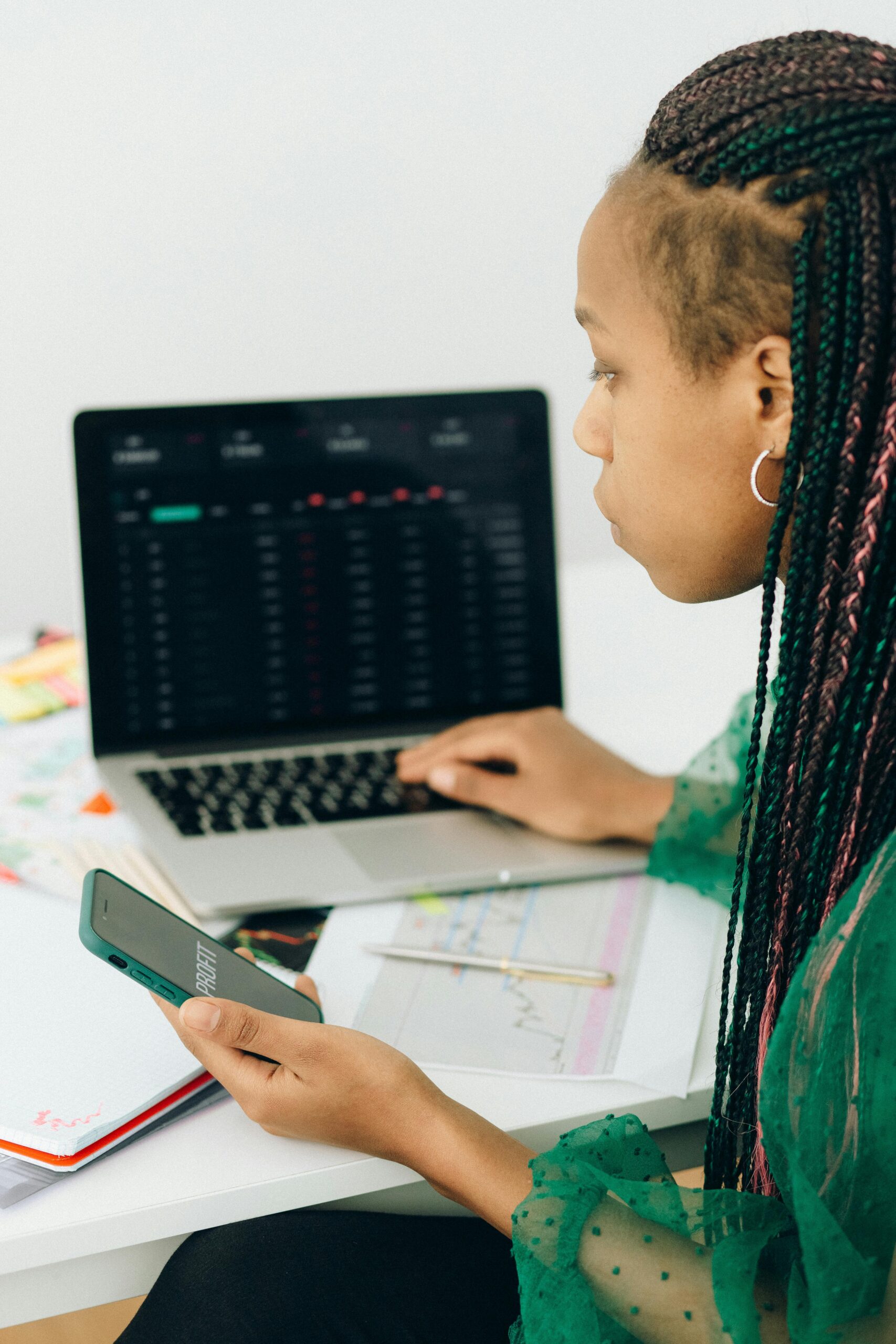
Day Trading vs. Other Forex Strategies


Key Takeaways
- Tax implications differ between day trading and long-term forex strategies, so traders should be aware of the potential consequences.
- Day traders and long-term investors need to consider regulatory factors that can impact their trading activities in the forex market.
- The use of technology has a significant influence on day trading as well as other forex strategies, affecting trading speed and efficiency.
- Educational resources play a crucial role in helping day traders and long-term forex investors enhance their trading skills and knowledge.
- Psychology plays a key role in both day trading and long-term forex strategies, influencing decision-making and risk management.
- The evolution of trading platforms has provided day traders and long-term investors with advanced tools and features to improve trading performance.
- Community support can be beneficial for day traders and long-term forex investors, offering insights and camaraderie in the trading journey.
- Upholding ethics and integrity is essential for maintaining trust and credibility in day trading and other forex strategies.
Tax Implications of Day Trading and LongTerm Forex Strategies
When it comes to trading in the forex market, understanding the tax implications of your strategies is crucial for managing your financial outcomes. Day trading and long-term investing are two common approaches with distinct tax considerations. Day traders often face higher tax rates on short-term gains compared to long-term investors who benefit from lower tax rates on gains held for over a year. IRS regulations require day traders to report each trade individually, while long-term investors may have a simpler tax reporting process by focusing on overall gains and losses within a tax year.
Furthermore, the holding period of assets significantly impacts how gains are taxed, highlighting the importance of strategic planning in forex trading. Day traders should be diligent in keeping track of their trades and understanding how each transaction affects their tax liabilities. Long-term investors, on the other hand, benefit from preferential tax treatment on capital gains held for longer periods, incentivizing a more patient approach to trading in the forex market. By being mindful of the tax implications associated with day trading and long-term strategies, forex participants can make informed decisions to optimize their financial outcomes and comply with regulatory requirements.
Understanding Taxation on ShortTerm Gains vs. LongTerm Returns
When engaging in forex trading, it is crucial to understand the tax implications of short-term gains versus long-term returns. Short-term gains, from activities such as day trading, are typically taxed at higher rates compared to long-term capital gains. The Internal Revenue Service (IRS) considers short-term gains as ordinary income, subject to ordinary income tax rates, which can range from 10% to 37% based on your overall taxable income. On the other hand, long-term capital gains from holding investments for over a year are taxed at more favorable rates, ranging from 0% to 20%, depending on your income bracket.
It is essential for forex traders to carefully plan their trading strategies to optimize tax efficiency. By understanding the distinctions between short-term gains and long-term returns, traders can make informed decisions on the timing of their trades to minimize tax liabilities. Seeking advice from a tax professional or financial advisor can provide valuable insights on structuring trades to align with your financial goals while considering the tax implications effectively.
| Gain Type | Tax Rate |
|---|---|
| Short-Term Gains | 10% – 37% |
| Long-Term Capital Gains | 0% – 20% |
Regulatory Considerations for Day Traders and LongTerm Investors
Regulatory considerations play a crucial role for both day traders and long-term investors in the forex market. It is essential for traders to stay informed about the regulatory requirements imposed by governing bodies to ensure compliance and avoid any potential legal issues. Day traders, in particular, need to be attentive to regulations that may impact their high-frequency trading activities, as these can have significant implications on their trading strategies and overall profitability.
On the other hand, long-term investors should also pay close attention to regulatory changes that could affect their investment decisions and market participation. Understanding the regulatory landscape can help investors navigate potential risks and uncertainties, providing them with a solid foundation for making informed choices. By staying vigilant and proactive in monitoring regulatory developments, both day traders and long-term investors can uphold the integrity of their trading activities and safeguard their interests in the dynamic forex market.
Compliance Requirements for Active Traders in the Forex Market
Compliance requirements play a significant role in the daily operations of active traders in the forex market. These regulations are put in place to ensure that traders adhere to legal standards and maintain market integrity. Active traders need to be aware of these requirements and actively work towards remaining compliant to avoid any legal repercussions. Failure to comply with regulatory standards can lead to severe penalties, including fines and even suspension from trading activities.
Brokerage firms also have their own set of compliance requirements that traders must follow. It is crucial for active traders to understand and adhere to the rules set forth by their brokers to maintain a smooth trading experience. By staying informed and compliant with both industry-wide regulations and brokerage-specific requirements, traders can operate confidently and mitigate risks associated with non-compliance. Regular monitoring and updating of compliance procedures are essential to ensure that traders are always up-to-date with the latest regulatory changes in the forex market.
Impact of Technology on Day Trading and Other Forex Strategies
Technology plays a crucial role in facilitating both day trading and other forex strategies. With the advancement of trading platforms and tools, traders now have access to real-time market data, charts, and analysis at their fingertips. This instant information allows traders to make more informed decisions quickly, leading to potentially better trading outcomes. Additionally, automation has become increasingly prevalent in the forex market, offering traders the ability to execute trades automatically based on predefined criteria.
Furthermore, the evolution of mobile trading apps has revolutionized the way traders engage with the forex market. These apps provide traders with the flexibility to monitor their positions, place trades, and manage their portfolios on the go. This accessibility has democratized trading, allowing individuals from all walks of life to participate in the forex market with ease. As technology continues to advance, traders can expect even more innovative tools and features to enhance their trading experience and potentially increase their profitability.
Utilizing Automation in Day Trading vs. Traditional Trading Methods
Utilizing automation in day trading has become increasingly popular in recent years, as advancements in technology have allowed for the development of sophisticated trading algorithms. These automated systems can execute trades based on pre-set criteria, such as price movements or technical indicators, without the need for manual intervention. This can provide traders with the advantage of executing trades at high speeds and with precision, minimizing the impact of human emotions on decision-making processes.
In contrast, traditional trading methods typically involve manual analysis of market conditions, decision-making, and trade execution. While some traders prefer the hands-on approach of traditional trading, automation can offer benefits such as the ability to backtest strategies quickly and efficiently, as well as the capacity to monitor multiple markets simultaneously. However, it is essential for traders to understand the risks associated with automated trading systems, including the potential for technical failures or programming errors that could lead to significant losses.
Educational Resources for Day Traders and LongTerm Forex Investors
Educational resources play a crucial role in enhancing the knowledge and skills of both day traders and long-term forex investors. Various online platforms offer comprehensive courses on technical analysis, fundamental analysis, risk management, and trading psychology. These resources provide valuable insights into the dynamics of the forex market, helping traders make informed decisions and develop effective trading strategies.
Additionally, investing in educational programs such as webinars, workshops, and online seminars can significantly benefit individuals looking to improve their trading performance. These resources not only offer theoretical knowledge but also provide practical tips and real-time market scenarios to help traders navigate the complexities of the forex market with confidence. Continuous learning and self-improvement are essential for traders to stay ahead of the curve and adapt to the ever-changing landscape of the financial markets.
Enhancing Skills Through Training and Education Programs
Enhancing skills through training and education programs is crucial for both day traders and long-term forex investors. These programs offer valuable insights, tips, and strategies that can help individuals navigate the complex world of trading more effectively. By investing time and effort into learning from experienced professionals, traders can improve their decision-making processes and increase their chances of success in the forex market.
Training and education programs cover a wide range of topics, including technical analysis, fundamental analysis, risk management, and trading psychology. Participants can gain a deeper understanding of market trends, economic indicators, and trading patterns through these programs. Moreover, by honing their skills through continuous education, traders can adapt to the evolving landscape of the forex market and stay ahead of the competition.
Role of Psychology in Day Trading and LongTerm Forex Strategies
Psychology plays a crucial role in the realm of day trading and long-term forex strategies. The mindset and behavior of traders often determine their success in navigating the volatile forex market. Emotions such as fear, greed, and overconfidence can lead to impulsive decision-making, resulting in significant losses. Traders are constantly challenged to maintain discipline, manage risk effectively, and stay objective amidst market fluctuations. Understanding one’s psychological biases and developing emotional intelligence are essential skills for traders aiming to achieve consistent profitability.
Moreover, psychological factors influence how traders interpret market information and perceive risks. Cognitive biases, such as confirmation bias and anchoring, can distort traders’ judgment and lead to biased decision-making. By cultivating self-awareness and practicing mindfulness, traders can enhance their decision-making process and minimize the impact of cognitive biases. Embracing a rational and disciplined approach to trading helps traders stay focused on their trading goals and adapt to changing market conditions with resilience.
Managing Emotions and Behavioral Biases in Trading Activities
Managing emotions and behavioral biases in trading activities is a critical aspect of success in the forex market. Emotions such as fear, greed, and impatience can cloud judgment and lead to poor decision-making. Traders must develop self-awareness to recognize when these emotions are influencing their actions and learn to control them effectively. By staying disciplined and sticking to a well-thought-out trading plan, traders can overcome emotional impulses and avoid making costly mistakes.
Additionally, understanding common behavioral biases is essential for traders to mitigate their impact on trading outcomes. Biases such as confirmation bias, overconfidence, and herd mentality can distort market perceptions and lead to irrational trading behavior. By actively working to identify and counteract these biases, traders can make more objective decisions based on facts and analysis rather than emotions or popular sentiment. Developing a rational mindset and being mindful of these biases can help traders maintain a balanced and strategic approach to their trading activities.
Evolution of Trading Platforms for Day Traders and LongTerm Investors
Trading platforms have undergone significant evolution to cater to the needs of day traders and long-term investors in the forex market. These platforms have become more user-friendly, offering advanced features and functionalities to enhance trading efficiency and overall experience. With the advent of technology, traders now have access to cutting-edge platforms that provide real-time data, in-depth analysis tools, and seamless trade execution capabilities.
Moreover, the evolution of trading platforms has also led to the integration of mobile trading apps, allowing traders to stay connected to the market and manage their trades on the go. These mobile platforms offer flexibility and convenience, enabling traders to react swiftly to market changes and execute trades at any time from their smartphones or tablets. As trading platforms continue to advance, traders can expect even more sophisticated features and tailored solutions to meet their specific trading requirements.
Exploring UserFriendly Platforms for Efficient Trading
When selecting a trading platform for forex activities, efficiency and user-friendliness are paramount. User-friendly platforms streamline the trading process, making it easier for traders to execute trades quickly and accurately. These platforms often feature intuitive interfaces and customizable layouts that cater to individual trading preferences. Efficiency in trading is crucial, as timely execution of trades can significantly impact profit margins in the forex market. Hence, traders must opt for platforms that allow swift navigation and seamless order placement to capitalize on market opportunities.
Moreover, efficient trading platforms offer robust technical tools and real-time data analysis capabilities that aid traders in making informed decisions. Advanced charting options, technical indicators, and market insights are essential components of a user-friendly platform that helps traders analyze market trends and identify potential entry and exit points. By utilizing platforms with such features, traders can enhance their trading strategies and stay ahead of market movements. Consequently, selecting a user-friendly platform that prioritizes efficiency can be a game-changer for traders looking to optimize their forex trading experience.
Community Support for Day Traders and LongTerm Forex Investors
Engaging with a community of like-minded traders can be highly beneficial for both day traders and long-term investors in the forex market. Building connections with others who share a passion for trading can provide valuable insights, different perspectives, and support during various market conditions. Through active participation in trading communities, individuals can broaden their knowledge, stay updated on market trends, and exchange strategies to enhance their trading skills.
Networking with other traders also offers the opportunity to discuss challenges, seek advice, and learn from the experiences of peers. By interacting with a diverse group of individuals with varying levels of expertise, traders can gain valuable tips on risk management, market analysis, and decision-making processes. Moreover, being part of a supportive trading community can help traders stay motivated, disciplined, and focused on their trading goals, fostering a sense of camaraderie and shared dedication to success in the forex market.
Engaging with LikeMinded Traders for Knowledge Sharing and Networking
Engaging with like-minded traders is a valuable aspect of the forex market. Joining trading communities and networking with fellow traders can provide insights, strategies, and support that can enhance one’s trading experience. Sharing knowledge and experiences with others in the same field can offer different perspectives and help traders stay informed about market trends and developments.
Networking with like-minded traders can also create a sense of camaraderie and motivation in an often solitary activity. Building relationships with peers who understand the challenges and victories of trading can offer a support system that can be crucial during tough times. Whether it’s discussing trading strategies, sharing tips on risk management, or simply discussing market news, engaging with a community of traders can enrich one’s trading journey and contribute to long-term success.
Ethics and Integrity in Day Trading and Other Forex Strategies
Ethics and integrity play a crucial role in the realm of day trading and other forex strategies. Traders are expected to uphold high ethical standards in their conduct to maintain the integrity of the financial markets. Engaging in fair practices and promoting transparency not only builds trust among investors but also contributes to a more stable and reliable trading environment. It is imperative for traders to adhere to ethical guidelines and regulations set forth by governing bodies to ensure the integrity of their actions and decisions.
Moreover, maintaining integrity in trading activities goes beyond compliance with regulations; it also encompasses honesty and fairness in dealings with clients, brokers, and other market participants. Traders must prioritize ethical behavior, such as avoiding insider trading, market manipulation, or any form of deceptive practices that could harm the market’s integrity. Upholding ethical standards not only safeguards one’s reputation in the industry but also fosters a culture of trust and credibility that is essential for the long-term sustainability of the forex market.
Promoting Fair Practices and Transparency in the Trading Industry
Promoting fair practices and transparency in the trading industry is crucial for maintaining trust and integrity among market participants. By adhering to ethical standards and ensuring transparency in all transactions, traders can uphold a level playing field and foster a sense of credibility in the market. This not only benefits individual traders but also the overall financial system by promoting stability and reducing the likelihood of malpractices.
In addition to following regulations and ethical guidelines, traders can further promote fair practices by actively engaging in knowledge sharing and building a supportive trading community. By exchanging information, insights, and experiences with fellow traders, individuals can collectively work towards a more transparent and ethical trading environment. This collaborative effort not only enhances the learning experience but also cultivates a culture of integrity and mutual respect within the trading community.
- Conduct regular audits of trading activities to ensure compliance with regulations and ethical standards
- Disclose all relevant information to clients and stakeholders to promote transparency
- Participate in industry events and seminars to stay updated on emerging trends and best practices in trading
- Support initiatives that aim to improve transparency and fairness in the trading industry
- Educate oneself and others about the importance of fair practices and transparency in trading
- Report any suspicious activities or unethical behavior to relevant authorities for investigation and action
Conclusion
In conclusion, the decision between day trading and long-term forex strategies ultimately depends on individual preferences, risk tolerance, and financial goals. Day trading offers the potential for quick profits but requires a high level of active involvement and market monitoring, while long-term strategies may suit those seeking a more passive approach with a focus on sustained growth over time. Both approaches come with their own set of challenges and opportunities, so it’s essential for traders to carefully consider their personal circumstances before deciding on a trading style.
Regardless of the chosen strategy, successful forex trading requires discipline, continuous learning, risk management, and adaptability to market conditions. Traders should strive to stay informed about market trends, utilize appropriate tools and resources, and seek out opportunities for skill development. By maintaining a strong foundation of knowledge and practice, traders can enhance their chances of achieving their financial objectives in the dynamic world of forex trading.
FAQS
What is day trading in the forex market?
Day trading refers to the practice of buying and selling financial instruments within the same trading day. In the forex market, day traders aim to profit from short-term price movements by taking advantage of leverage and high trading volumes.
How does day trading differ from long-term forex strategies?
Day trading involves making multiple trades in a single day to capitalize on small price fluctuations, while long-term forex strategies focus on holding positions for days, weeks, or even months to benefit from larger market trends.
What are the tax implications of day trading versus long-term forex strategies?
Day trading profits are typically subject to short-term capital gains tax rates, which are higher than long-term capital gains tax rates applied to profits from holding investments for over a year. It is important for traders to understand the tax consequences of their trading activities.
What role does psychology play in day trading and long-term forex strategies?
Psychology plays a crucial role in both day trading and long-term forex strategies. Traders need to manage emotions like fear and greed, overcome cognitive biases, and maintain discipline to make rational trading decisions and avoid impulsive actions that can lead to losses.
How can traders enhance their skills in day trading and long-term forex investing?
Traders can enhance their skills through continuous education, training programs, and practice. Utilizing demo accounts, attending workshops, reading relevant books, and staying updated on market trends can help traders improve their trading strategies and decision-making processes.