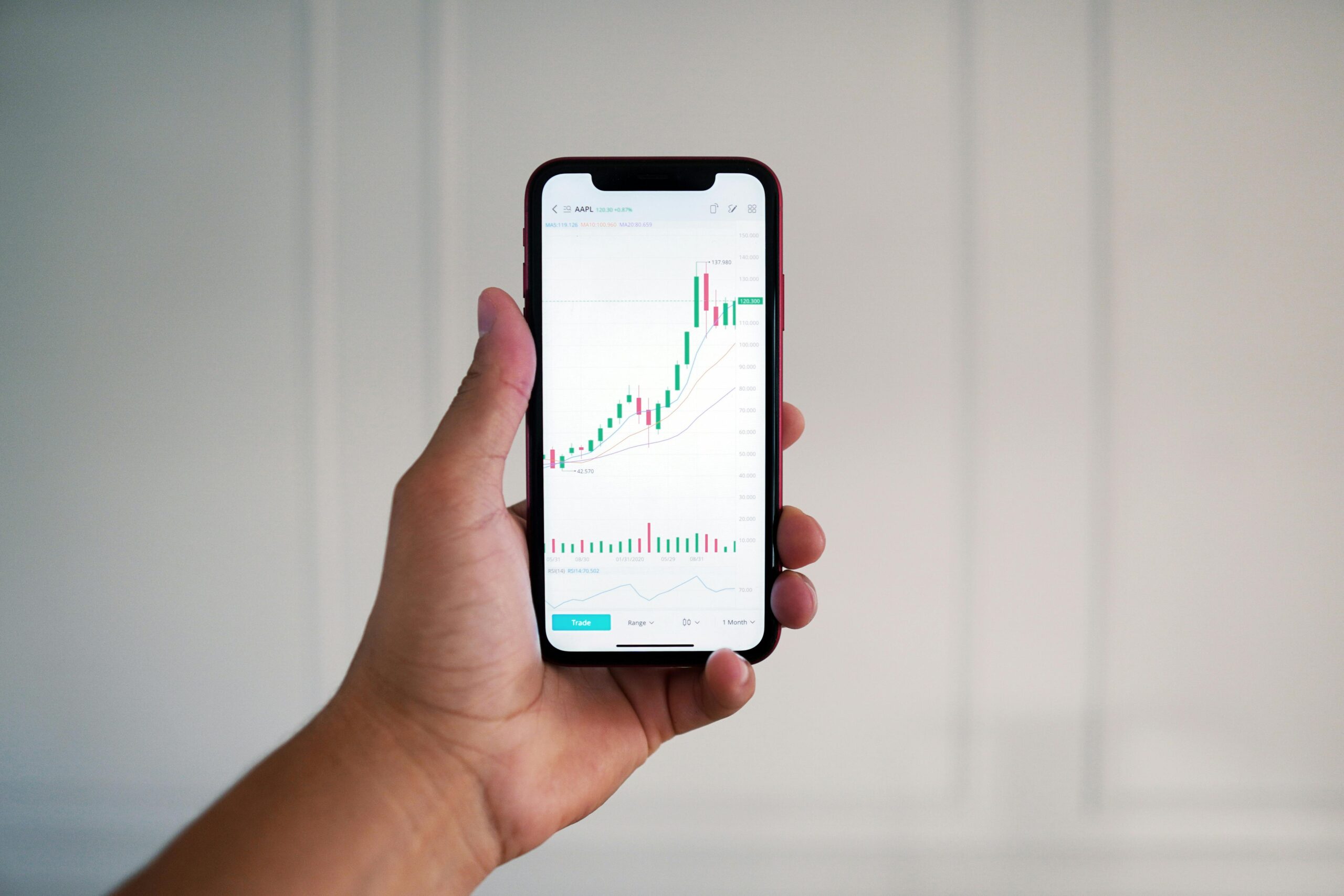
5 Common Mistakes in Day Trading Strategy


Key Takeaways
- Inadequate Risk Management is a common mistake in day trading strategy, which can lead to significant losses if not properly addressed.
- Failure to consider Market Trends can result in missed opportunities and poor trading decisions in day trading strategy.
- Emotional Trading can cloud judgment and lead to impulsive decisions that may harm day trading performance.
- Neglecting Fundamental Analysis can leave traders uninformed about the underlying factors that drive stock prices in day trading strategy.
- Poor Trade Execution can prevent traders from maximizing profits and executing trades efficiently in day trading strategy.
Lack of Proper Risk Management
Proper risk management is crucial in day trading to protect capital and minimize losses. One common mistake many traders make is failing to set stop-loss orders or adhering to predetermined risk-reward ratios. Without these safeguards in place, traders expose themselves to the risk of significant financial losses in volatile markets. Additionally, overlooking the importance of diversification can lead to overexposure to specific assets or sectors, amplifying risk levels.
Risk management also involves having a clear understanding of position sizing and leveraging. Overleveraging positions can magnify gains but also increase the potential for substantial losses. It is essential for traders to strike a balance between risk and reward, ensuring that each trade’s potential losses are manageable within their overall portfolio. By neglecting proper risk management strategies, traders are more susceptible to emotional decision-making and impulsive actions, ultimately undermining their long-term trading success.
Overleveraging Positions
Overleveraging positions is a common mistake that many day traders make, often in pursuit of higher profits. By using too much leverage, traders expose themselves to significant risks that can quickly wipe out their trading accounts. While leverage can amplify gains, it can also magnify losses, leading to devastating outcomes.
It is crucial for day traders to exercise caution when it comes to leverage and manage their positions prudently. Instead of chasing high leverage for potentially larger returns, traders should focus on preserving capital and minimizing risk exposure. By adopting a more conservative approach to leverage, traders can safeguard themselves against significant drawdowns and maintain a more sustainable trading strategy.
Ignoring Market Trends
Ignoring market trends is a critical mistake that many day traders make. Failing to follow the overall direction of the market can lead to missed opportunities and potential losses. Market trends provide valuable insight into the sentiment and behavior of traders, allowing investors to make more informed decisions.
By disregarding market trends, traders risk going against the prevailing momentum, which can result in being on the wrong side of the trade. It is essential for day traders to pay close attention to whether the market is trending upwards, downwards, or moving sideways. Adapting one’s strategy to align with these trends can greatly increase the likelihood of successful trades and overall profitability.
Failing to Recognize Momentum Shifts
One critical mistake that day traders often make is failing to recognize momentum shifts in the market. Momentum is a key indicator of the direction and strength of a stock or asset’s price movement. Ignoring or misinterpreting these shifts can lead to missed opportunities or potential losses. Traders who overlook momentum shifts may find themselves either entering trades too late or holding onto losing positions for too long.
By failing to recognize momentum shifts, traders risk getting caught on the wrong side of a trade. This can result in significant losses as prices move against their positions. Understanding how momentum is building or fading can help traders make more informed decisions about when to enter or exit trades. Keeping a close eye on momentum indicators and patterns can provide valuable insights that can improve trading strategies and outcomes.
Emotional Trading
Emotional trading is a common pitfall that many day traders fall into. Making decisions based on fear and greed can lead to impulsive trades that are not based on solid analysis or strategy. When emotions drive trading decisions, it can result in significant losses and missed opportunities for profit.
Letting fear and greed dictate your trading decisions can lead to a cycle of chasing losses and trying to recover from bad trades. It is important to approach trading with a clear and rational mindset, focusing on the fundamentals and following a well-thought-out strategy. By keeping emotions in check and sticking to your trading plan, you can avoid the pitfalls of emotional trading and improve your overall success in day trading.
Letting Fear and Greed Drive Decisions
When fear and greed start to dictate your trading decisions, it can be a recipe for disaster. Fear can lead to hesitation or panic selling, causing you to miss out on potential profits or incur unnecessary losses. On the other hand, greed may push you to take on excessive risks in pursuit of higher returns, ultimately leading to poor decision-making and unsustainable trading practices.
Allowing emotions like fear and greed to drive your trading decisions can cloud your judgment and prevent you from making rational choices based on market analysis and your trading strategy. It’s important to maintain a disciplined approach and stick to your predetermined risk management rules to avoid falling victim to the pitfalls of emotional trading. By acknowledging and controlling these emotions, you can become a more consistent and successful day trader in the long run.
Neglecting Fundamental Analysis
Neglecting fundamental analysis is a common mistake that many day traders make, often driven by a desire for quick profits or a lack of understanding of its importance. Fundamental analysis involves evaluating a company’s financial health, industry trends, and macroeconomic factors that can impact stock prices. By overlooking this crucial aspect of trading, day traders may miss out on valuable insights that could help them make more informed decisions and potentially avoid significant losses.
Understanding the fundamentals behind a stock’s price movement can provide traders with a more comprehensive view of the market and help them identify trends that technical analysis alone may not reveal. Ignoring fundamental analysis can lead traders to make decisions based solely on short-term price fluctuations or rumors, rather than considering the underlying value of the asset. By incorporating fundamental analysis into their trading strategy, day traders can gain a deeper understanding of the market dynamics and make more strategic decisions that align with their overall investment goals.
Disregarding Key Economic Indicators
Disregarding key economic indicators is a common mistake made by day traders that can significantly impact their trading strategy. Economic indicators provide valuable insights into the overall health of the economy, which can influence the performance of various asset classes. By overlooking these indicators, traders may fail to anticipate market movements and make informed decisions based on the broader economic landscape.
Key economic indicators include factors such as employment data, inflation rates, consumer spending, and GDP growth, among others. Ignoring these indicators can lead to missed opportunities or unexpected losses, as traders may not have a complete picture of the factors driving market fluctuations. To improve their day trading strategy, traders should consider incorporating economic indicators into their analysis to better understand the underlying forces shaping market movements.
| Indicator | Significance |
|---|---|
| Employment Data | Reflects the labor market conditions and consumer sentiment. |
| Inflation Rates | Indicates the purchasing power of consumers and potential interest rate changes. |
| Consumer Spending | Shows the level of confidence and economic activity in the market. |
| GDP Growth | Represents the overall economic health and growth trajectory of a country. |
Poor Trade Execution
Poor trade execution is a common mistake that many day traders encounter. Failing to properly execute trades can lead to missed opportunities and subpar results. One of the key aspects of trade execution is timing – entering and exiting positions at the right moments can make a significant difference in the overall profitability of a trading strategy. Traders who struggle with trade execution may find themselves entering trades too late or exiting too early, resulting in smaller profits or larger losses than anticipated.
In addition to timing, the ability to effectively manage trade orders is crucial for successful day trading. This includes setting and adjusting stop-loss orders, taking profits at appropriate levels, and managing multiple positions simultaneously. Poor trade execution can also stem from a lack of discipline and adherence to predefined trading plans. Emotions such as fear, greed, or impatience can cloud judgment and lead to impulsive decision-making, ultimately hindering trade execution. Traders who aim to improve their day trading strategy should focus on honing their trade execution skills to optimize their trading performance.
Missing Entry and Exit Points
When day trading, one of the biggest mistakes traders make is failing to establish clear entry and exit points for their trades. Without a well-defined plan for when to enter and exit a position, traders may find themselves caught in emotional decision-making or holding onto losing trades for too long. Setting specific entry and exit points based on technical analysis or other indicators can help traders stay disciplined and objective in their trading approach.
Missing entry and exit points can lead to missed profit opportunities or increased losses. Traders who enter trades without a clear plan may panic and sell prematurely when facing small fluctuations in price, missing out on potential gains if they had waited a bit longer. On the flip side, without predetermined exit points, traders might hold onto losing positions hoping for a turnaround, only to see their losses mount as the trade moves against them. Establishing entry and exit points based on risk tolerance, profit targets, and market conditions can help traders make more informed and strategic decisions in their day trading activities.
Lack of Diversification
Another common mistake in day trading strategy is the lack of diversification. This occurs when traders put all their capital into a single stock or asset, exposing themselves to unnecessary risks. By not spreading out investments across different securities, traders are more vulnerable to sharp price movements that can significantly impact their overall portfolio.
Diversification is key to reducing risk and protecting capital in day trading. By spreading investments across various assets, traders can potentially mitigate losses stemming from poor performance of a single asset. It also enables traders to take advantage of opportunities in different sectors or industries, diversifying their risk exposure and increasing the likelihood of overall portfolio success.
Putting All Eggs in One Basket
Neglecting diversification in day trading can be a risky move that leaves traders vulnerable to significant losses. Putting all eggs in one basket means concentrating all trading capital in just one or two positions, which can amplify the impact of a single bad trade. By spreading investments across different assets or sectors, traders can help mitigate potential losses and protect their overall portfolio from the negative impact of a single unpredictable event. Diversification helps to balance risk and reward, reducing the overall volatility of a trading strategy and increasing the chances of long-term success in the market.
Traders who fail to diversify their investments may find themselves in a precarious position if the market turns against their chosen asset or sector. Without spreading their risk across multiple positions, they are more exposed to sudden market shifts or unexpected events that can lead to significant losses. By considering a more balanced approach to trading and avoiding putting all eggs in one basket, traders can improve their chances of navigating the uncertainties of the market and achieving more sustainable long-term results.
Not Using StopLoss Orders
When day trading, not using stop-loss orders can be a critical mistake that many traders make. Stop-loss orders help traders limit their potential losses by automatically selling a stock when it reaches a predetermined price. By not implementing stop-loss orders, traders expose themselves to the risk of significant losses if a trade moves against them. This lack of precaution can lead to emotional decision-making, as traders may hold onto losing positions in the hope that the market will turn in their favor.
Moreover, not using stop-loss orders can also result in traders losing more money than they initially intended. Without a predefined exit point, traders may find themselves in a position where their losses far exceed their initial risk tolerance. This can have a detrimental impact on their overall trading capital and hinder their ability to participate in future profitable opportunities. Therefore, incorporating stop-loss orders into a trading strategy can help traders mitigate risks and protect their investment portfolios.
Exposing Capital to Unnecessary Risks
Exposing capital to unnecessary risks is a common mistake that many day traders make, often leading to significant losses. By failing to implement proper risk management techniques, traders leave their investments vulnerable to unexpected market fluctuations. This lack of caution can result in a quick depletion of capital, undermining the potential for long-term success in trading.
Day traders who expose their capital to unnecessary risks often overlook the importance of setting stop-loss orders. These orders act as a safety net, protecting traders from substantial losses in volatile trading conditions. Without implementing stop-loss orders, traders risk losing large amounts of capital in a single trade, jeopardizing their overall profitability and sustainability in the market.
- Avoiding diversification of investments increases exposure to risks
- Ignoring market research and analysis can lead to uninformed decisions
- Over-leveraging trades amplifies the impact of potential losses
- Neglecting to monitor trades regularly can result in missed opportunities to minimize risks
- Disregarding risk-reward ratios may lead to disproportionate losses to gains
Chasing Losses
Chasing losses is a common pitfall that many day traders fall into. When traders try to recover from previous bad trades by increasing their position sizes or taking on higher risks, they often dig themselves deeper into a hole. This reactionary behavior can lead to emotional decision-making and clouded judgment, ultimately exacerbating losses rather than mitigating them.
Instead of chasing losses, successful day traders understand the importance of staying disciplined and sticking to their trading strategies. They know that trying to make up for past losses through impulsive actions can be detrimental to their overall trading performance. By focusing on risk management, maintaining a rational mindset, and following a well-thought-out plan, traders can avoid the trap of chasing losses and work towards achieving long-term success in the market.
Trying to Recover From Previous Bad Trades
Trying to recover from previous bad trades is a common mistake that many day traders make. After experiencing losses, some traders may feel the urge to increase their trading activity or risk levels in an attempt to make up for their losses quickly. This behavior often leads to further losses as traders take on more risk without a solid strategy in place.
Instead of trying to recover from previous bad trades by doubling down on risky bets, traders should take a step back and reassess their trading strategy. It’s crucial to analyze what went wrong in the previous trades, identify any patterns or mistakes, and learn from those experiences. By taking a more strategic and disciplined approach, traders can avoid falling into the trap of trying to chase losses and gradually rebuild their trading capital through informed decision-making.
Conclusion
In conclusion, day trading can be a challenging endeavor, especially for those who are prone to making common mistakes in their trading strategies. It is essential for traders to prioritize proper risk management, avoid overleveraging positions, and stay vigilant of market trends and momentum shifts. Emotional trading, such as letting fear and greed dictate decisions, can lead to detrimental outcomes and hinder overall success in day trading. Neglecting fundamental analysis, executing trades poorly, and lacking diversification are all pitfalls that traders should strive to avoid in order to maximize their chances of success in the dynamic world of day trading.
Furthermore, utilizing stop-loss orders, refraining from chasing losses, and focusing on rational decision-making rather than emotional impulses are crucial aspects of a sound day trading strategy. By recognizing and correcting these common mistakes, traders can improve their overall performance and increase their likelihood of achieving sustainable profitability in the competitive day trading environment. It is important for traders to continuously educate themselves, adapt to changing market conditions, and refine their strategies to navigate the complexities of day trading successfully.
FAQS
What is one common mistake in day trading strategy related to risk management?
Lack of proper risk management is a common mistake in day trading strategy where traders fail to set stop-loss orders or manage their risk exposure effectively.
How can overleveraging positions impact day trading strategy?
Overleveraging positions in day trading strategy can lead to significant losses as traders amplify their risk exposure beyond what they can afford, resulting in potential financial ruin.
Why is it important to pay attention to market trends in day trading strategy?
Ignoring market trends in day trading strategy can result in missed opportunities or trading against the prevailing market direction, leading to poor trading outcomes.
What is a key aspect of day trading strategy related to recognizing momentum shifts?
Failing to recognize momentum shifts in day trading strategy can lead to traders holding onto losing positions or missing out on profitable opportunities as market dynamics change.
How can emotional trading impact day trading strategy?
Emotional trading in day trading strategy, driven by fear and greed, can lead to impulsive decision-making, deviating from the trading plan, and ultimately resulting in poor trading outcomes.
Why should day traders not neglect fundamental analysis in their trading strategy?
Neglecting fundamental analysis in day trading strategy can lead to uninformed trading decisions, overlooking key economic indicators that can impact the market and trading positions.
What can happen if day traders fail to execute trades properly?
Poor trade execution in day trading strategy, such as missing entry and exit points, can result in missed opportunities for profits or increased losses due to trading inefficiencies.
How does lack of diversification in day trading strategy pose a risk to traders?
Putting all eggs in one basket by not diversifying in day trading strategy can expose traders to heightened risks, as a single adverse event can have a significant impact on their trading capital.
Why is it important for day traders to use stop-loss orders?
Not using stop-loss orders in day trading strategy exposes capital to unnecessary risks, as it fails to protect traders from significant losses in volatile market conditions.
What is the danger of chasing losses in day trading strategy?
Chasing losses in day trading strategy, by trying to recover from previous bad trades, can lead to emotional decision-making, increasing risk exposure, and further losses in a vicious cycle.
Can you summarize the importance of avoiding common mistakes in day trading strategy?
In conclusion, by avoiding common mistakes such as lack of proper risk management, overleveraging positions, ignoring market trends, emotional trading, and neglecting fundamental analysis, day traders can improve their trading performance and protect their capital.