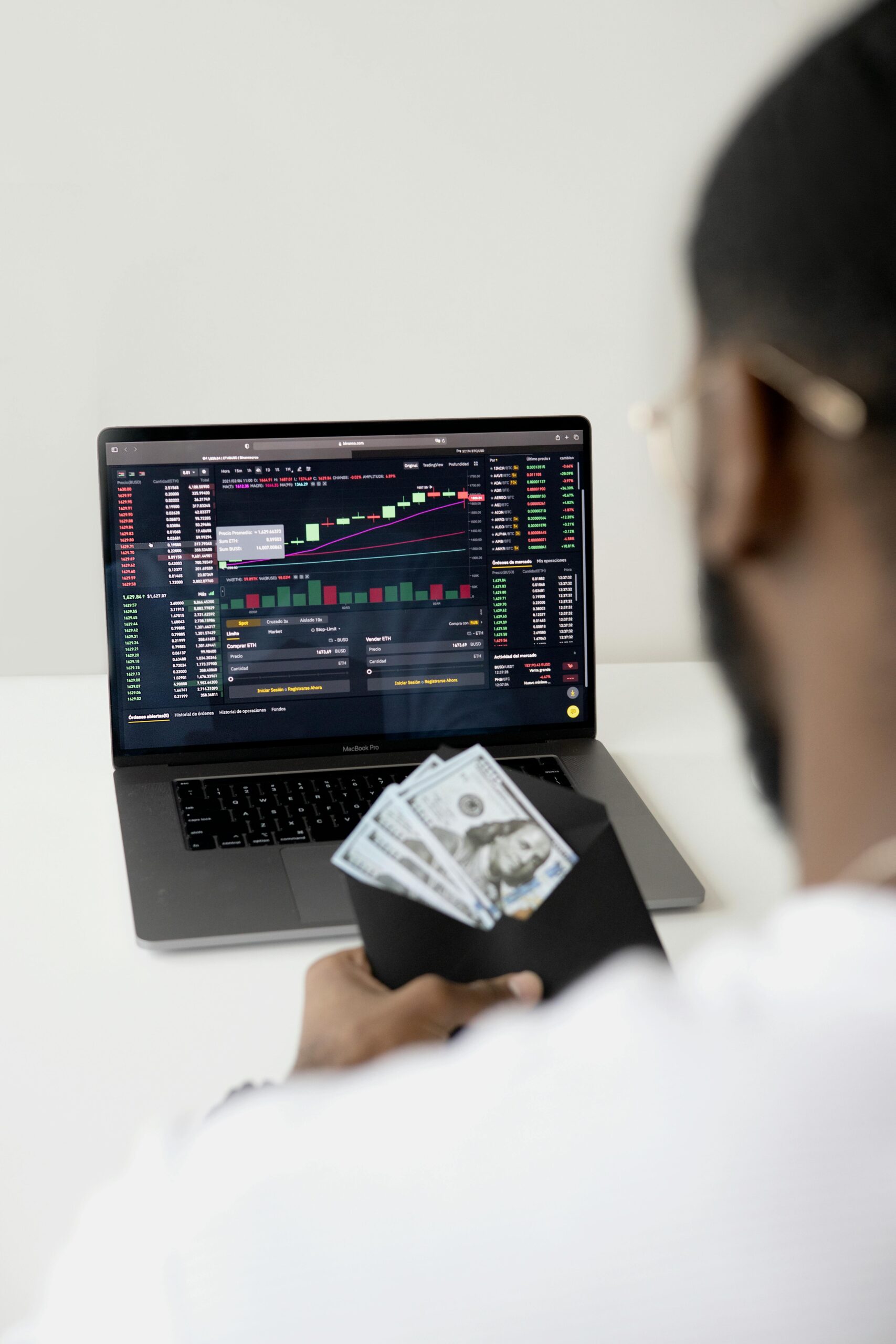
Deciphering the Mechanics of Expert Advisors in Trading

Key Takeaways
- Backtesting methods are crucial to validate the dependability of expert advisors in trading.
- Continuous monitoring and real-time adjustments are essential for optimizing the performance of expert advisors.
- Constructing a varied portfolio using several expert advisors can enhance trading outcomes.
- Legal and ethical aspects should be considered when utilizing expert advisors in trading activities.
- The future of expert advisors and algorithmic trading is promising with advancing technologies.
- Understanding the psychology of trading is key in leveraging the capabilities of expert advisors.
- Collaboration between human traders and expert advisors can lead to more effective trading strategies.
- Challenges in implementing expert advisors can be overcome with proper planning and expertise.
Backtesting Strategies for Ensuring Expert Advisor Reliability
Backtesting strategies play a crucial role in ensuring the reliability and effectiveness of expert advisors in trading. By analyzing historical data and performance metrics, traders can assess how well an automated trading system would have performed in the past under various market conditions. This process helps in identifying potential flaws, weaknesses, or areas for improvement in the expert advisor before risking real capital in live trading scenarios.
Moreover, backtesting allows traders to evaluate the consistency and robustness of a trading strategy over time. By running simulations on past market data, traders can gauge the efficacy of the expert advisor in different market situations and adjust parameters accordingly. Through rigorous backtesting procedures, traders can gain confidence in the reliability of their expert advisors and make informed decisions based on historical evidence rather than speculative notions.
Validating Trading Systems Through Historical Data Analysis
When it comes to utilizing expert advisors in trading, one crucial aspect is validating trading systems through historical data analysis. By examining past market data, traders can assess the effectiveness and reliability of their automated trading strategies. Historical data analysis allows traders to test their expert advisors in various market conditions and scenarios, providing valuable insights into how the system may perform in the future.
Analyzing historical data also aids in identifying any potential flaws or weaknesses in the trading system. By backtesting the strategies based on past market data, traders can refine and optimize their expert advisors for better performance. This process of validating trading systems through historical data analysis plays a pivotal role in ensuring that the automated trading strategies are robust and capable of adapting to different market conditions effectively.
Monitoring and Adjusting Expert Advisors in RealTime
Monitoring and adjusting expert advisors in real-time is a critical aspect of maintaining trading success in the dynamic financial markets. By closely tracking the performance of expert advisors as trades unfold, traders can make timely decisions to optimize outcomes. Real-time monitoring allows for the swift identification of any deviations from expected results, enabling traders to intervene promptly and adjust strategies as needed.
Furthermore, the ability to adjust expert advisors in real-time provides traders with the flexibility to respond to sudden market shifts and unforeseen events. This agility is essential for adapting to changing market conditions and maintaining a competitive edge in trading. By actively monitoring and adjusting expert advisors, traders can fine-tune their strategies to better align with current market dynamics, increasing the likelihood of achieving desired trading outcomes.
FineTuning Automated Trading Systems for Optimal Results
Fine-tuning automated trading systems is a critical aspect of optimizing performance and achieving optimal results in the dynamic world of financial markets. This process involves meticulously adjusting various parameters within the expert advisor to enhance its efficiency and profitability. By fine-tuning the algorithms and trading strategies incorporated in the system, traders can adapt to changing market conditions and improve the overall effectiveness of their automated trading approach.
One key consideration when fine-tuning automated trading systems is to strike the right balance between risk and reward. It is essential to carefully calibrate the risk settings to align with the desired profit targets and risk tolerance levels. By fine-tuning these parameters judiciously, traders can mitigate potential losses while maximizing profit potential. Additionally, continuous monitoring and evaluation of the system’s performance are paramount in fine-tuning efforts to ensure that it remains aligned with the trader’s financial goals and market expectations.
Building a Diversified Portfolio with Multiple Expert Advisors
Building a diversified portfolio with multiple expert advisors is a common strategy among traders looking to spread risk and maximize potential returns. By utilizing a variety of expert advisors that operate on different trading algorithms and principles, investors can benefit from a more balanced approach to automated trading. Each expert advisor may excel in specific market conditions or asset classes, allowing for increased adaptability to changing market dynamics.
Diversification not only helps in mitigating the impact of potential losses from a single advisor’s underperformance but also leverages the strengths of different strategies to enhance overall portfolio performance. Additionally, having multiple expert advisors in a portfolio can provide a more stable and consistent income stream over time, as the strengths of one advisor may offset the weaknesses of another. A well-thought-out combination of expert advisors can help traders navigate various market scenarios and achieve their financial goals with greater confidence and efficiency.
Balancing Risk and Reward with a Varied Automated Trading Approach
A key aspect of successful trading with expert advisors lies in striking the right balance between risk and reward through a diversified approach. By utilizing multiple automated trading systems across various markets and instruments, traders can mitigate potential losses and maximize profit potential. This strategy helps spread risk exposure and minimizes the impact of any unforeseen market fluctuations on the overall trading portfolio.
Diversification also enables traders to capitalize on different market conditions and trading opportunities, thereby enhancing the overall performance of their automated trading systems. By incorporating a mix of strategies that complement each other, traders can smooth out their equity curve and achieve more consistent results over time. It is essential to carefully monitor the performance of each expert advisor in the diversified portfolio and make adjustments as needed to ensure that the risk-reward ratio remains optimal.
Legal and Ethical Considerations in Using Expert Advisors
Utilizing expert advisors in trading raises a multitude of legal and ethical considerations that traders must carefully navigate. One of the primary concerns is ensuring compliance with regulatory frameworks that govern the use of automated trading systems. These regulations are designed to safeguard market integrity, prevent manipulation, and promote fair trading practices. Traders need to be well-versed in the legal requirements specific to their jurisdiction to avoid any inadvertent violations that could result in penalties or reputational damage.
Moreover, ethical considerations play a crucial role in the use of expert advisors. Traders should uphold high ethical standards in their trading practices, which involves transparency, honesty, and integrity. Ensuring that the algorithms utilized in expert advisors are free from biases, discriminatory criteria, or unethical strategies is essential. By adhering to ethical guidelines, traders can maintain trust with their clients and counterparties while contributing to the overall integrity of the financial markets.
Adhering to Regulations and Ethical Guidelines in Automated Trading Systems
Adhering to regulations and ethical guidelines is paramount when it comes to the utilization of automated trading systems. In the fast-paced and constantly evolving world of finance, it is essential for traders and developers to stay abreast of the legal frameworks and ethical standards that govern their activities. Failure to comply with these regulations can not only lead to financial penalties but also tarnish one’s reputation in the industry.
Regulators around the world are increasingly focusing on the use of automated trading systems, aiming to safeguard market integrity and protect investors. As such, traders must ensure that their expert advisors adhere to rules related to transparency, fair treatment of clients, and the prevention of market manipulation. By upholding these standards, traders can contribute to a more trustworthy and sustainable trading environment that benefits all participants.
Future Trends in Expert Advisors and Algorithmic Trading
Future trends in expert advisors and algorithmic trading indicate a shift towards more advanced technologies and sophisticated algorithms. With the rapid evolution of artificial intelligence and machine learning, expert advisors are likely to become even more intelligent and adaptive. These advancements will enable expert advisors to analyze complex data sets with greater speed and accuracy, leading to more precise trading decisions and improved performance in various market conditions.
Additionally, the integration of big data analytics and predictive modeling is set to revolutionize how expert advisors operate. By leveraging vast amounts of data and utilizing predictive algorithms, expert advisors can anticipate market trends and make strategic trades with higher success rates. This data-driven approach will empower traders to make informed decisions based on real-time market insights, ultimately enhancing their trading results and competitive edge in the financial markets.
Exploring Innovations Shaping the Future of Automated Trading
In the rapidly evolving landscape of automated trading, exciting innovations are constantly emerging to shape the future of this dynamic industry. One prominent development is the rise of artificial intelligence (AI) and machine learning algorithms, which are revolutionizing the way trading decisions are made. By leveraging advanced data analysis and predictive modeling, AI-powered trading systems can swiftly adapt to market trends and execute trades with remarkable speed and accuracy.
Furthermore, the integration of blockchain technology is another innovative stride in the realm of automated trading. Blockchain’s decentralized and secure nature offers unparalleled transparency and verifiability in transactions, fostering trust among traders and minimizing the risk of fraudulent activities. The use of smart contracts on blockchain platforms also enables automated execution of trades based on predefined conditions, streamlining the trading process and eliminating the need for intermediaries. As these cutting-edge developments continue to unfold, the future of automated trading holds immense promise for efficiency, transparency, and profitability in the global financial markets.
| Technology | Key Features | Benefits |
|---|---|---|
| Artificial Intelligence (AI) and Machine Learning | Advanced data analysis, predictive modeling | Swift adaptation to market trends, fast and accurate trade execution |
| Blockchain Technology | Decentralized, secure, smart contracts | Transparency, verifiability, trust, automated trade execution |
Psychology of Trading and the Role of Expert Advisors
Understanding the psychology of trading is crucial for both human traders and those utilizing expert advisors in the financial markets. Emotions such as fear, greed, and uncertainty can greatly influence decision-making processes, leading to both profits and losses. Expert advisors play a significant role in mitigating emotional biases by executing trades based on predetermined algorithms and rules, thus eliminating the impulse factor that human traders often struggle with.
Moreover, expert advisors can help traders stick to their predefined trading strategies and risk management rules without being swayed by impulsive decisions prompted by emotional reactions to market fluctuations. By taking emotions out of the equation, expert advisors can enhance trading discipline and consistency, which are vital for long-term success in the dynamic world of financial markets. Achieving a balance between human intuition and the systematic approach of expert advisors can lead to a more robust and rational trading process that maximizes the potential for achieving trading goals.
Understanding Behavioral Finance Principles in Automated Trading Strategies
Understanding behavioral finance principles in automated trading strategies is crucial for traders seeking to optimize their trading systems. Behavioral finance explores how psychological factors influence financial decision-making, which in turn affects market trends and trading patterns. When it comes to automated trading, incorporating behavioral finance principles can help traders better understand market sentiment, investor behavior, and the impact of emotions on trading outcomes.
One key aspect of behavioral finance in automated trading strategies is the recognition of cognitive biases that can lead to irrational decision-making. Traders must consider biases such as overconfidence, loss aversion, and herd mentality when designing their automated systems. By incorporating mechanisms to mitigate these biases, traders can enhance the effectiveness of their expert advisors and improve overall trading performance.
Collaboration Between Human Traders and Expert Advisors
Successful trading often requires a harmonious blend of human expertise and the precision of expert advisor algorithms. Human traders bring intuition, experience, and the ability to analyze market sentiment, while expert advisors excel in executing trades swiftly based on predefined parameters. The collaboration between these two entities can result in a powerful synergy that leverages the strengths of each, ultimately enhancing overall trading performance.
Human traders can guide the strategic direction of trading activities, identify market opportunities, and exercise discretion in decision-making based on their analysis. On the other hand, expert advisors can efficiently execute trades, manage risk according to predefined rules, and eliminate emotional bias from the trading process. By combining human insight with the algorithmic precision of expert advisors, traders can create a comprehensive approach that maximizes efficiency, accuracy, and profitability in the dynamic world of financial markets.
Harnessing the Power of Technology for Enhanced Trading Capabilities
In the realm of trading, technology plays a pivotal role in empowering traders to enhance their capabilities and stay ahead in the market. By harnessing the power of advanced tools and algorithms, traders can execute trades swiftly and accurately, capitalizing on opportunities that may otherwise be missed. Automated trading systems, in particular, leverage technology to process vast amounts of data in real-time, enabling traders to make informed decisions based on predefined parameters and strategies.
Moreover, technology facilitates connectivity and access to markets on a global scale, allowing traders to diversify their portfolios and explore new opportunities effortlessly. With the advent of cloud computing and mobile trading platforms, traders can stay connected to the market at all times, adjusting their positions and strategies as needed. The seamless integration of technology in trading not only enhances efficiency but also opens up new horizons for traders to explore innovative strategies and stay competitive in an ever-evolving market landscape.
- Utilize advanced tools and algorithms for swift and accurate trade execution
- Benefit from automated trading systems that process real-time data effectively
- Expand trading horizons globally through enhanced connectivity and market access
- Diversify portfolios effortlessly using cloud computing and mobile trading platforms
- Stay competitive by exploring innovative strategies facilitated by technology
Overcoming Challenges in Implementing Expert Advisors
One common challenge faced in implementing expert advisors is the need for a solid understanding of the technical aspects involved. Many traders find it daunting to navigate the complexities of programming languages and algorithm development required to create effective expert advisors. This challenge can be overcome by seeking out educational resources or collaborating with experienced developers who can provide guidance and support throughout the process.
Another obstacle traders encounter is the continuous optimization and refinement needed to ensure the expert advisors perform at their best. Fine-tuning parameters, adjusting strategies based on market conditions, and monitoring performance metrics are ongoing tasks that require time and dedication. To address this challenge, traders can establish a systematic approach to regularly review and update their expert advisors, ensuring they stay competitive and adaptive in the ever-evolving financial markets.
Addressing Common Issues Faced in Adopting Automated Trading Solutions
Implementing automated trading solutions can sometimes present challenges for traders looking to incorporate expert advisors into their strategies. One common issue faced is the complexity of setting up and configuring the automated systems to align with specific trading preferences. Traders may encounter difficulties in adjusting parameters, selecting suitable indicators, and defining risk-management protocols within the expert advisor framework.
Additionally, ensuring the seamless integration of automated trading solutions with existing platforms and brokerage accounts can be a hurdle for traders. Compatibility issues and technical glitches may arise, requiring troubleshooting and technical expertise to resolve. Moreover, maintaining the security and stability of automated systems while executing trades in real-time poses another concern that traders need to address when adopting expert advisors for trading activities.
Conclusion
In conclusion, the landscape of trading is continually evolving with the advancements in technology, specifically in the realm of expert advisors and automated trading systems. These tools offer traders the opportunity to execute strategies with precision and efficiency, leveraging data analysis and algorithmic models for informed decision-making. As we navigate through the complexities of the financial markets, it is essential for traders to adapt to these innovations to stay competitive and enhance their trading performance.
By harnessing the power of expert advisors in conjunction with human insight and expertise, traders can unlock new avenues for generating profits while managing risks effectively. As we look towards the future of trading, it is imperative for traders to embrace collaboration between human traders and automated systems to stay ahead of the curve. With a proactive approach to technology integration and continuous learning, traders can streamline their trading processes and achieve consistent success in the dynamic world of financial markets.
FAQS
What is an Expert Advisor in trading?
An Expert Advisor is a trading robot or automated trading system that executes trades on behalf of a trader based on predefined criteria and algorithms.
How can backtesting strategies help ensure the reliability of Expert Advisors?
Backtesting involves testing a trading strategy on historical data to evaluate its performance. By backtesting Expert Advisors, traders can assess how the system would have performed in the past and identify potential weaknesses.
What are some legal and ethical considerations to keep in mind when using Expert Advisors?
Traders using Expert Advisors must ensure compliance with regulations and ethical guidelines governing automated trading systems. It is important to adhere to industry standards and avoid engaging in fraudulent or unethical practices.
How can traders build a diversified portfolio using multiple Expert Advisors?
By using multiple Expert Advisors with different trading strategies and risk profiles, traders can diversify their portfolio and reduce exposure to specific market conditions or risks.
What are some common challenges faced in implementing Expert Advisors?
Challenges in implementing Expert Advisors may include technical issues, data quality problems, and the need for continuous monitoring and adjustment to optimize performance. Traders should be prepared to address these challenges proactively.