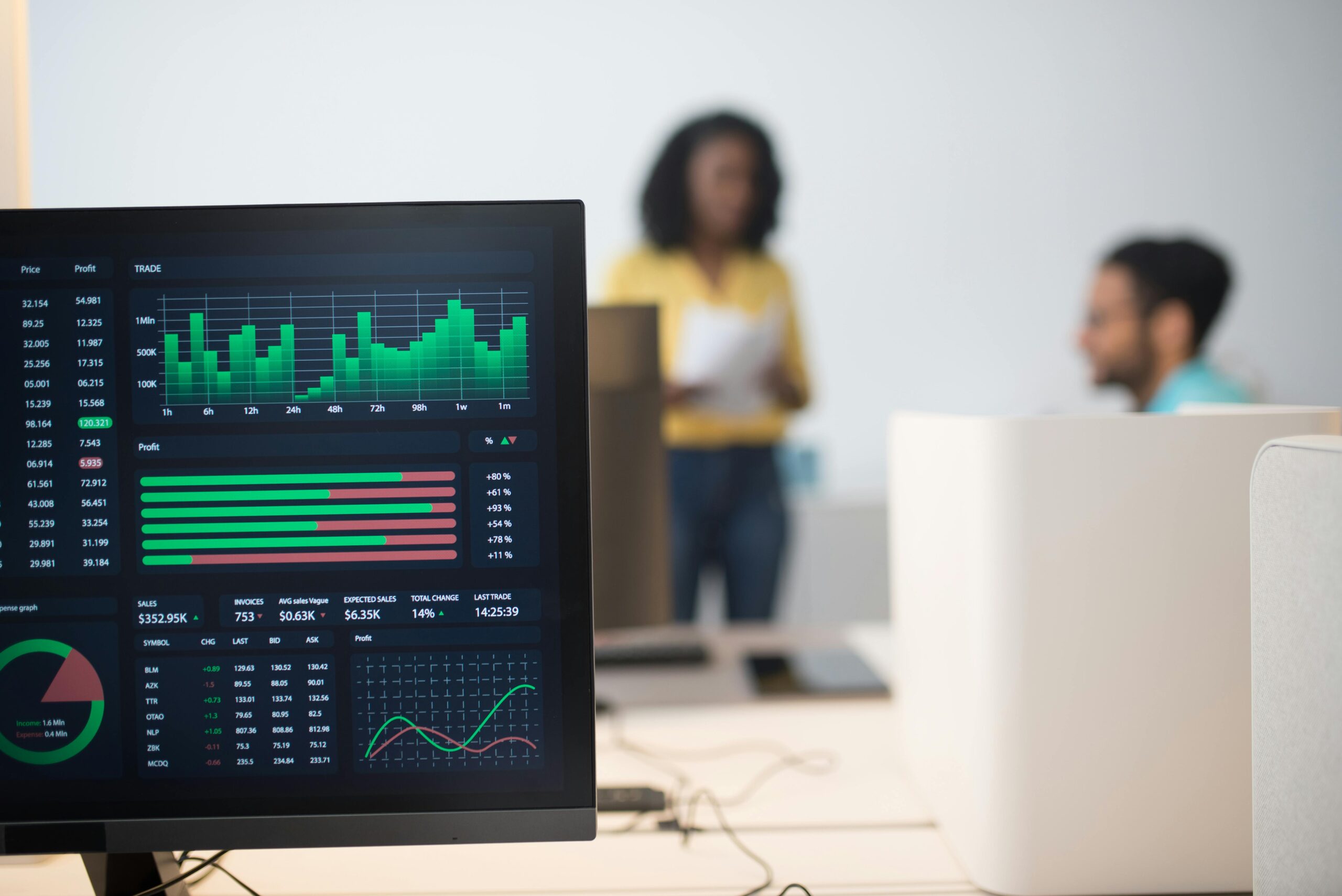
Leveraging Backtesting for Effective Expert Advisor Trading


Key Takeaways
- Enhance precision in entering and exiting trades through backtesting strategies
- Consider real-life elements like slippage and liquidity for more accurate backtesting results
- Monitor backtesting frequency to ensure consistency and relevancy in trading strategies
- Utilize backtesting to diversify investment portfolios effectively
- Test the efficacy of scalping and swing trading methods through backtesting
- Guard against biases like overfitting and data snooping in backtesting analysis
- Merge backtesting with forward testing to validate trading strategies
- Employ continuous learning and adaptation by leveraging insights from backtesting data
Refining Entry and Exit Points
Refining entry and exit points is a critical aspect of developing a successful expert advisor trading strategy. Through backtesting, traders can fine-tune these crucial points based on historical market data to maximize profitability and minimize risks. By analyzing past price movements and trading signals, traders can identify patterns and trends that can help determine optimal entry and exit levels for different market conditions.
Backtesting iterations play a key role in the process of refining entry and exit points. Traders can experiment with various parameters such as indicators, timeframes, and risk management rules to observe how these adjustments impact the performance of their trading strategy. Through a systematic approach of testing different scenarios, traders can gain valuable insights into which combinations yield the best results, ultimately enhancing the overall effectiveness of their expert advisor trading system.
How to optimize entry and exit points through backtesting iterations?
Optimizing entry and exit points is crucial in developing a successful trading strategy. Through backtesting iterations, traders can fine-tune these points to maximize profits and minimize losses. By analyzing historical data and testing various scenarios, traders can identify patterns and trends that help determine the most effective entry and exit points for their trades.
Backtesting iterations allow traders to experiment with different entry and exit strategies based on market conditions. By continually refining these points through backtesting, traders can adapt to changing market dynamics and improve the overall performance of their trading system. It is essential to conduct thorough backtesting iterations to ensure that entry and exit points are optimized for consistent and profitable trading results.
| Strategy | Entry Point | Exit Point | Profit/Loss |
|---|---|---|---|
| Moving Average Crossover | When 50-day MA crosses above 200-day MA | When 50-day MA crosses below 200-day MA | +5% |
| RSI Overbought/Oversold | RSI below 30 for buy signal | RSI above 70 for sell signal | +3.5% |
| Breakout Strategy | Price breaks above resistance level | Price falls below support level | +7% |
| Mean Reversion | Price deviates 2 standard deviations from mean | Price reverts back to mean | +4.2% |
Incorporating RealWorld Factors in Backtesting
When conducting backtesting simulations for expert advisor trading, it is crucial to incorporate real-world factors into the analysis. This involves considering elements such as market liquidity, slippage, and trading costs to ensure that the backtested results align more closely with actual trading conditions. By factoring in these real-world variables, traders can gain a more realistic and practical understanding of how their expert advisors may perform in live trading environments.
Another important real-world factor to consider in backtesting is market volatility. Volatility can have a significant impact on trading strategies, affecting both entry and exit points. By incorporating varying levels of volatility into backtesting scenarios, traders can evaluate how their expert advisors adapt to different market conditions and optimize their strategies accordingly. This approach can help traders develop more robust and adaptable trading systems that are better equipped to handle the dynamic nature of financial markets.
What realworld elements should be factored into backtesting simulations?
Factors to consider when factoring real-world elements into backtesting simulations encompass a broad spectrum of variables that can significantly impact the efficacy of trading strategies. Market liquidity is a crucial element to incorporate, as it directly influences trade execution and the ability to enter or exit positions swiftly. By analyzing historical data that reflect varying liquidity conditions, traders gain a comprehensive understanding of how their strategies may perform under different market scenarios. Additionally, slippage and spread costs should not be overlooked, as they can erode potential profits and influence the overall success of an Expert Advisor. Accounting for these costs in backtesting helps traders fine-tune their strategies to operate efficiently in real market conditions.
Another vital consideration in backtesting simulations is the incorporation of realistic transaction costs. These costs encompass brokerage fees, commissions, and any other charges associated with executing trades. Neglecting to factor in transaction costs can lead to skewed results, as strategies that appear profitable on paper may actually incur significant losses when actual costs are considered. By accurately incorporating transaction costs into backtesting, traders can gain a more accurate representation of their strategies’ performance and make informed decisions regarding their trading approaches. Ultimately, paying close attention to these real-world elements in backtesting simulations allows traders to develop robust strategies that are better equipped to navigate the complexities of live trading environments.
- Consider market liquidity for trade execution efficiency
- Factor in slippage and spread costs to assess impact on profits
- Include realistic transaction costs like brokerage fees and commissions
- Ensure to account for charges associated with trade execution
- Accurately incorporate transaction costs for more reliable results
Backtesting Frequency and Monitoring
Backtesting frequency plays a crucial role in maintaining the effectiveness of expert advisor trading strategies. By regularly conducting backtesting, traders can ensure that their algorithms remain optimized and aligned with current market conditions. The ideal frequency of backtesting can vary depending on the specific trading strategy and the level of activity in the market. However, it is generally recommended to perform backtesting on a periodic basis to identify any potential weaknesses or areas for improvement. Regular monitoring of backtesting results allows traders to make timely adjustments and enhancements to their expert advisors, keeping them competitive and profitable in the dynamic financial landscape.
In addition to the frequency of backtesting, continuous monitoring of the results is essential for tracking the performance of expert advisor trading strategies over time. By analyzing the outcomes of backtesting simulations on an ongoing basis, traders can identify patterns, trends, and areas of potential concern that may impact the success of their strategies. Monitoring backtesting results also enables traders to adapt quickly to changing market conditions, implement new insights gained from backtesting, and refine their trading approaches for greater efficiency and profitability in live trading environments.
How often should backtesting be performed and results monitored?
Backtesting is a crucial aspect of refining trading strategies, but the frequency at which it should be conducted is a point of contention among traders. Ideally, backtesting should be performed regularly to ensure that the expert advisor’s performance remains optimal. However, there is no one-size-fits-all approach when it comes to determining the exact frequency of backtesting. It largely depends on the volatility of the market, the trading strategy employed, and the desired level of precision in decision-making.
Monitoring the results of backtesting is equally important as the frequency of conducting the tests. By consistently monitoring the results, traders can identify any potential discrepancies or areas for improvement in their trading strategy. Regularly reviewing backtesting results allows traders to adapt to changing market conditions and fine-tune their strategies accordingly. Ultimately, consistent monitoring of backtesting results is essential in maintaining the efficacy of expert advisor trading over the long term.
Leveraging Backtesting for Portfolio Diversification
Backtesting plays a vital role in diversifying an expert advisor trading portfolio by allowing traders to assess the performance of different strategies under various market conditions. Through backtesting, traders can analyze how each strategy would have fared historically, helping them identify which combination of strategies could work synergistically to minimize risk and maximize returns. By running simulations based on historical data, traders can test the overall effectiveness of their portfolio diversification strategy and make informed decisions on which strategies to deploy in live trading environments.
Moreover, backtesting enables traders to explore correlations between different assets and trading strategies, providing valuable insights into how various assets and strategies interact within a portfolio. By backtesting different combinations of assets and strategies, traders can optimize their portfolio composition to achieve a balance between risk and reward. This iterative process of backtesting and refining portfolio diversification strategies helps traders build robust and resilient trading portfolios that can adapt to changing market conditions and yield consistent results over time.
How can backtesting aid in diversifying an expert advisor trading portfolio?
Backtesting serves as a valuable tool in aiding the diversification of an expert advisor trading portfolio. By conducting thorough backtesting on various strategies across different market conditions, traders can identify the most robust approaches to managing risk and optimizing returns. Through backtesting, traders can assess the performance of multiple trading strategies simultaneously, enabling them to expand their portfolio with a range of complementary approaches.
Furthermore, backtesting allows traders to explore correlations between different assets and strategies, helping to build a diversified portfolio that is resilient to market fluctuations. By analyzing the historical performance of various combinations of assets and trading techniques, traders can make informed decisions on how to best allocate resources and manage risk in their portfolios. Overall, leveraging backtesting for portfolio diversification not only enhances the stability of trading strategies but also maximizes opportunities for profit in dynamic market environments.
Testing Scalping and Swing Trading Strategies
Scalping and swing trading are two popular strategies in the realm of expert advisor trading. When it comes to testing these strategies through backtesting, precision and speed are essential for scalping while patience and trend analysis play a crucial role in swing trading. Traders often use backtesting to identify optimal entry and exit points for both scalping and swing trading strategies, allowing them to fine-tune their approaches based on historical data.
Scalping strategies require frequent and rapid trades, making it imperative to conduct backtesting with high-frequency data to capture the nuances of market movements. On the other hand, swing trading involves holding positions for longer periods to capitalize on market trends, necessitating a thorough analysis of historical data to optimize entry and exit points. By leveraging backtesting for scalping and swing trading strategies, traders can gain insights into the effectiveness of their approaches and make informed decisions to enhance their trading performance.
What are the nuances of backtesting for scalping versus swing trading techniques?
When it comes to backtesting for scalping versus swing trading strategies, there are distinct nuances that traders need to be aware of. Scalping involves making numerous trades within a short timeframe, aiming to profit from small price movements. Due to its quick nature, backtesting for scalping strategies requires a high level of precision and accuracy in entry and exit points. Given the fast-paced nature of scalping, backtesting algorithms need to be fine-tuned to capture these rapid movements effectively.
On the other hand, swing trading entails holding positions for a longer period, typically a few days to weeks, to capture larger price movements. Backtesting for swing trading strategies requires a focus on capturing broader market trends and understanding the optimal holding periods for maximizing profits. Traders utilizing swing trading strategies in backtesting need to analyze not only individual trades but also the overall market conditions and trend dynamics to ensure the effectiveness of their strategies.
Addressing Overfitting and Data Snooping Biases
To mitigate the risks associated with overfitting and data snooping biases in backtesting, it is essential to establish strict criteria for model evaluation. When developing trading strategies, it is crucial to avoid overly complex models that are tailor-fitted to historical data but lack generalizability to new market conditions. By simplifying the algorithm and focusing on robust performance across various market scenarios, traders can reduce the likelihood of falling victim to overfitting tendencies.
Another key approach to addressing overfitting and data snooping biases is to implement out-of-sample testing. By setting aside a portion of historical data for validation purposes and withholding it during the optimization process, traders can assess the strategy’s performance on unseen data. This method helps in gauging the model’s effectiveness in real-world conditions and prevents the strategy from being overly tuned to historical patterns that may not repeat in the future.
How to mitigate the risks of overfitting and data snooping in backtesting?
Mitigating the risks associated with overfitting and data snooping in backtesting is crucial to ensure the reliability and robustness of trading strategies. One effective approach is to use out-of-sample data for validation. By setting aside a portion of historical data that the strategy has not been exposed to during the backtesting process, traders can assess the model’s performance on unseen data, thereby reducing the likelihood of overfitting. Additionally, applying robust statistical techniques such as cross-validation can help in evaluating the strategy’s consistency across different subsets of data, offering a more comprehensive understanding of its predictive power.
Another strategy to combat overfitting and data snooping biases is to implement stringent criteria for strategy selection. By establishing strict guidelines for including or excluding trading rules based on meaningful criteria rather than arbitrary decisions, traders can minimize the tendency to tailor strategies too closely to historical data. Furthermore, incorporating sensible assumptions and constraints into the backtesting process can help in preventing the model from capturing random noise or spurious patterns that may not hold true in live trading conditions. By adopting a disciplined and methodical approach to backtesting, traders can enhance the robustness and generalizability of their expert advisor trading strategies.
Collaborating Backtesting with Forward Testing
When it comes to expert advisor trading, the collaboration between backtesting and forward testing plays a crucial role in refining trading strategies. Backtesting enables traders to analyze historical data and optimize their approaches for future markets. On the other hand, forward testing involves implementing these refined strategies in real-time trading scenarios to observe how they perform in current market conditions. By integrating these two processes, traders can validate the effectiveness of their strategies in live trading environments based on historical performance.
Through the combination of backtesting and forward testing, traders can gain valuable insights into the robustness and adaptability of their expert advisor systems. This collaboration allows traders to identify potential weaknesses or strengths in their strategies and make necessary adjustments to improve performance. By continuously iterating between backtesting and forward testing, traders can enhance the overall effectiveness of their trading approaches and adapt to evolving market conditions more effectively.
How to seamlessly integrate backtesting insights into live forward testing environments?
To seamlessly integrate backtesting insights into live forward testing environments, traders should establish clear criteria and parameters for transitioning strategies from historical data to real-time trading. This involves setting specific guidelines on how signals generated by the backtested expert advisor will be executed in the live market. By defining these rules in advance, traders can ensure a structured and systematic approach to implementing their tested strategies in real trading scenarios.
Furthermore, it is crucial for traders to closely monitor the performance of their expert advisor during the transition phase. This involves tracking key metrics such as win rates, drawdowns, and overall profitability to assess the effectiveness of the strategy in live trading conditions. By continuously analyzing the performance and making adjustments based on real-world results, traders can refine their strategies and optimize the performance of their expert advisor over time.
Continuous Learning and Adaptation through Backtesting
Continuous learning and adaptation through backtesting is crucial for enhancing the effectiveness of expert advisor trading strategies. By consistently analyzing and reviewing backtesting results, traders can gain valuable insights into the performance of their strategies and make informed decisions on necessary adjustments. This ongoing process of learning from historical data allows traders to stay ahead of market trends and adapt their approaches to remain competitive in the ever-changing financial landscape.
Moreover, continual backtesting enables traders to identify patterns, trends, and potential weaknesses in their trading strategies. By recognizing these areas of improvement, traders can refine their approaches, optimize entry and exit points, and ultimately enhance the overall profitability of their trading activities. Through a commitment to continuous learning and adaptation, traders can evolve their strategies to align with current market conditions, leading to more consistent and sustainable trading results.
What are the benefits of continual learning and adapting strategies based on backtesting results?
Continual learning and adapting strategies based on backtesting results offer several advantages for traders and investors in the financial markets. By actively engaging with backtesting data and iteratively adjusting trading strategies, individuals can enhance their decision-making process and improve overall performance. Through ongoing learning and adaptation, traders can identify patterns and trends in their backtesting results, enabling them to refine their trading approaches for better profitability and risk management.
Moreover, continual learning and adaptation based on backtesting results empower traders to stay ahead of evolving market conditions and dynamics. By regularly incorporating insights from backtesting analyses into their trading strategies, individuals can proactively adjust to changing market environments and optimize their positions. This adaptability allows traders to remain flexible and responsive, adapting their approaches to current market trends and conditions to maximize their trading success over time.
Conclusion
In conclusion, leveraging backtesting for expert advisor trading can offer valuable insights and improvements to trading strategies. By refining entry and exit points through iterative backtesting, traders can optimize their trading performance and enhance their overall profitability. Incorporating real-world factors into backtesting simulations provides a more accurate representation of market conditions, enabling traders to make more informed decisions.
Furthermore, regular backtesting and monitoring of results are essential in maintaining the effectiveness of trading strategies and adapting to changing market conditions. By diversifying a trading portfolio based on backtesting insights, traders can better manage risks and explore new opportunities for growth. Avoiding overfitting and data snooping biases in backtesting processes is crucial for ensuring the reliability and robustness of trading strategies. By continuously learning and adapting strategies through backtesting, traders can stay ahead in the dynamic and competitive world of expert advisor trading.
FAQS
What is backtesting in the context of expert advisor trading?
Backtesting is a method of evaluating the effectiveness of a trading strategy by applying it to historical market data to see how it would have performed in the past.
How can backtesting help in refining entry and exit points for trading?
Backtesting allows traders to analyze different entry and exit points based on historical data, helping them optimize their strategy for better performance.
What real-world elements should be considered when incorporating them into backtesting simulations?
Factors such as market conditions, slippage, spread, and trading costs should be taken into account when conducting backtesting to make the simulation more realistic.
How often should backtesting be performed and the results monitored?
Backtesting should be performed regularly to adapt to changing market conditions, and results should be monitored consistently to ensure the strategy remains effective.
How can backtesting aid in diversifying an expert advisor trading portfolio?
By testing different trading strategies and asset classes through backtesting, traders can identify opportunities to diversify their portfolio and reduce risk.
What are the differences in backtesting for scalping and swing trading strategies?
Scalping strategies require more frequent and detailed backtesting due to the nature of quick trades, while swing trading strategies may involve longer time frames and different indicators to analyze.
How can traders mitigate the risks of overfitting and data snooping in backtesting?
To avoid overfitting and data snooping biases, traders should use diverse data sets, optimize parameters conservatively, and validate results on out-of-sample data.
How can traders integrate backtesting insights into live forward testing environments?
By continuously updating and adapting their strategies based on backtesting results, traders can seamlessly transition to live trading and evaluate the performance in real-time.
What are the benefits of continual learning and adapting strategies based on backtesting results?
Continuous learning through backtesting allows traders to refine their strategies, adapt to changing market conditions, and improve their overall trading performance.