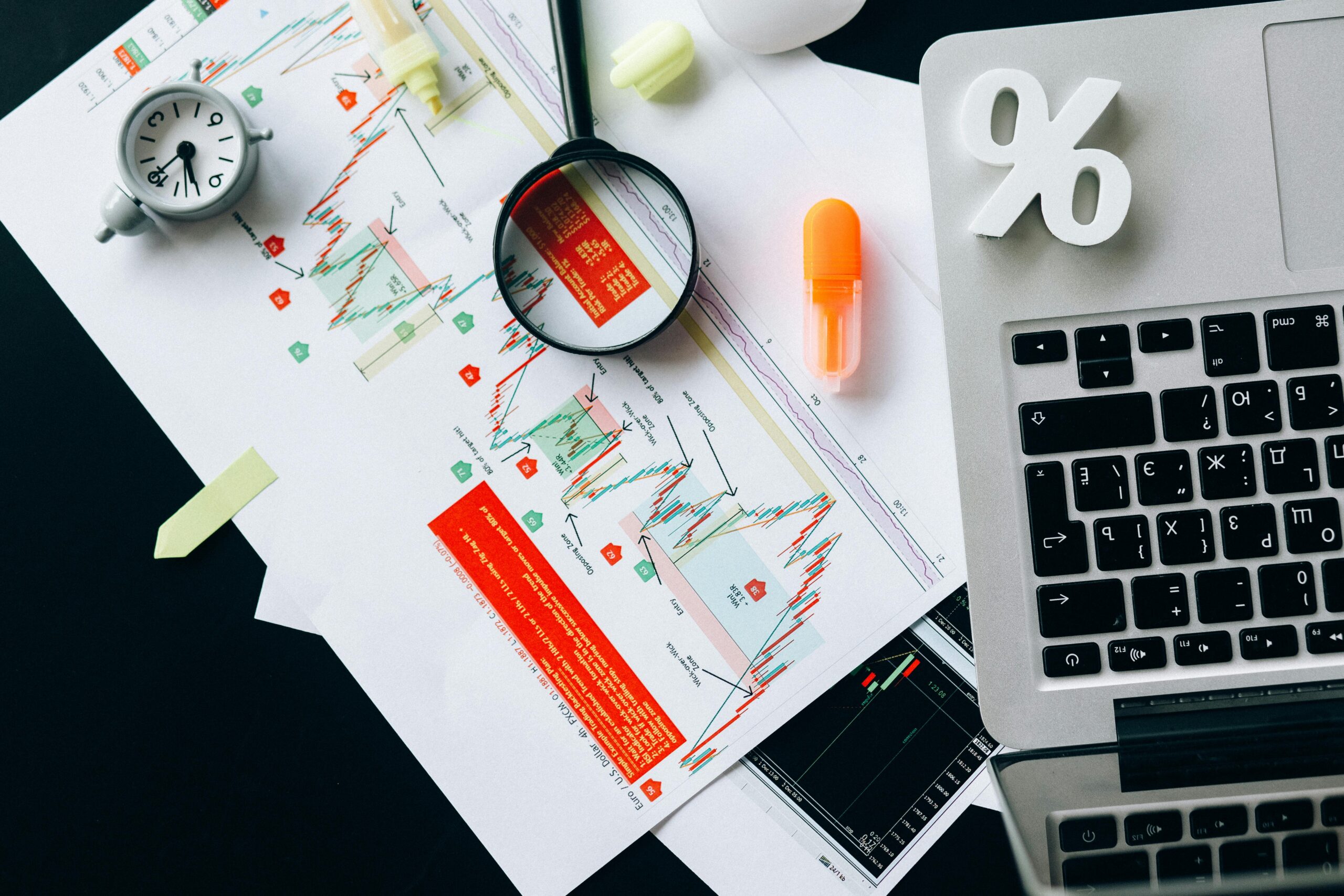
Creating a Successful Technical Analysis Strategy for Forex Trading


Key Takeaways
- Adjust your strategy based on market conditions to stay competitive in forex trading.
- Expand your trading portfolio to mitigate risks and maximize potential profits.
- Fine-tune your trading system for optimal performance in the forex market.
- Track your trades in a journal to analyze patterns and improve decision-making.
- Invest in continuous education and growth to enhance your trading skills.
- Control emotions to avoid impulsive decisions that may lead to losses.
- Seek guidance from experienced traders to gain valuable insights and perspectives.
- Regularly review and refine your strategy to adapt to changing market dynamics in forex trading.
Monitoring and Adapting to Market Conditions
Monitoring and adapting to market conditions is a crucial aspect of developing a successful technical analysis strategy for forex trading. By staying vigilant and observant of the market trends and movements, traders can make informed decisions about when to enter or exit trades. It is essential to continuously analyze various technical indicators, such as moving averages, support and resistance levels, and chart patterns, to gauge the current market sentiment accurately.
Market conditions can change rapidly due to various factors, including economic data releases, geopolitical events, and central bank announcements. Traders need to be proactive in adjusting their strategies to align with the evolving market dynamics. This may involve modifying risk management techniques, revising entry and exit points, or considering alternative trading approaches to adapt to the shifting landscape. The ability to stay flexible and responsive to market conditions is key to navigating the complexities of the forex market and maximizing trading opportunities.
Adjusting strategies in response to news events
When it comes to forex trading, news events can have a significant impact on market volatility and prices. As a savvy trader, it is crucial to adjust your strategies in response to these events to maximize your potential for profits. One effective approach is to stay informed about upcoming economic releases, political developments, and other news that could influence currency movements.
News events such as interest rate decisions, employment reports, and geopolitical tensions can create sudden shifts in the forex market. Being prepared to adapt your trading strategies based on these events can help you avoid unnecessary risks and capitalize on potential opportunities. By closely monitoring news updates and analyzing their potential impact on currency pairs, you can make informed decisions and stay ahead of market trends.
Diversifying Your Trading Portfolio
Exploring different currency pairs is crucial when it comes to diversifying your trading portfolio in the forex market. By branching out and not solely focusing on one currency pair, you spread your risk and increase your chances of finding profitable opportunities. Each currency pair has its own unique characteristics and volatility, so diversification helps you navigate through various market conditions more effectively.
Furthermore, diversifying your trading portfolio allows you to take advantage of global economic trends and events that may impact different currency pairs differently. By having exposure to multiple currency pairs, you are better positioned to capitalize on opportunities that arise due to geopolitical developments, economic indicators, and other external factors influencing the forex market. Embracing a diverse trading portfolio is a strategic approach that can enhance your overall trading performance and minimize the impact of unforeseen market fluctuations.
Exploring different currency pairs for opportunities
When exploring different currency pairs for trading opportunities in the forex market, it is crucial to consider a variety of factors that can influence the potential success of a trade. One key aspect to focus on is understanding the unique characteristics and behaviors of each currency pair. Different pairs may exhibit varying levels of volatility, liquidity, and correlation with other assets, all of which can impact your trading strategy. By gaining a deep understanding of how each currency pair moves and reacts to market conditions, traders can make more informed decisions and increase their chances of success.
Additionally, diversifying your trading portfolio across different currency pairs can help to spread risk and optimize your overall trading strategy. A diversified portfolio can offer more opportunities for profit, as movements in one currency pair may be offset by movements in another. By exploring and trading a mix of major, minor, and exotic currency pairs, traders can take advantage of various market conditions and trends, ultimately enhancing their chances of achieving consistent returns in the forex market.
Optimizing Your Trading System
To optimize your trading system, you must focus on fine-tuning the parameters to enhance its efficiency. This involves tweaking settings such as entry and exit points, stop-loss levels, and position sizing to align with your trading goals and risk tolerance. By carefully adjusting these parameters, you can improve your system’s overall performance and increase the likelihood of successful trades. It is important to test these changes thoroughly using historical data or a demo account before implementing them in live trading to gauge their impact accurately.
Additionally, optimizing your trading system requires a systematic approach to analysis and improvement. Regularly reviewing performance metrics, such as win rate, average profit/loss per trade, and drawdown, can help you identify areas that need adjustment. By tracking these metrics over time, you can assess the effectiveness of your system and make informed decisions on how to refine it further. Remember, optimization is an ongoing process that demands attention to detail and a willingness to adapt to evolving market conditions.
Finetuning parameters for maximum efficiency
Fine-tuning parameters in your trading system is essential for achieving maximum efficiency and profitability in forex trading. By adjusting key variables such as entry and exit points, risk management settings, and position sizing, you can optimize your strategy to better suit current market conditions. These minor adjustments can have a significant impact on your overall trading performance, helping you to capitalize on opportunities and minimize potential losses.
Experiment with different parameter settings to see which combination works best for your trading style and risk tolerance. Keep in mind that market conditions are constantly evolving, so it is important to regularly review and adjust your parameters to adapt to changing dynamics. By staying proactive and attentive to the performance of your trading system, you can fine-tune it for maximum efficiency and stay ahead of the curve in the forex market.
Keeping a Trading Journal
Keeping a trading journal is a crucial practice for any forex trader looking to enhance their performance and overall success in the market. By diligently recording all your trades, including entry and exit points, reasoning behind each trade, and the outcome, you can gain valuable insights into your trading patterns and tendencies. This organized documentation allows you to identify strengths and weaknesses in your strategy, enabling you to make informed adjustments and improvements for future trades.
Moreover, a trading journal serves as a reliable reference tool for evaluating the effectiveness of different tactics and approaches utilized in the market. By analyzing past trades recorded in your journal, you can track your progress, learn from past mistakes, and refine your trading techniques over time. This reflective process not only enhances your discipline and decision-making skills but also helps you stay focused on your trading goals and objectives.
Recording trades to analyze performance over time
Recording trades is a crucial aspect of developing a successful forex trading strategy. By diligently keeping track of your trades and outcomes, you can analyze your performance over time and identify patterns or trends in your trading behavior. This data-driven approach allows you to see what is working well and what areas may need improvement, enabling you to make informed decisions based on empirical evidence rather than relying solely on intuition.
Moreover, maintaining a trading journal can provide valuable insights into your strengths and weaknesses as a trader. By documenting the rationale behind each trade, your entry and exit points, as well as the outcome, you can pinpoint areas where you excel and areas where you may need to refine your strategy. Regularly reviewing your trading journal can help you refine your approach, capitalize on successful trades, and learn from any mistakes or losses, ultimately enhancing your overall performance in the forex market.
| Trade Number | Entry Date | Exit Date | Currency Pair | Trade Direction | Entry Price | Exit Price | Outcome |
|---|---|---|---|---|---|---|---|
| 1 | 2022-01-05 | 2022-01-07 | EUR/USD | Long | 1.1205 | 1.1250 | Profit |
| 2 | 2022-01-10 | 2022-01-12 | GBP/JPY | Short | 152.35 | 151.80 | Loss |
| 3 | 2022-01-15 | 2022-01-18 | USD/CAD | Long | 1.2800 | 1.2855 | Profit |
| 4 | 2022-01-22 | 2022-01-24 | AUD/NZD | Short | 1.0700 | 1.0750 | Profit |
Seeking Continuous Learning and Improvement
To excel in the field of forex trading, continuous learning and improvement are essential components. Staying updated on industry trends, economic developments, and geopolitical events is crucial for making informed trading decisions. By attending workshops, webinars, and conferences, traders can expand their knowledge base and enhance their analytical skills to navigate the dynamic forex market successfully.
Apart from seeking formal education and training, staying engaged with online communities, forums, and social media platforms dedicated to forex trading can provide valuable insights and perspectives. Engaging in discussions, sharing experiences, and learning from the successes and failures of other traders can offer a broader understanding of market dynamics and help traders refine their strategies for better outcomes. Remember that learning is a continuous process, and the more you invest in expanding your knowledge and skill set, the better equipped you’ll be to adapt to the ever-changing landscape of forex trading.
Staying updated on industry trends and developments
Staying updated on industry trends and developments is essential for any forex trader looking to succeed in the ever-evolving market. By staying informed about changes in regulations, geopolitical events, and economic indicators, traders can make more informed decisions about when to enter or exit trades. Keeping abreast of industry news also allows traders to anticipate potential market movements and adjust their strategies accordingly.
Furthermore, staying updated on industry trends and developments enables traders to identify emerging opportunities and risks in the forex market. By recognizing shifts in market sentiment or upcoming macroeconomic data releases, traders can position themselves to capitalize on favorable market conditions or protect their portfolio from potential downturns. In a fast-paced and dynamic market like forex trading, being well-informed and proactive can make all the difference in achieving long-term trading success.
Avoiding Emotional DecisionMaking
Emotions can often cloud judgment when it comes to making trading decisions in the foreign exchange market. Fear, greed, and excitement can lead to impulsive actions that may not align with your overall trading strategy. To avoid falling victim to emotional decision-making, it is crucial to stick to a disciplined approach when executing trades. This means setting clear entry and exit points based on your analysis and following them without being swayed by market fluctuations or external influences.
By maintaining a rational mindset and focusing on the analytical aspect of trading rather than succumbing to emotions, you can increase your chances of success in the forex market. It is important to remember that trading is a skill that requires strategic thinking and careful planning, rather than impulsive reactions based on fleeting emotions. Developing a strong mental discipline and staying true to your trading plan can help you avoid making costly mistakes driven by emotional impulses.
Following a disciplined approach to trading
Having a disciplined approach to trading is crucial for success in the forex market. By following a set of predefined rules and sticking to a consistent strategy, traders can avoid making impulsive decisions driven by emotions. This disciplined approach helps in maintaining focus and objectivity, leading to more rational trading decisions based on analysis rather than feelings.
Moreover, a disciplined trading approach encourages traders to follow risk management practices diligently. This includes setting stop-loss orders, managing position sizes effectively, and avoiding over-leveraging. By adhering to these risk management principles consistently, traders can protect their capital and minimize potential losses, ensuring long-term sustainability in the forex market.
- Regularly review and adjust trading plan as needed
- Stay informed about market trends and news that may impact trades
- Track and analyze trading performance to identify areas for improvement
- Keep emotions in check and avoid making impulsive decisions
- Maintain patience and discipline during both winning and losing streaks.
Consulting with Expert Traders
When it comes to refining your forex trading strategy, seeking guidance from expert traders can be incredibly beneficial. Experienced professionals in the field can provide valuable insights, perspectives, and advice that may help you navigate the complex world of currency trading more effectively. By consulting with expert traders, you can gain access to a wealth of knowledge and expertise that can enhance your own trading approach.
Expert traders can offer you practical strategies, tips on risk management, and advice on how to capitalize on trading opportunities. They can also help you identify potential pitfalls and provide suggestions for improving your overall trading performance. Building relationships with seasoned traders can also give you access to a network of like-minded individuals who can offer support, encouragement, and a sense of community in what can sometimes be a solitary pursuit.
Seeking advice from experienced professionals
Seeking advice from experienced professionals is a crucial step in developing a successful technical analysis strategy for forex trading. Expert traders can offer valuable insights and perspectives that may not be readily apparent to novice traders. By consulting with seasoned professionals, traders can gain a deeper understanding of market dynamics and develop more effective trading strategies.
Experienced professionals can provide guidance on how to navigate complex market conditions, identify profitable opportunities, and manage risks effectively. Their expertise can help traders avoid common pitfalls and make more informed decisions when executing trades. By tapping into the knowledge and insights of seasoned traders, aspiring forex traders can enhance their skills, improve their performance, and achieve their trading goals more efficiently.
Reviewing and Adjusting Your Strategy Regularly
It is essential for forex traders to consistently review and adjust their trading strategies to ensure ongoing success in the ever-changing market conditions. By regularly evaluating performance metrics and analyzing trading results, traders can identify strengths and weaknesses in their approach. This process allows traders to make necessary adjustments to optimize their strategy for better outcomes.
Moreover, reviewing and adjusting the trading strategy regularly helps traders stay ahead of market trends and adapt to new developments. By keeping track of performance over time, traders can fine-tune their approach and make informed decisions based on data-driven insights. This proactive approach not only enhances trading efficiency but also increases the likelihood of achieving long-term profitability in forex trading.
Evaluating performance metrics for ongoing success
Once you have implemented your technical analysis strategy for forex trading, it is crucial to regularly evaluate the performance metrics to ensure ongoing success. By reviewing key performance indicators such as win rate, risk-reward ratio, and overall profitability, you can identify strengths and weaknesses in your trading approach. This analysis allows you to make informed adjustments to optimize your strategy and improve your trading results over time.
Tracking important metrics like average gain/loss per trade, maximum drawdown, and trade duration can provide valuable insights into the effectiveness of your strategy. By comparing these metrics against your trading goals and benchmarks, you can gauge the overall performance of your strategy and make necessary revisions to stay on track. Consistent evaluation of performance metrics is essential for adapting to changing market conditions, fine-tuning your approach, and ultimately achieving long-term success in forex trading.
Conclusion
In conclusion, creating a successful technical analysis strategy for forex trading requires a combination of skill, discipline, and continuous learning. By monitoring and adapting to market conditions, adjusting strategies in response to news events, and diversifying your trading portfolio, you can increase your chances of success in the dynamic foreign exchange market. Optimizing your trading system, keeping a trading journal, and seeking advice from expert traders are also crucial elements in developing a winning strategy.
Furthermore, staying updated on industry trends, avoiding emotional decision-making, and regularly reviewing and adjusting your strategy will help you adapt to the ever-changing forex landscape. Remember to seek continuous improvement, evaluate performance metrics, and approach trading with a disciplined mindset to achieve your financial goals. By following these guidelines and remaining committed to your trading strategy, you can enhance your skills as a forex trader and work towards achieving consistent profitability in the market.
FAQS
How important is it to monitor and adapt to market conditions in forex trading?
Monitoring and adapting to market conditions is crucial in forex trading as it allows traders to make informed decisions based on current trends and changes in the market.
Why is it necessary to adjust strategies in response to news events when trading forex?
News events can have a significant impact on currency prices, so adjusting strategies in response to these events is essential to stay ahead of market movements and minimize risk.
How can diversifying your trading portfolio benefit your forex trading strategy?
Diversifying your trading portfolio by exploring different currency pairs can provide more opportunities for profitable trades and reduce the risk of relying too heavily on a single currency pair.
What does it mean to optimize your trading system in forex trading?
Optimizing your trading system involves fine-tuning parameters to maximize efficiency and improve the overall performance of your strategy in the forex market.
Why is it important to keep a trading journal when trading forex?
Keeping a trading journal helps traders record their trades, analyze their performance over time, and identify patterns or areas for improvement in their forex trading strategy.