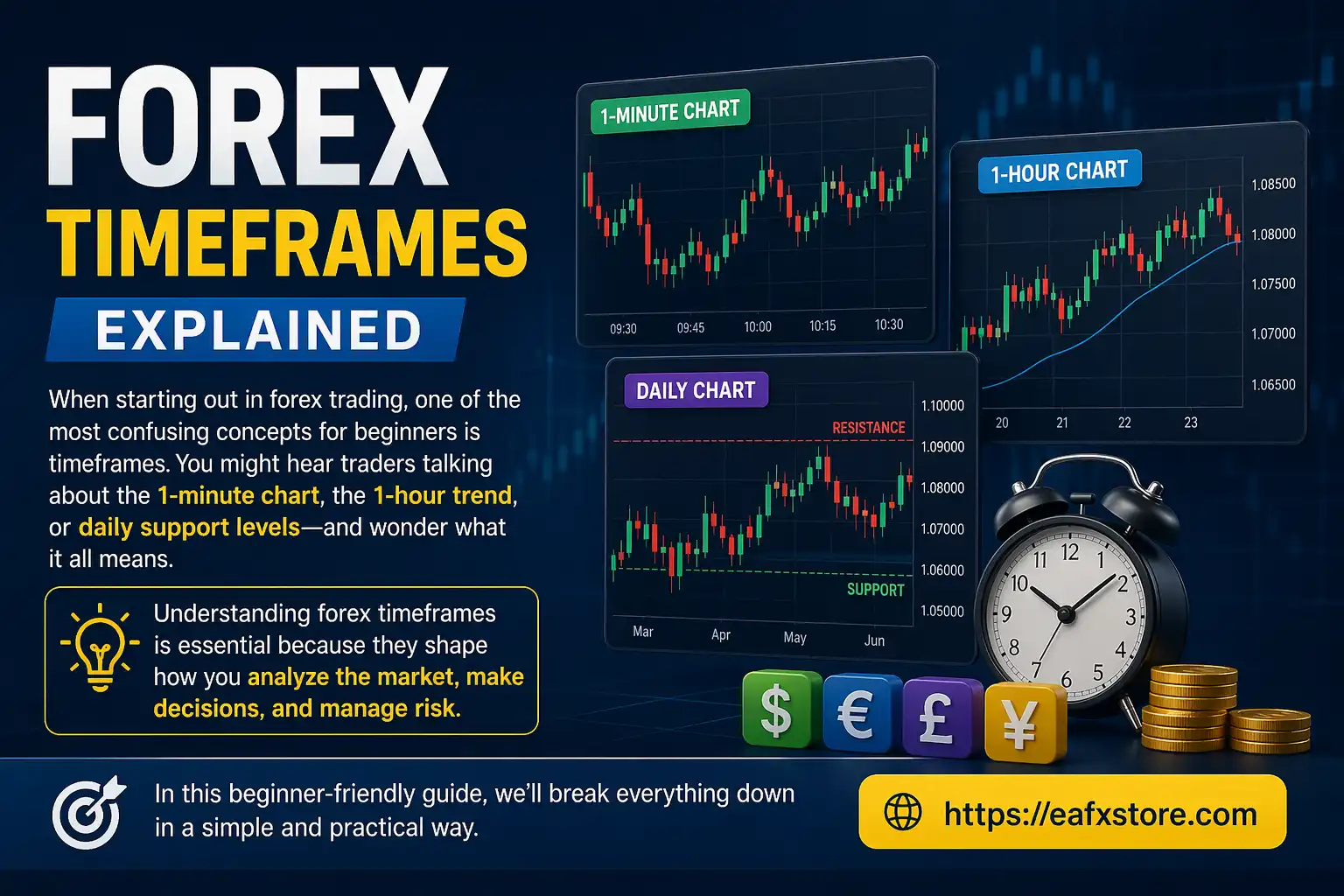


When it comes to Forex trading, one of the most overlooked yet crucial decisions traders make is choosing the right timeframe. While many beginners focus heavily on indicators, strategies, or currency pairs, the timeframe you trade on can significantly impact your results. Selecting the right timeframe helps align your strategy with your lifestyle, risk tolerance and trading goals.
In this guide, we’ll break down the different Forex trading timeframes, their pros and cons, and how to choose the one that suits you best.
What Are Timeframes in Forex Trading?
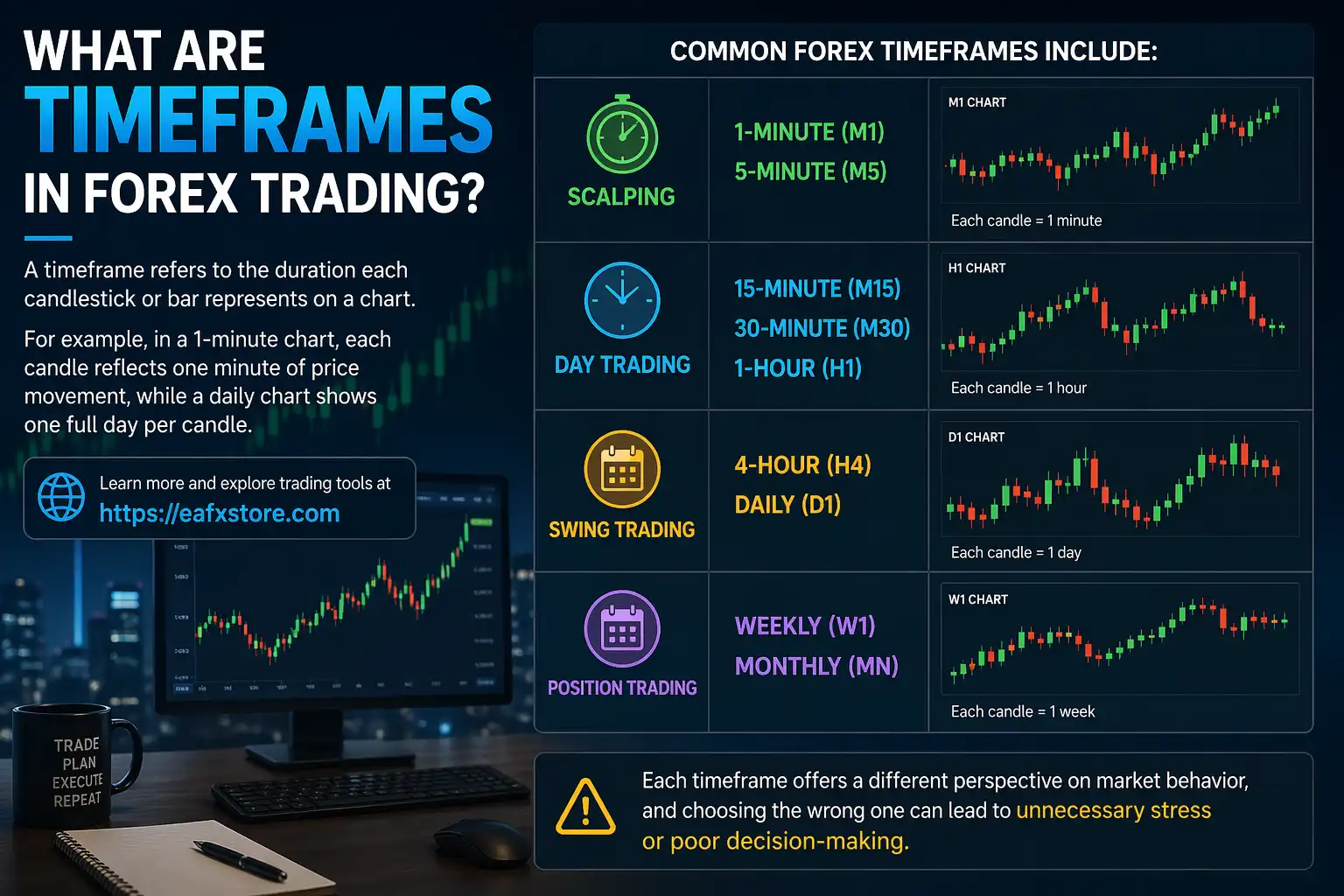
A timeframe refers to the duration each candlestick or bar represents on a chart. For example, in a 1-minute chart, each candle reflects one minute of price movement, while a daily chart shows one full day per candle.
Common Forex timeframes include:
- Scalping: 1-minute (M1), 5-minute (M5)
- Day trading: 15-minute (M15), 30-minute (M30), 1-hour (H1)
- Swing trading: 4-hour (H4), Daily (D1)
- Position trading: Weekly (W1), Monthly (MN)
Each timeframe offers a different perspective on market behavior, and choosing the wrong one can lead to unnecessary stress or poor decision-making.
Why Choosing the Right Timeframe Matters
Not all traders are the same. Some prefer fast-paced environments with quick profits, while others favor a slower, more analytical approach. Your timeframe determines:
- How often you trade
- How long you hold positions
- Your exposure to market noise
- Your emotional stress level
For example, trading on lower timeframes can lead to overtrading and emotional fatigue, while higher timeframes require patience and discipline.
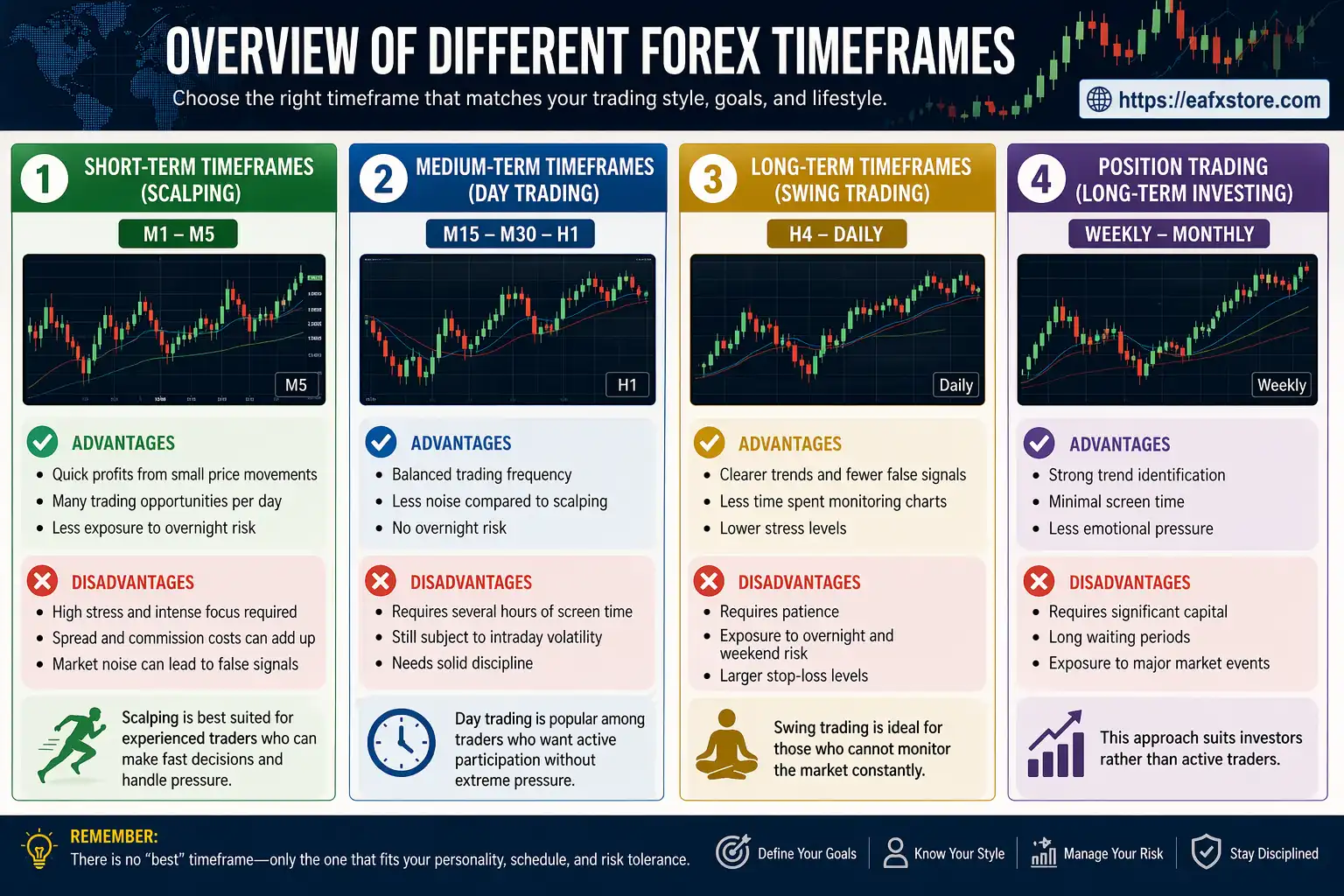
Overview of Different Forex Timeframes
1. Short-Term Timeframes (Scalping)
Short-term traders, also known as scalpers, operate on very low timeframes like M1 or M5.
Advantages:
- Quick profits from small price movements
- Many trading opportunities per day
- Less exposure to overnight risk
Disadvantages:
- High stress and intense focus required
- Spread and commission costs can add up
- Market noise can lead to false signals
Scalping is best suited for experienced traders who can make fast decisions and handle pressure.
2. Medium-Term Timeframes (Day Trading)
Day traders typically use M15, M30, or H1 charts and close all positions within the same day.
Advantages:
- Balanced trading frequency
- Less noise compared to scalping
- No overnight risk
Disadvantages:
- Requires several hours of screen time
- Still subject to intraday volatility
- Needs solid discipline
Day trading is popular among traders who want active participation without extreme pressure.
3. Long-Term Timeframes (Swing Trading)
Swing traders hold positions for several days to weeks, using H4 or Daily charts.
Advantages:
- Clearer trends and fewer false signals
- Less time spent monitoring charts
- Lower stress levels
Disadvantages:
- Requires patience
- Exposure to overnight and weekend risk
- Larger stop-loss levels
Swing trading is ideal for those who cannot monitor the market constantly.
4. Position Trading (Long-Term Investing)
Position traders use weekly or monthly charts and may hold trades for months or even years.
Advantages:
- Strong trend identification
- Minimal screen time
- Less emotional pressure
Disadvantages:
- Requires significant capital
- Long waiting periods
- Exposure to major market events
This approach suits investors rather than active traders.
How to Choose the Best Timeframe for You
There is no “best” timeframe universally — only the best one for you. Here are key factors to consider:

1. Your Lifestyle
If you have a full-time job or limited availability, lower timeframes may not be practical. Swing or position trading would be more suitable.
If you can dedicate several hours daily, day trading might be a better fit.
2. Your Personality
- Impatient and action-oriented? Short timeframes may suit you
- Calm and analytical? Higher timeframes are better
Choosing a timeframe that matches your personality helps you stay consistent.
3. Risk Tolerance
Lower timeframes involve frequent trades and rapid decisions, which can increase emotional stress.
Higher timeframes typically involve larger stop-loss levels but fewer trades, making them more manageable for some traders.
4. Trading Strategy
Your strategy should align with your timeframe. For example:
- Scalping strategies rely on quick entries and exits
- Trend-following strategies work better on higher timeframes
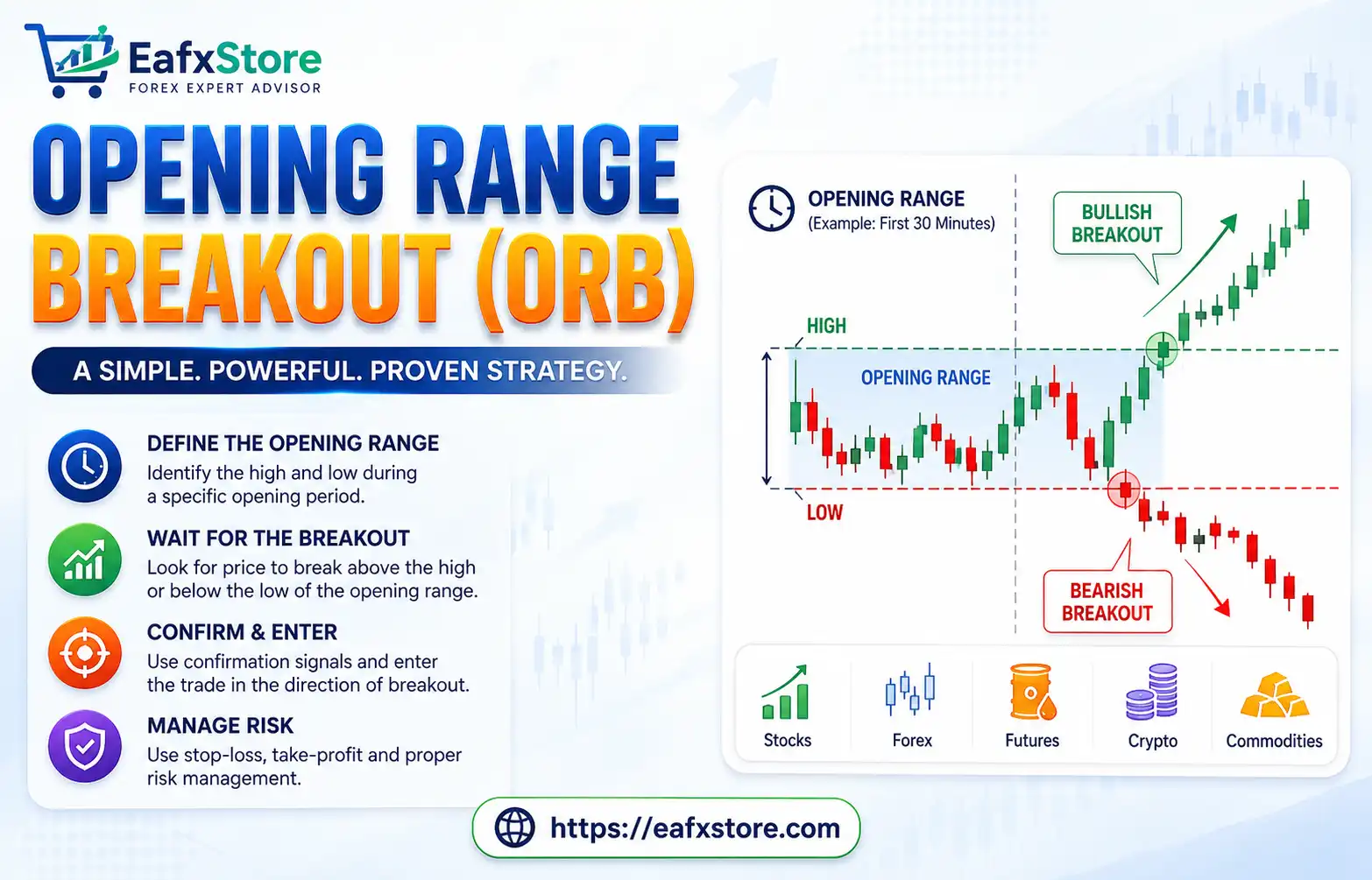
- Breakout strategies can work across multiple timeframes
Always test your strategy on your chosen timeframe before committing real capital.
Multi-Timeframe Analysis: A Smarter Approach
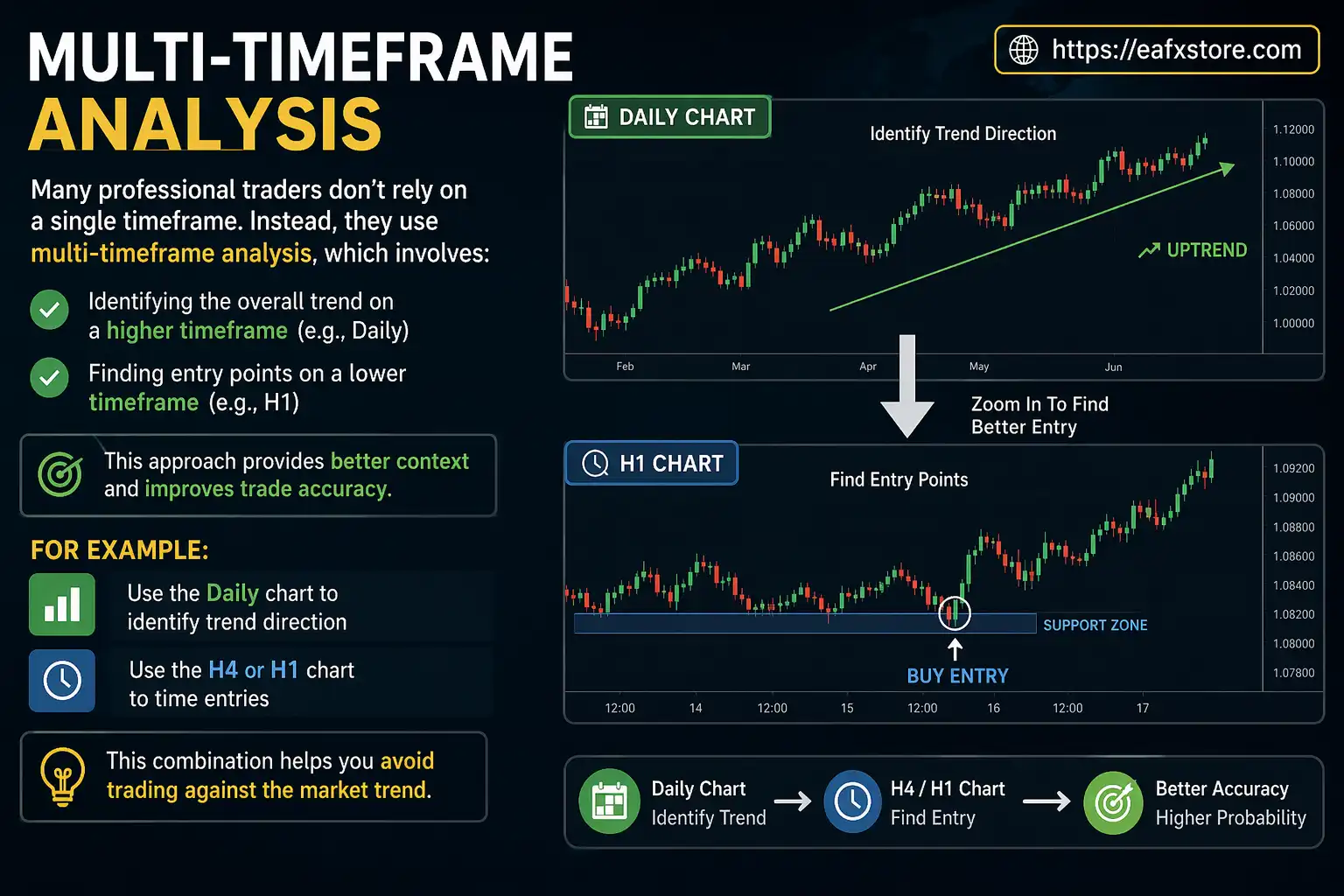
Many professional traders don’t rely on a single timeframe. Instead, they use multi-timeframe analysis, which involves:
- Identifying the overall trend on a higher timeframe (e.g., Daily)
- Finding entry points on a lower timeframe (e.g., H1)
This approach provides better context and improves trade accuracy.
For example:
- Use the Daily chart to identify trend direction
- Use the H4 or H1 chart to time entries
This combination helps you avoid trading against the market trend.
Common Mistakes When Choosing Timeframes
Avoid these common pitfalls:
- Switching timeframes too often: Leads to inconsistency
- Using too many charts: Causes confusion
- Ignoring your lifestyle: Results in burnout
- Chasing fast profits: Often leads to losses
Consistency is more important than constantly searching for the “perfect” timeframe.
Final Thoughts
Choosing the best timeframe in Forex trading is not about finding a universal answer — it’s about finding what works for you. Your ideal timeframe depends on your lifestyle, personality, risk tolerance and trading strategy.
If you’re just starting out, consider beginning with higher timeframes like H4 or Daily. These provide clearer signals and reduce emotional stress. As you gain experience, you can experiment with lower timeframes if they suit your trading style.
Remember, successful trading is not about speed — it’s about consistency, discipline and understanding the market.