How CFD Trading Works in Forex: Simple Guide for Beginners

Foreign exchange trading, commonly known as Forex, is one of the largest and most liquid financial markets in the world. Among the many ways traders participate in this market, Contract for Difference (CFD) trading has become increasingly popular, especially among beginners. If you are new to trading and wondering how CFDs work in Forex, this guide will walk you through everything you need to know in a simple and practical way.
What Is CFD Trading in Forex?
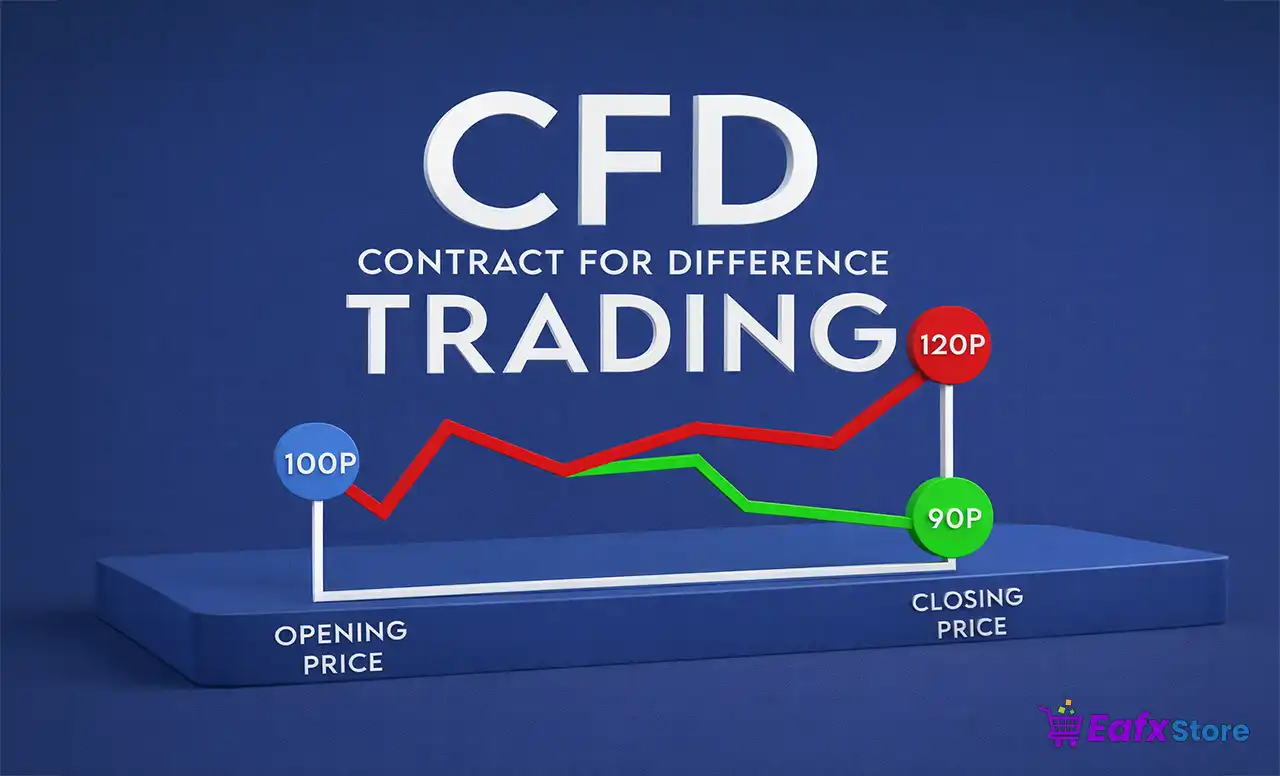
CFD stands for Contract for Difference. It is a financial derivative that allows traders to speculate on the price movements of currency pairs without actually owning the underlying asset. Instead of buying or selling physical currencies, you enter into a contract with a broker to exchange the difference in price from the time you open the trade to when you close it.
In Forex CFD trading, you are essentially predicting whether a currency pair (like EUR/USD or GBP/USD) will go up or down. If your prediction is correct, you make a profit. If it is wrong, you incur a loss.
This method is attractive to beginners because it simplifies access to the Forex market and allows trading with smaller amounts of capital.
How CFD Trading Works Step by Step
Understanding how CFD trading works can seem complicated at first, but it becomes much clearer when broken down into simple steps.
First, you choose a currency pair you want to trade. For example, EUR/USD represents the euro against the US dollar.
Second, you decide whether you think the price will rise or fall. If you believe the euro will strengthen against the dollar, you open a “buy” position (also called going long). If you think the euro will weaken, you open a “sell” position (going short).
Third, you select your trade size and apply leverage if needed. Leverage allows you to control a larger position with a smaller amount of money, but it also increases risk.
Finally, you close the trade. Your profit or loss is determined by the difference between the opening and closing prices of the currency pair.
Example of a CFD Forex Trade
Let’s look at a simple example to make things clearer.
Suppose EUR/USD is trading at 1.1000. You believe the price will rise, so you open a buy position.
If the price increases to 1.1050 and you close your trade, you gain 50 pips (the unit of price movement in Forex). Depending on your trade size, this results in a profit.
On the other hand, if the price drops to 1.0950, you lose 50 pips, resulting in a loss.
The key idea is that you are not buying euros or selling dollars physically. You are simply trading on price movements.
Key Features of CFD Trading in Forex
CFD trading has several important characteristics that make it different from traditional investing.
One of the main features is leverage. With leverage, you can open positions larger than your account balance. For example, with 1:100 leverage, you can control $10,000 with just $100. While this can increase profits, it can also amplify losses.
Another key feature is the ability to go long or short easily. Unlike traditional investments where you typically profit only when prices rise, CFDs allow you to benefit from both rising and falling markets.
CFDs also offer access to global markets with relatively low capital requirements, making them ideal for beginners who want to start small.
Advantages of CFD Trading for Beginners
CFD trading offers several benefits that make it appealing to new traders.
One of the biggest advantages is accessibility. You can start trading with a relatively small amount of money compared to traditional Forex trading.
Another advantage is flexibility. Since you can trade both upward and downward price movements, there are more opportunities to profit in different market conditions.
CFDs also provide fast execution and high liquidity, especially in the Forex market, which operates 24 hours a day during weekdays.
Additionally, many brokers offer demo accounts, allowing beginners to practice trading without risking real money.
Risks of CFD Trading You Should Know
While CFD trading can be profitable, it also comes with significant risks, especially for beginners.
Leverage is a double-edged sword. While it can magnify profits, it can also lead to large losses that exceed your initial investment if not managed properly.
Market volatility is another risk. Forex prices can change rapidly due to economic news, political events, or market sentiment.
There is also the risk of overtrading. Beginners often open too many trades without a clear strategy, leading to unnecessary losses.
Finally, emotional trading can negatively impact decisions. Fear and greed often cause traders to make impulsive moves instead of following a plan.
Important Terms Every Beginner Should Know
Before you start CFD trading in Forex, it is essential to understand some basic terms.
Pip: The smallest price movement in a currency pair.
Spread: The difference between the buy and sell price offered by a broker.
Margin: The amount of money required to open a leveraged position.
Leverage: A tool that allows you to control larger trades with smaller capital.
Lot size: The volume of your trade.
Understanding these terms will help you make more informed trading decisions.
Tips for Successful CFD Trading in Forex
To improve your chances of success, consider following these practical tips.
Start with a demo account to practice without financial risk. This helps you understand how the market works and build confidence.
Always use risk management tools such as stop-loss and take-profit orders. These help limit losses and lock in profits.
Avoid using high leverage in the beginning. While it may seem attractive, it significantly increases your risk.
Develop a trading plan and stick to it. A good plan includes entry and exit strategies, risk tolerance, and clear goals.
Keep learning continuously. The Forex market is dynamic and staying informed will improve your trading skills over time.
Choosing the Right CFD Broker
Selecting a reliable broker is crucial for your trading success.
Look for brokers that are regulated by reputable financial authorities. Regulation ensures a certain level of safety and transparency.
Check the trading platform offered. A user-friendly platform with useful tools and charts can make a big difference.
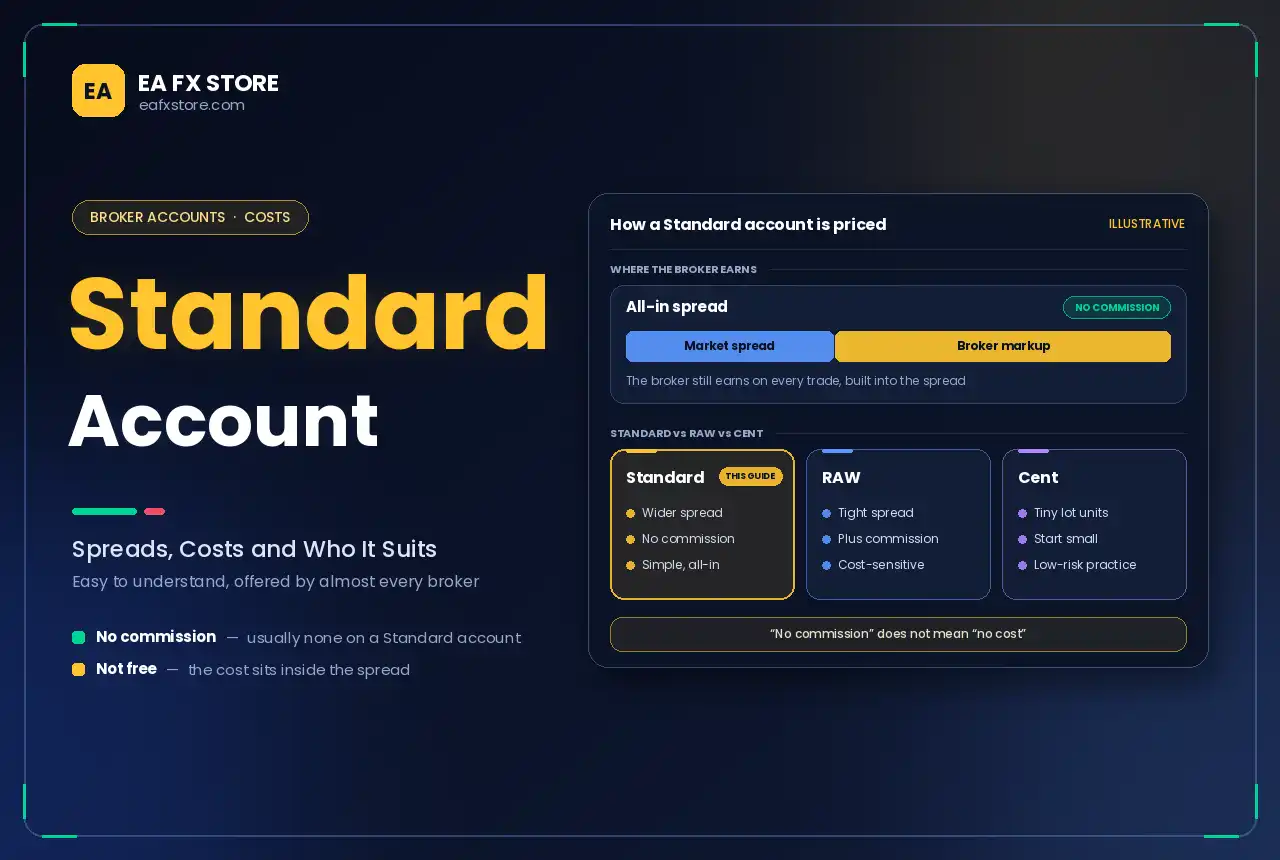
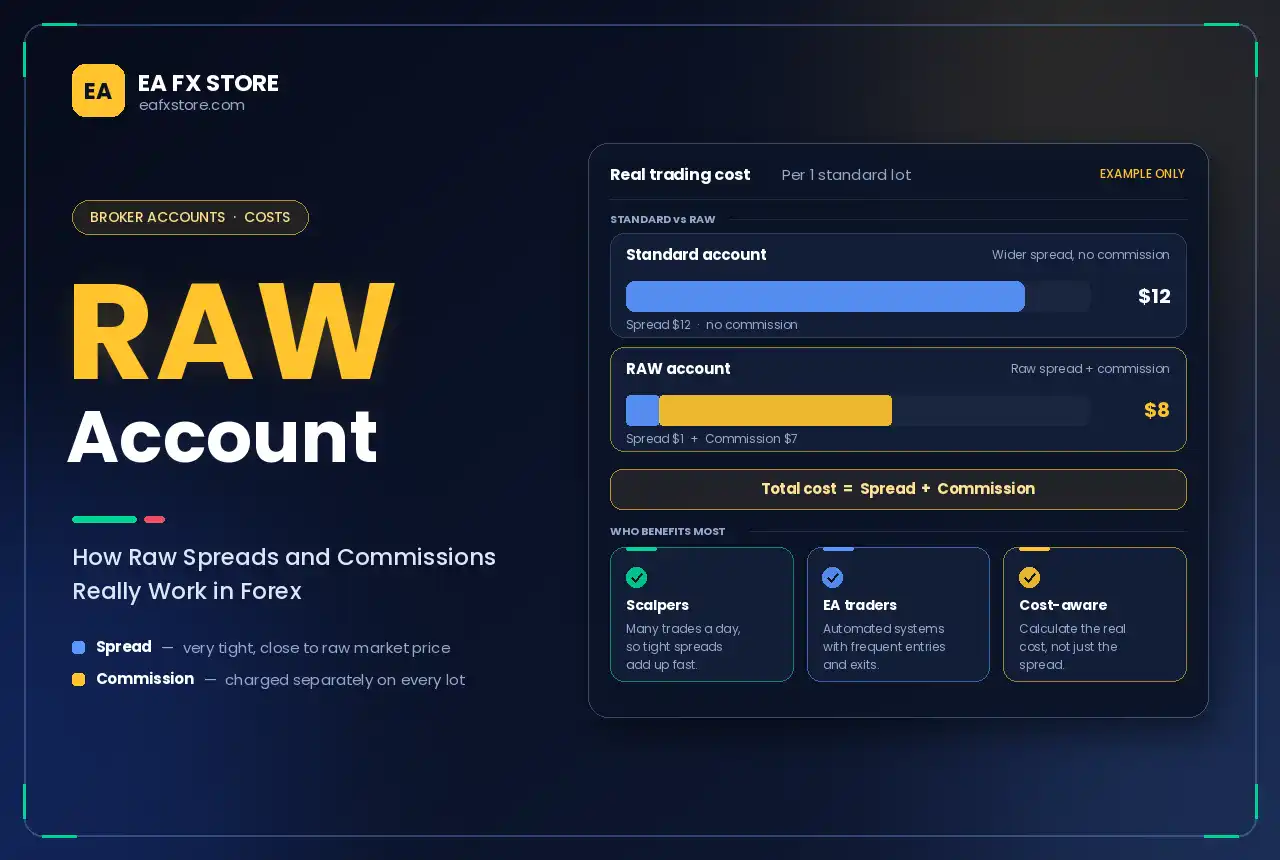
Pay attention to spreads, fees, and commissions. Lower costs mean higher potential profits.
Customer support is also important. Reliable support can help resolve issues quickly when they arise.
Is CFD Forex Trading Right for You?
CFD trading in Forex can be an excellent opportunity for beginners, but it is not suitable for everyone.
If you are willing to learn, practice, and manage risks carefully, CFD trading can be a flexible and potentially rewarding way to participate in the financial markets.
However, if you are looking for guaranteed profits or are not prepared to handle losses, this type of trading may not be the best choice.
Conclusion
CFD trading in Forex offers a simple and accessible way for beginners to enter the global currency market. By allowing traders to speculate on price movements without owning the underlying asset, CFDs provide flexibility, leverage, and the ability to profit in both rising and falling markets.
However, with these opportunities come risks. Understanding how CFDs work, learning key concepts, and applying proper risk management strategies are essential for long-term success.