CFD Trading Explained: How to Profit in Forex Markets

The global financial markets offer countless opportunities for traders, but few are as accessible and dynamic as the Forex market. Among the many trading instruments available, Contracts for Difference (CFDs) have gained significant popularity due to their flexibility, leverage, and potential for profit. If you’ve ever wondered how traders make money from currency price movements without actually owning the assets, CFD trading is the answer.
In this comprehensive guide, we’ll break down what CFD trading is, how it works in Forex markets, and most importantly, how you can use it strategically to generate profits. Whether you’re a beginner or someone looking to refine your trading approach, this article will provide a solid foundation.
What is CFD Trading?
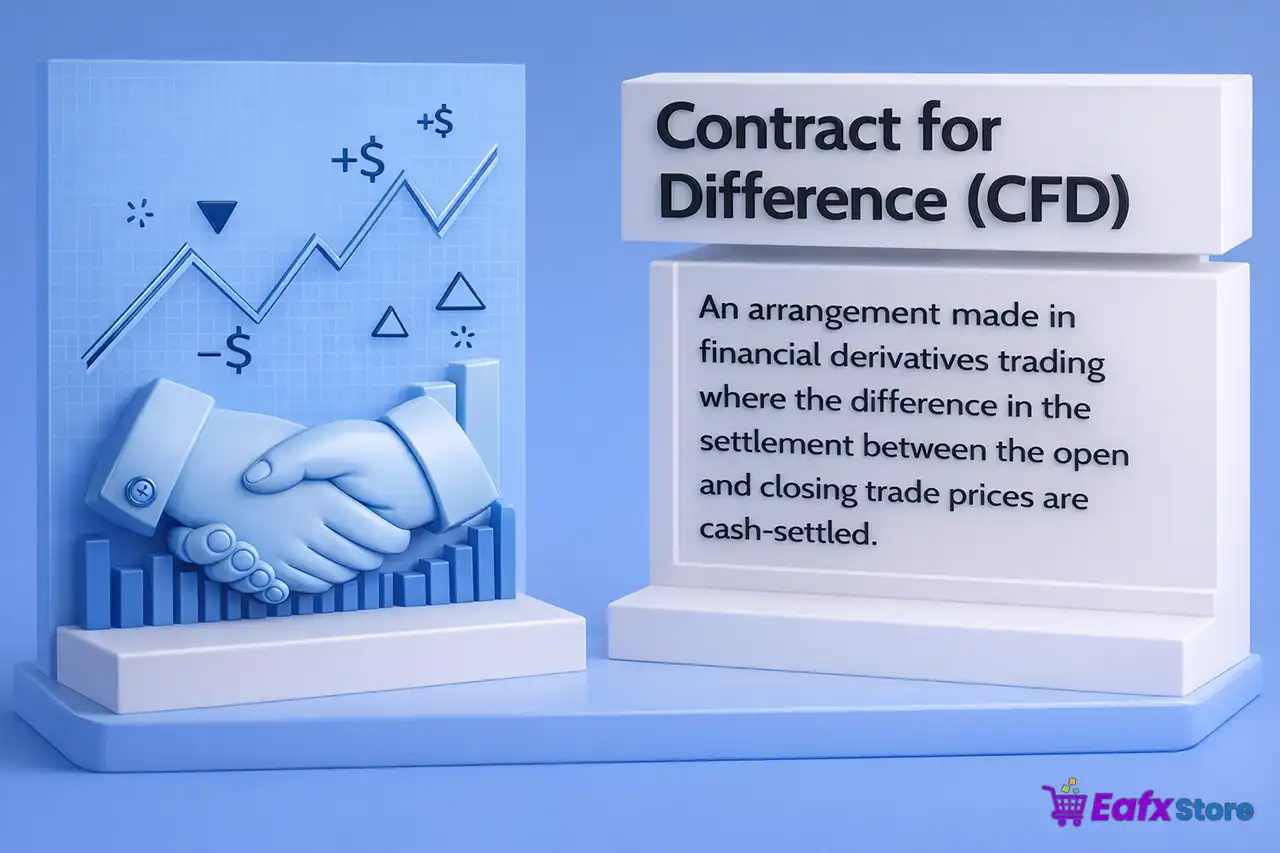
CFD stands for Contract for Difference. It is a financial derivative that allows traders to speculate on the price movement of an asset without owning the underlying asset itself. In Forex trading, CFDs enable you to trade currency pairs such as EUR/USD, GBP/USD or USD/JPY by predicting whether their prices will rise or fall.
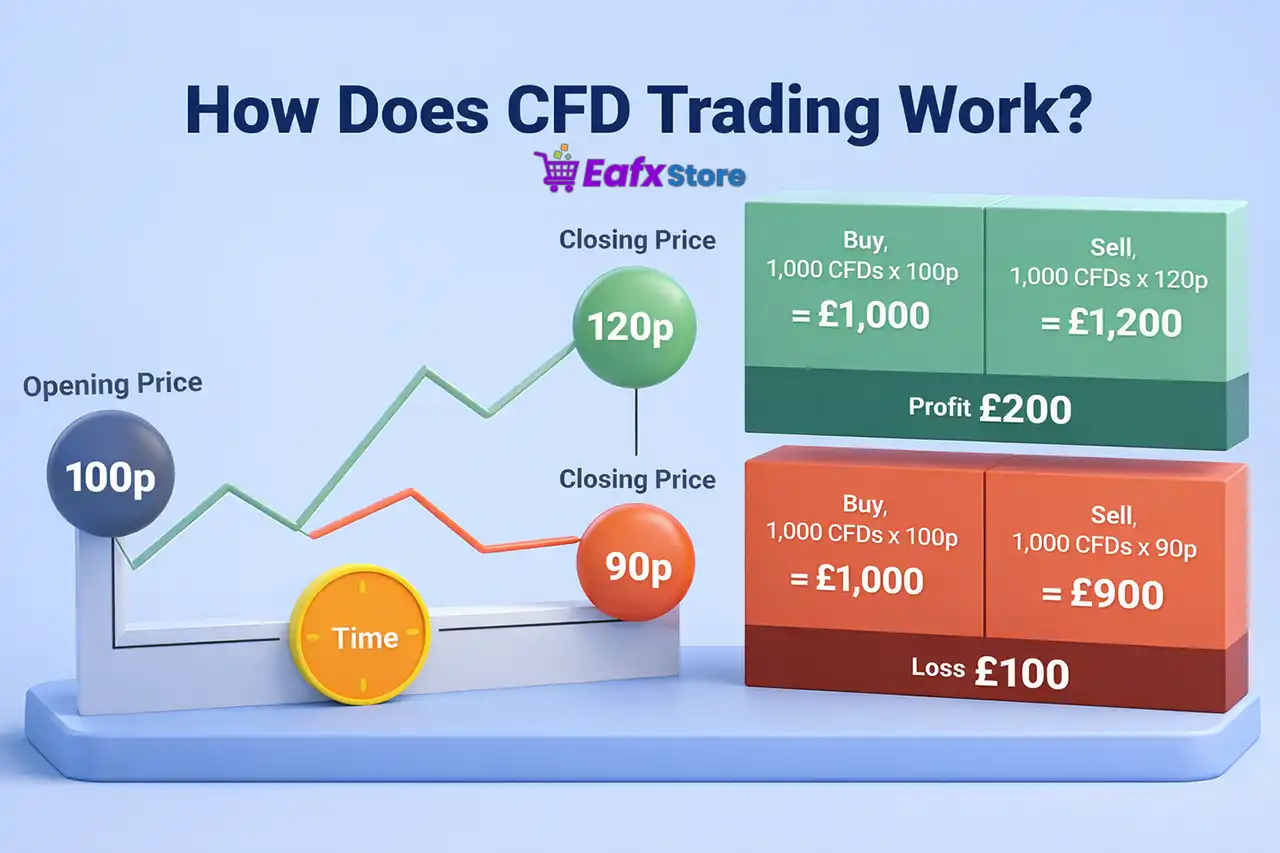
Instead of buying or selling actual currencies, you enter into a contract with a broker. The contract reflects the difference in the price of the asset between the time you open and close the trade. If your prediction is correct, you earn a profit, if not, you incur a loss.
One of the key advantages of CFDs is that they allow traders to profit in both rising and falling markets. This means you can go long (buy) if you expect prices to increase or go short (sell) if you anticipate a decline.
How CFD Trading Works in Forex
Understanding how CFD trading operates in the Forex market is crucial before you start trading. When you trade Forex CFDs, you are essentially speculating on the exchange rate between two currencies.
For example, if you believe the euro will strengthen against the US dollar, you would open a buy position on EUR/USD. If the price rises, you profit from the difference. Conversely, if you expect the euro to weaken, you would open a sell position and profit if the price drops.
CFD trading is typically conducted through online trading platforms provided by brokers. These platforms offer real-time price charts, technical indicators, and tools that help traders analyze the market and execute trades efficiently.
Another important concept is the spread, which is the difference between the buy and sell price. This is how brokers often make money, and it’s a cost traders need to consider.
The Role of Leverage in CFD Trading
Leverage is one of the defining features of CFD trading. It allows traders to control larger positions with a relatively small amount of capital. For example, with a leverage ratio of 1:100, you can control a $10,000 position with just $100.
While leverage can significantly amplify profits, it also increases risk. A small unfavorable price movement can lead to substantial losses. Therefore, risk management becomes essential when trading with leverage.
Successful traders use leverage cautiously. They avoid overexposing their accounts and always ensure they have sufficient margin to sustain market fluctuations.
Benefits of Trading CFDs in Forex Markets
CFD trading offers several advantages that make it attractive to both beginner and experienced traders.
One of the main benefits is accessibility. You can start trading with a relatively small amount of capital compared to traditional investing. Additionally, Forex markets operate 24 hours a day, five days a week, providing flexibility for traders in different time zones.
Another advantage is the ability to profit in both bullish and bearish markets. This flexibility allows traders to take advantage of market volatility rather than being limited to upward trends.
CFDs also provide access to a wide range of markets beyond Forex, including commodities, indices, and cryptocurrencies. This diversification can help traders spread risk and explore multiple opportunities.
Risks Associated with CFD Trading
While CFD trading offers significant opportunities, it also comes with considerable risks. Understanding these risks is essential for long-term success.
The most prominent risk is leverage. As mentioned earlier, leverage can magnify losses just as much as it amplifies profits. Many beginner traders underestimate this risk and end up losing their capital quickly.
Market volatility is another factor. Forex markets can be highly unpredictable, especially during major economic announcements or geopolitical events. Prices can move rapidly, leading to unexpected losses.
Additionally, there is the risk of overtrading. The ease of access and fast-paced nature of CFD trading can tempt traders to make impulsive decisions. Without a clear strategy, this can lead to consistent losses.
Strategies to Profit from CFD Forex Trading
To succeed in CFD trading, having a well-defined strategy is essential. Here are some proven approaches that traders use to maximize their chances of profitability.
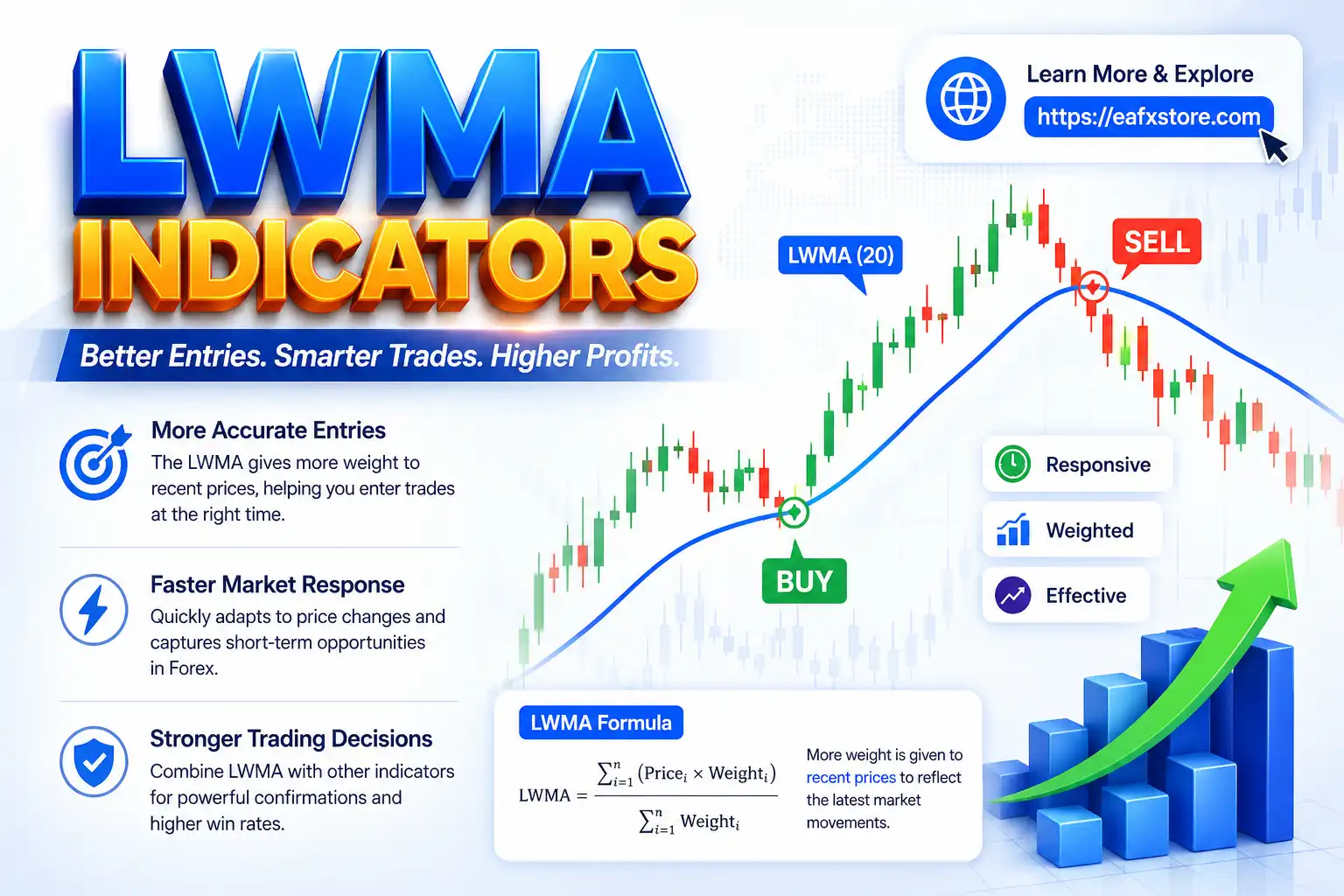
One common strategy is trend following. This involves identifying the direction of the market and trading in alignment with that trend. Traders use technical indicators such as moving averages to confirm trends and make informed decisions.
Another popular method is day trading, where positions are opened and closed within the same day. This strategy focuses on short-term price movements and requires constant monitoring of the market.
Swing trading is another approach that involves holding positions for several days or weeks to capture larger price movements. This strategy requires patience and a good understanding of market cycles.
Scalping, on the other hand, focuses on making small profits from minor price changes. Traders execute multiple trades throughout the day, aiming to accumulate gains over time.
Regardless of the strategy you choose, consistency and discipline are key. Successful traders stick to their plans and avoid emotional decision-making.
Risk Management Techniques
Risk management is arguably the most important aspect of CFD trading. Even the best strategies can fail without proper risk control.
One essential technique is setting Stop Loss (SL) and Take Profit (TP) orders. This allows you to limit potential losses by automatically closing a trade when the price reaches a certain level.
Position sizing is another critical factor. Traders should never risk a large portion of their capital on a single trade. A common rule is to risk no more than 1–2% of your account balance per trade.
Diversification can also help reduce risk. Instead of focusing on a single currency pair, traders can spread their investments across multiple pairs to minimize exposure.
Finally, maintaining a trading journal can help you track your performance, identify mistakes and improve your strategy over time.
Psychological Aspects of Trading
Trading is not just about analysis and strategy, it also involves psychology. Emotions such as fear and greed can significantly impact decision-making.
Fear can cause traders to exit positions prematurely, missing out on potential profits. On the other hand, greed can lead to overtrading or holding onto losing positions for too long.
Developing emotional discipline is crucial. Successful traders remain calm under pressure and stick to their trading plans regardless of market conditions.
Patience is another important trait. Not every moment in the market presents a trading opportunity. Waiting for the right setup can make a significant difference in your overall performance.
Choosing the Right CFD Broker
Selecting a reliable broker is a crucial step in your trading journey. A good broker provides a secure trading environment, competitive spreads, and access to advanced trading tools.
When choosing a broker, consider factors such as regulation, fees, available assets and customer support. A regulated broker ensures that your funds are protected and that the trading environment is fair.
It’s also important to test the platform through a demo account before committing real money. This allows you to familiarize yourself with the interface and practice your strategies without risk.
Conclusion
CFD trading in Forex markets offers an exciting opportunity to profit from currency price movements without owning the underlying assets. With features like leverage, the ability to trade both rising and falling markets, and access to global markets, CFDs have become a popular choice among traders.
However, success in CFD trading requires more than just understanding the basics. It demands a solid strategy, effective risk management, and strong emotional discipline. While the potential for profit is significant, so are the risks.
By educating yourself, practicing consistently, and approaching the market with a disciplined mindset, you can increase your chances of becoming a successful CFD trader in the Forex market.
Ultimately, trading is a journey. The more you learn and adapt, the better equipped you’ll be to navigate the complexities of the financial markets and achieve your trading goals.