CFD vs Forex: Key Differences Every Trader Should Know

Introduction
In the world of online trading, two of the most popular markets are CFD trading and Forex trading. While they are often mentioned together and even share similar platforms, they are not the same. Many beginner traders confuse CFDs with Forex, assuming they are interchangeable. However, understanding the differences between these two can significantly impact your trading strategy, risk management and overall success.
This guide will break down the key differences between CFD and Forex trading, helping you decide which market aligns best with your goals. Whether you are a beginner or an experienced trader looking to diversify, this comprehensive comparison will provide clarity.
What is Forex Trading?
Forex, or foreign exchange trading, involves buying and selling currency pairs. The goal is to profit from changes in exchange rates between two currencies.
For example, when trading EUR/USD, you are speculating on whether the euro will strengthen or weaken against the US dollar. Forex is the largest financial market in the world, with daily trading volumes exceeding trillions of dollars.
Key characteristics of Forex trading include:
- Trading currency pairs such as EUR/USD, GBP/USD, and USD/JPY
- High liquidity due to massive global participation
- Typically lower spreads compared to other markets
- Trading occurs 24 hours a day, five days a week
Forex trading is primarily influenced by macroeconomic factors such as interest rates, inflation, geopolitical events, and central bank policies.
What is CFD Trading?
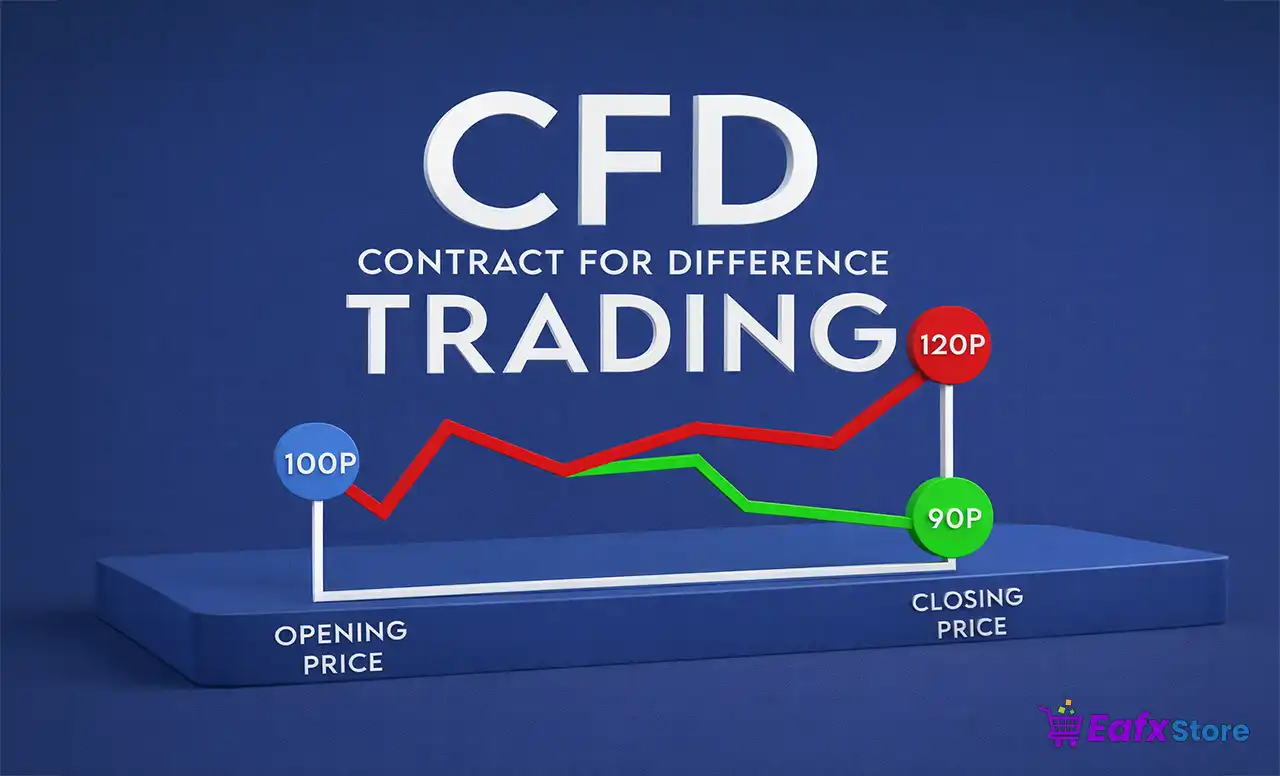
CFD stands for Contract for Difference. It is a derivative product that allows traders to speculate on the price movements of various financial assets without owning the underlying asset.
With CFDs, you can trade a wide range of instruments, including:
- Stocks
- Commodities (gold, oil)
- Indices (S&P 500, NASDAQ)
- Cryptocurrencies
- Forex pairs
Instead of buying the asset itself, you enter into a contract with a broker to exchange the difference in price between the opening and closing of a trade.
Key features of CFD trading include:
- Access to multiple markets from one platform
- Ability to go long (buy) or short (sell)
- Use of leverage to amplify potential returns
- No ownership of the underlying asset
Key Differences Between CFD and Forex
1. Market Scope
The most obvious difference lies in the scope of markets available.
Forex trading is limited strictly to currency pairs. While there are many combinations, your focus remains on exchange rates.
CFD trading, on the other hand, offers access to a much broader range of markets. You can trade stocks, commodities, indices, and even cryptocurrencies—all under one account.
This makes CFDs more versatile for traders who want diversification.
2. Asset Ownership
In both Forex and CFD trading, you do not actually own the underlying asset. However, the concept is more prominent in CFD trading.
Forex trading involves direct participation in the currency market, even though it is still largely speculative.
CFDs are purely derivative contracts. You are only trading price movements, not the asset itself.
3. Trading Instruments
Forex trading focuses exclusively on currency pairs, which are categorized into:
- Major pairs (e.g., EUR/USD, USD/JPY)
- Minor pairs (e.g., EUR/GBP, AUD/NZD)
- Exotic pairs (e.g., USD/TRY, EUR/ZAR)
CFDs, however, cover a wide spectrum of instruments. This allows traders to capitalize on opportunities across different sectors and global markets.
4. Market Influences
Forex markets are heavily influenced by:
- Central bank decisions
- Interest rate changes
- Economic indicators (GDP, employment data)
- Political stability
CFD markets depend on the underlying asset. For example:
- Stock CFDs are influenced by company performance
- Commodity CFDs react to supply and demand
- Index CFDs follow overall market sentiment
This means CFD traders need to analyze different types of data depending on the asset.
5. Trading Hours
Forex markets operate 24 hours a day during weekdays due to overlapping global trading sessions.
CFD trading hours vary depending on the asset:
- Stock CFDs follow exchange hours
- Commodity CFDs may have specific trading sessions
- Some indices offer extended trading hours
This flexibility can be both an advantage and a limitation.
6. Leverage and Margin
Both Forex and CFD trading offer leverage, allowing traders to control larger positions with smaller capital.
However, leverage levels may differ depending on:
- Broker regulations
- Asset class
- Geographic location
Forex trading often offers higher leverage compared to CFDs, especially for major currency pairs.
While leverage can increase profits, it also amplifies losses, making risk management essential.
7. Costs and Fees
Forex trading typically involves:
- Spreads (difference between bid and ask price)
- Sometimes commissions (depending on account type)
CFD trading may include:
- Spreads
- Commissions (especially for stock CFDs)
- Overnight financing fees (swap fees)
These additional costs can impact long-term profitability in CFD trading.
8. Volatility
Forex markets are generally less volatile compared to some CFD assets like cryptocurrencies or individual stocks.
However, volatility in Forex can spike during major economic announcements.
CFDs offer access to highly volatile markets, which can provide greater profit opportunities but also higher risks.
Advantages of Forex Trading
Forex trading offers several benefits:
- High liquidity ensures quick trade execution
- Lower transaction costs in most cases
- Simpler market focus (currencies only)
- Suitable for both short-term and long-term strategies
It is particularly appealing to traders who prefer macroeconomic analysis and stable market conditions.
Advantages of CFD Trading
CFD trading stands out for its flexibility and diversity:
- Access to multiple asset classes
- Opportunity to profit in rising and falling markets
- Ability to hedge existing portfolios
- Exposure to global markets from a single platform
CFDs are ideal for traders who want to explore different markets without needing multiple accounts.
Risks of Forex and CFD Trading
Both trading types carry significant risks.
Common risks include:
- High leverage leading to large losses
- Market volatility causing unpredictable price movements
- Emotional trading decisions
- Lack of proper risk management
CFDs may carry additional risks due to overnight fees and exposure to more volatile assets.
Forex trading risks are often tied to macroeconomic events and sudden market shifts.
Which is Better: CFD or Forex?
There is no one-size-fits-all answer. The better option depends on your trading style, experience and goals.
Choose Forex trading if you:
- Prefer a focused market
- Understand macroeconomic analysis
- Want lower trading costs
- Value high liquidity
Choose CFD trading if you:
- Want access to multiple markets
- Enjoy diversification
- Are interested in stocks, commodities, or crypto
- Seek more trading opportunities
Many experienced traders actually combine both, using Forex for stability and CFDs for diversification.
Tips for Choosing Between CFD and Forex
Before deciding, consider the following:
- Your level of experience
- Risk tolerance
- Trading strategy (scalping, swing trading, investing)
- Available capital
- Time commitment
It is also important to choose a reliable broker and practice with a demo account before trading with real money.
Conclusion
Understanding the differences between CFD and Forex trading is crucial for making informed decisions in the financial markets. While both offer opportunities for profit, they cater to different trading styles and objectives.
Forex trading provides a more focused and liquid market centered on currencies, making it ideal for those who prefer macroeconomic analysis. CFD trading, on the other hand, offers flexibility and access to a wide range of assets, appealing to traders who seek diversity.
Ultimately, the best choice depends on your personal preferences and trading goals. By understanding the strengths and limitations of each, you can build a more effective and sustainable trading strategy.