
Introduction
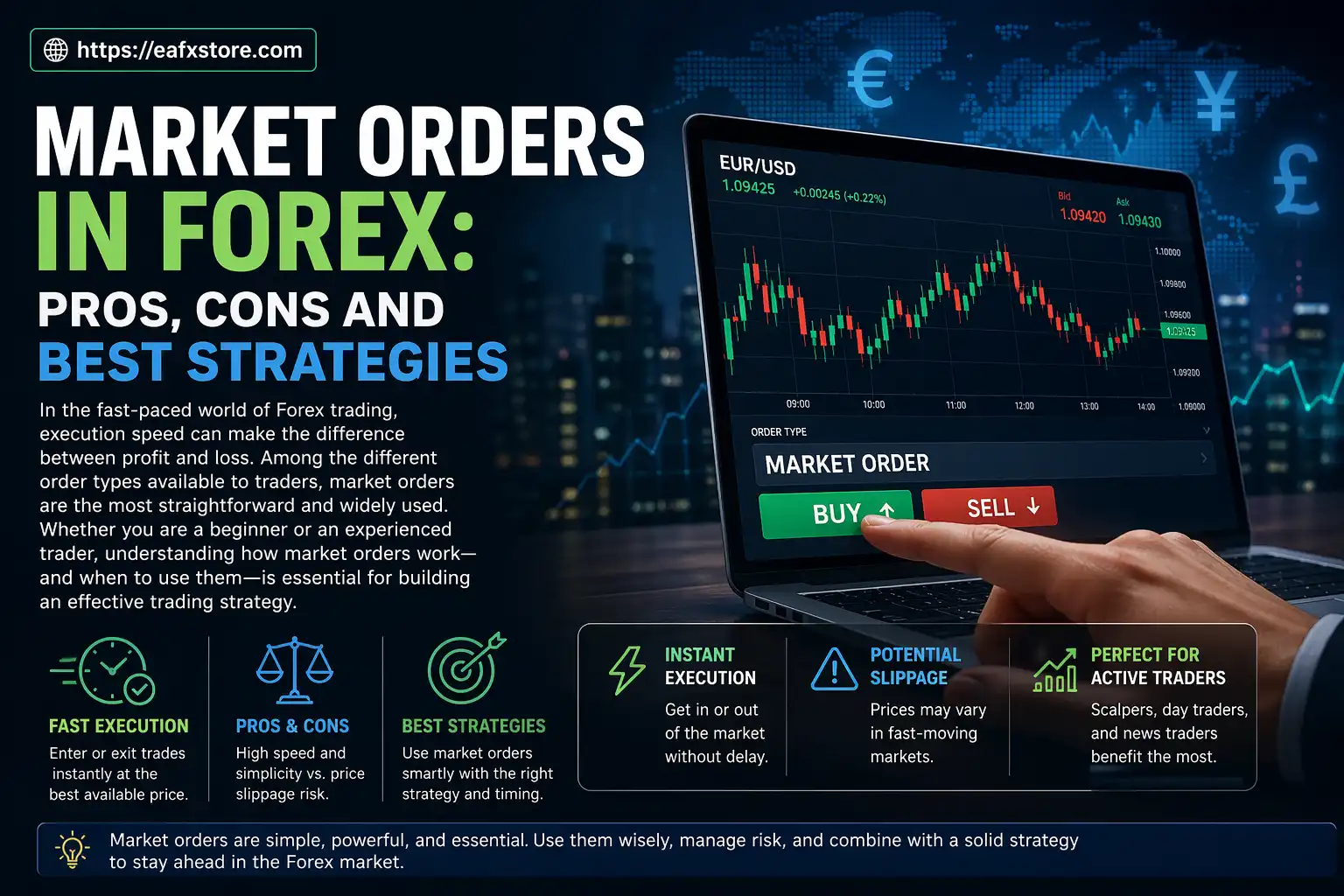
In the fast-paced world of Forex trading, execution speed can make the difference between profit and loss. Among the different order types available to traders, market orders are the most straightforward and widely used. Whether you are a beginner or an experienced trader, understanding how market orders work—and when to use them—is essential for building an effective trading strategy.
This article explores the fundamentals of market orders in Forex, their advantages and disadvantages and the best strategies for using them efficiently.
What is a Market Order in Forex?
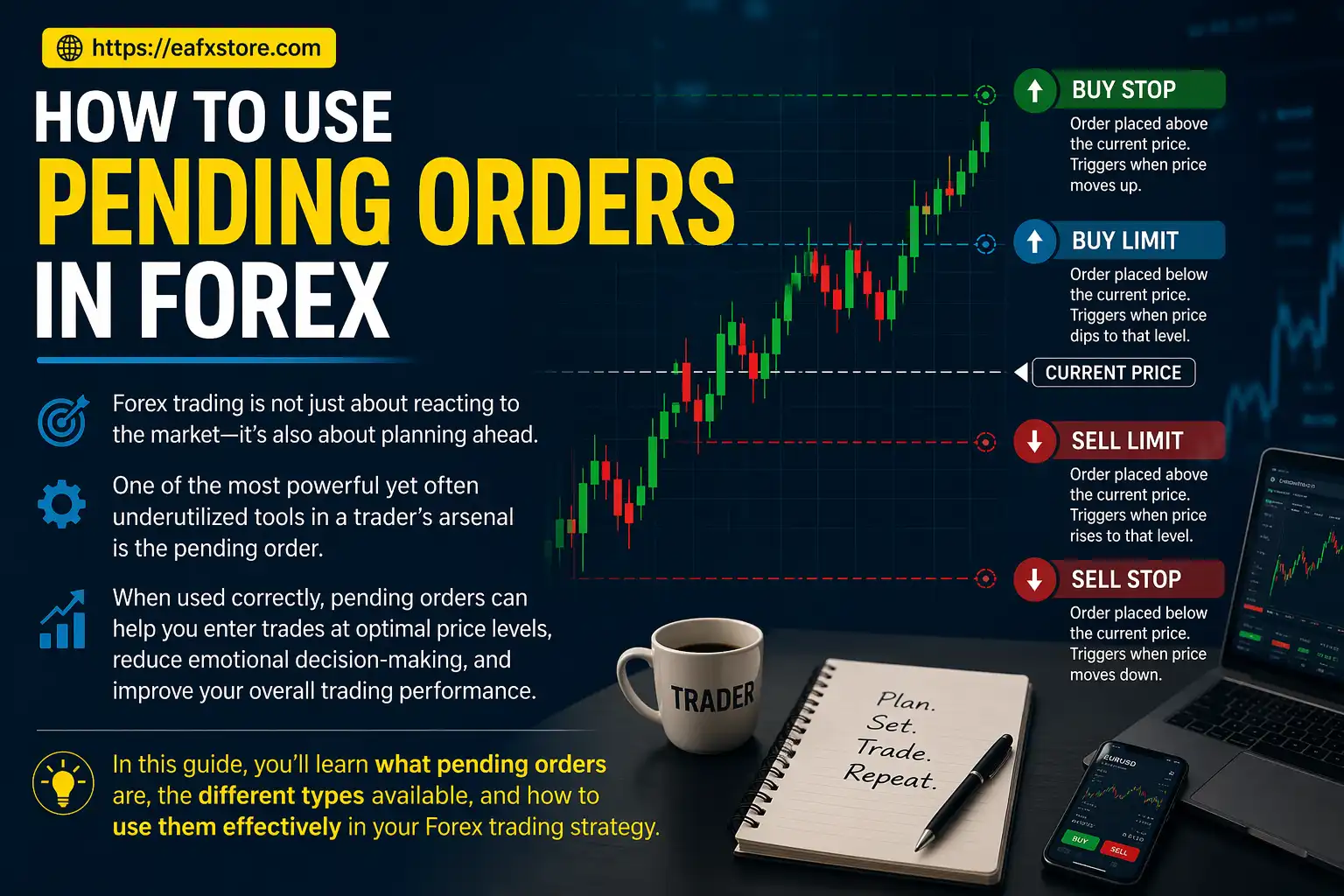
A market order is an instruction to buy or sell a currency pair immediately at the best available current price. Unlike Pending orders (such as limit or stop orders), market orders prioritize execution speed over price precision.
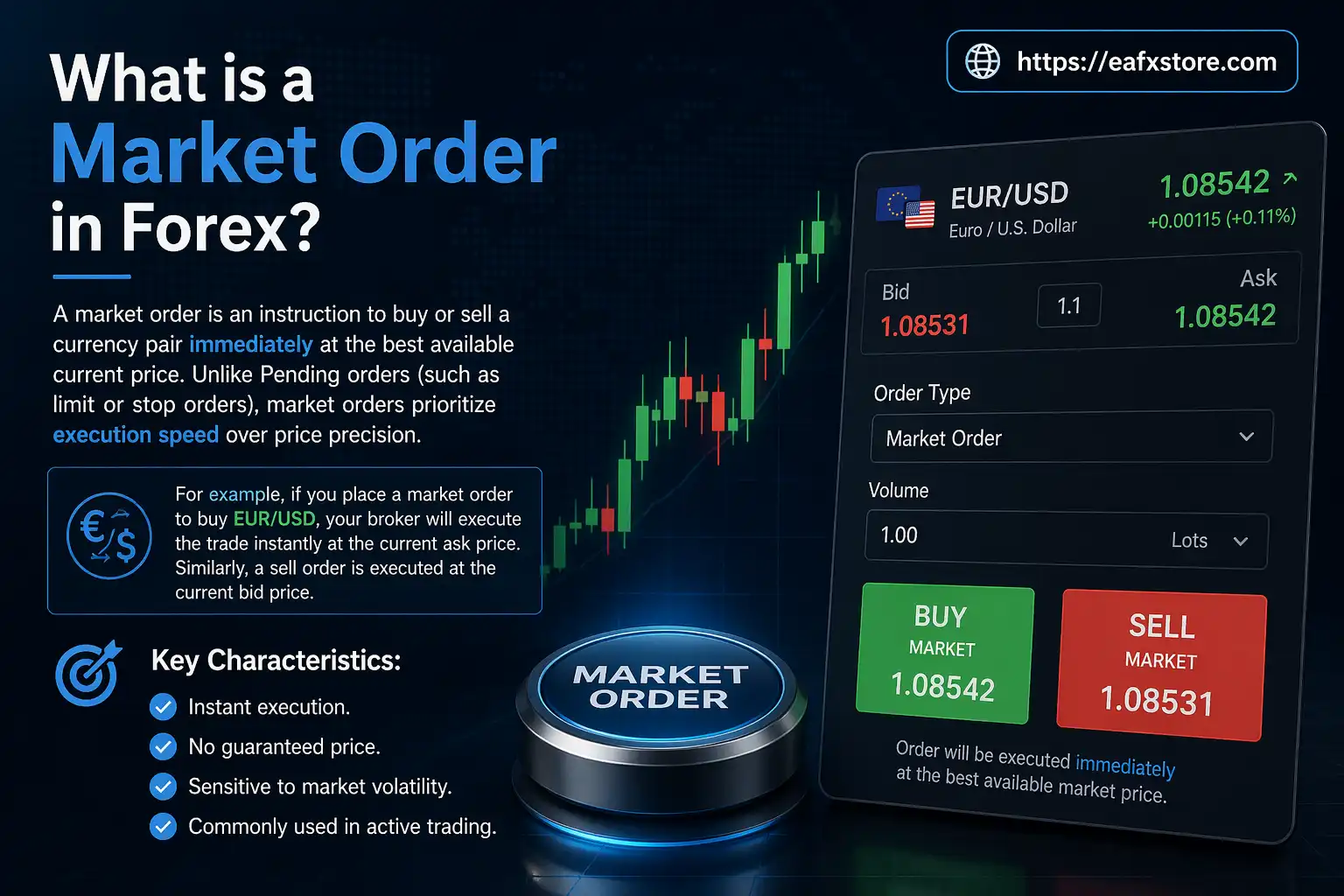
For example, if you place a market order to buy EUR/USD, your broker will execute the trade instantly at the current ask price. Similarly, a sell order is executed at the current bid price.
Key Characteristics:
- Instant execution.
- No guaranteed price.
- Sensitive to market volatility.
- Commonly used in active trading.
How Market Orders Work
When you click “Buy” or “Sell” on your trading platform, you are essentially placing a market order. The broker matches your order with the best available liquidity provider price.
However, due to rapid price fluctuations, especially during news events or high volatility periods, the final execution price may differ slightly from what you see on your screen. This difference is known as slippage.
Pros of Market Orders
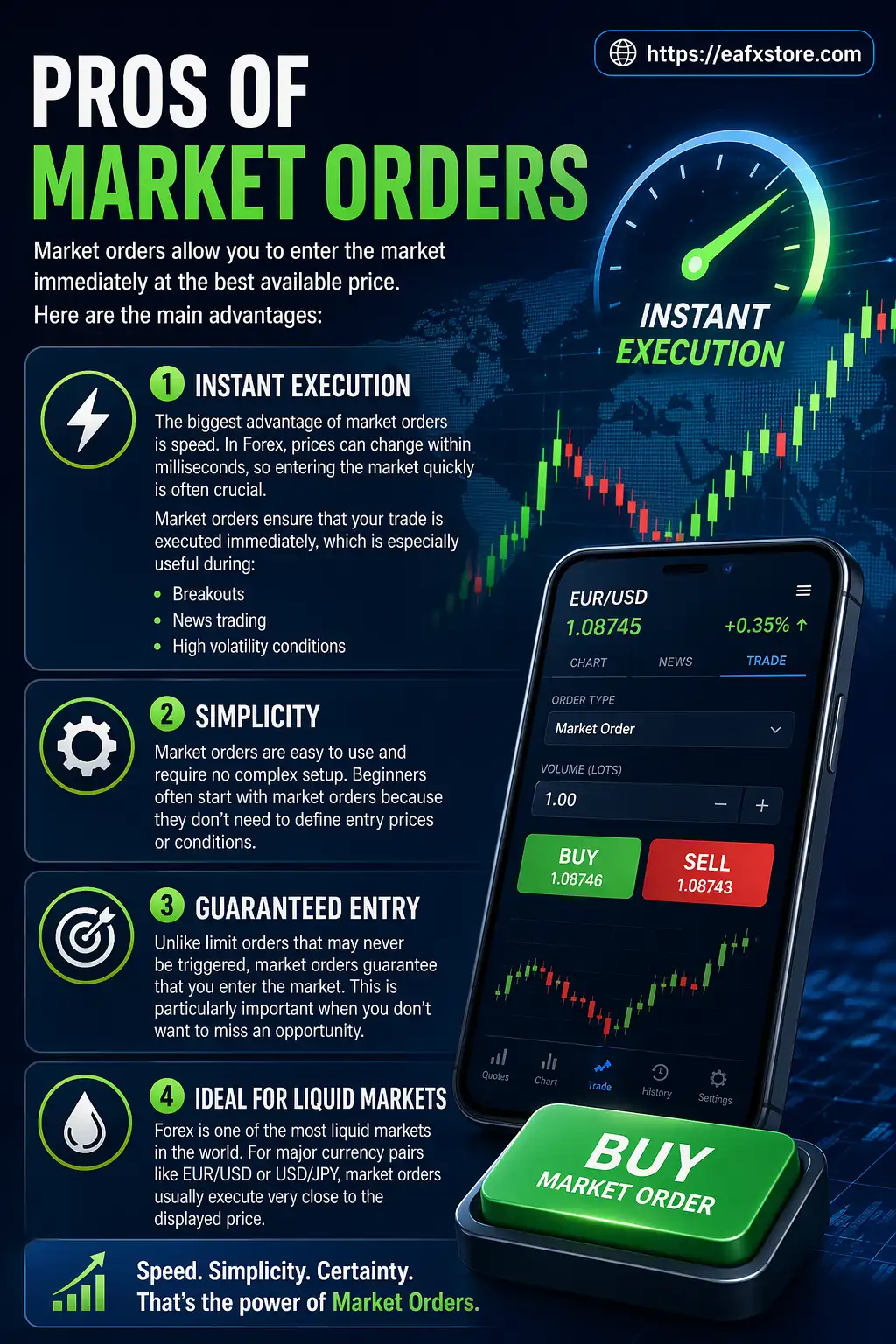
1. Instant Execution
The biggest advantage of market orders is speed. In Forex, prices can change within milliseconds, so entering the market quickly is often crucial.
Market orders ensure that your trade is executed immediately, which is especially useful during:
- Breakouts
- News trading
- High volatility conditions
2. Simplicity
Market orders are easy to use and require no complex setup. Beginners often start with market orders because they don’t need to define entry prices or conditions.
3. Guaranteed Entry
Unlike limit orders that may never be triggered, market orders guarantee that you enter the market. This is particularly important when you don’t want to miss an opportunity.
4. Ideal for Liquid Markets
Forex is one of the most liquid markets in the world. For major currency pairs like EUR/USD or USD/JPY, market orders usually execute very close to the displayed price.
Cons of Market Orders
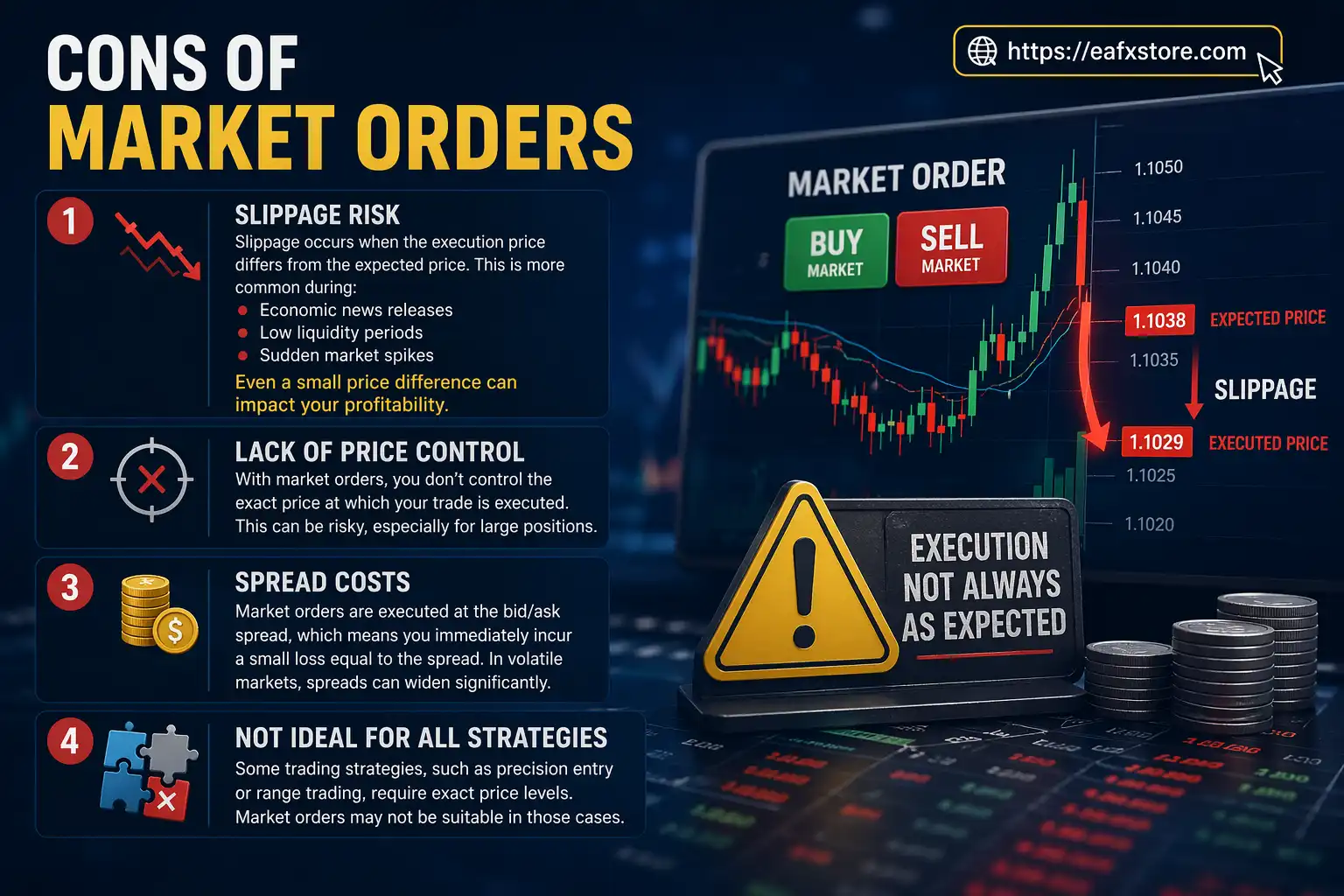
1. Slippage Risk
Slippage occurs when the execution price differs from the expected price. This is more common during:
- Economic news releases
- Low liquidity periods
- Sudden market spikes
Even a small price difference can impact your profitability.
2. Lack of Price Control
With market orders, you don’t control the exact price at which your trade is executed. This can be risky, especially for large positions.
3. Spread Costs
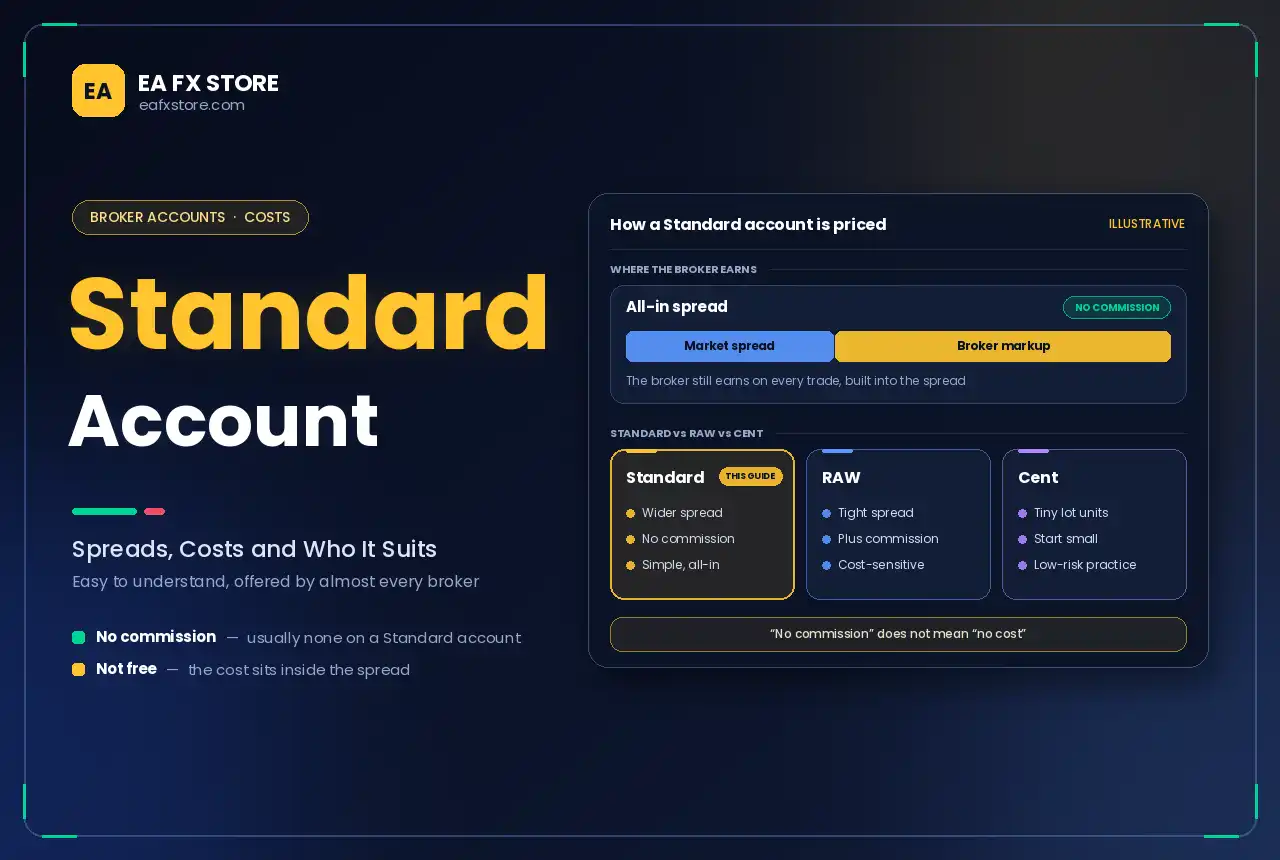
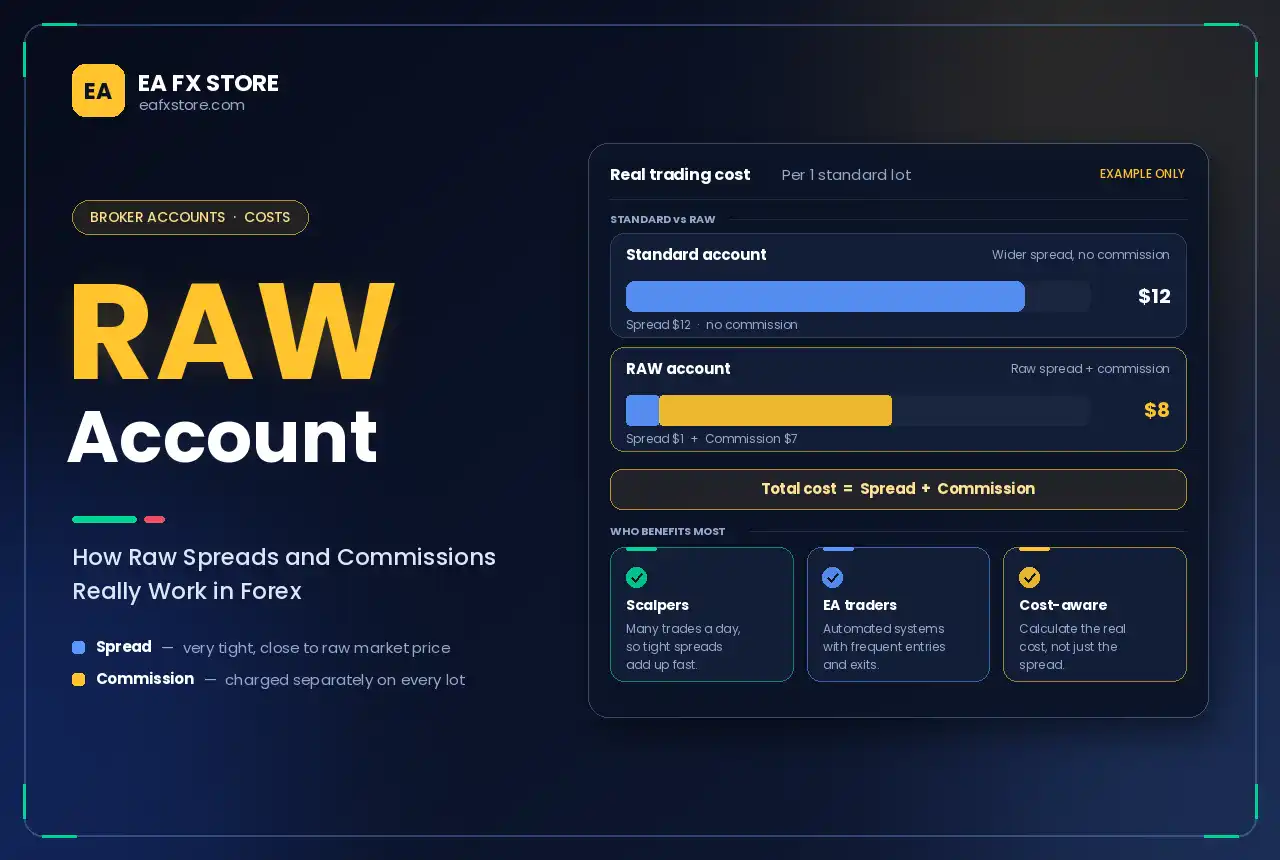
Market orders are executed at the bid/ask spread, which means you immediately incur a small loss equal to the spread. In volatile markets, spreads can widen significantly.
4. Not Ideal for All Strategies
Some trading strategies, such as precision entry or range trading, require exact price levels. Market orders may not be suitable in those cases.
When Should You Use Market Orders?
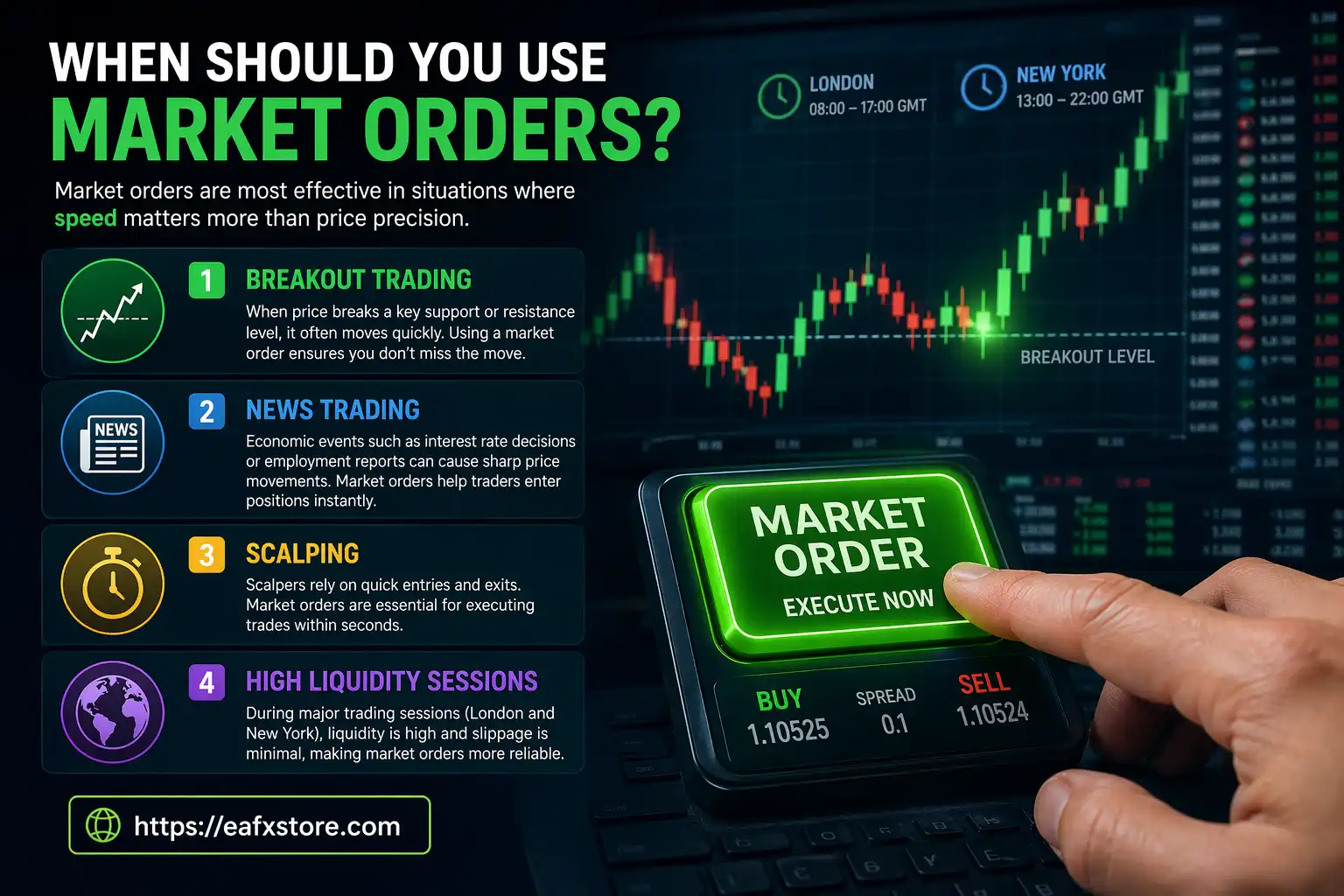
Market orders are most effective in situations where speed matters more than price precision. Here are some ideal scenarios:
1. Breakout Trading
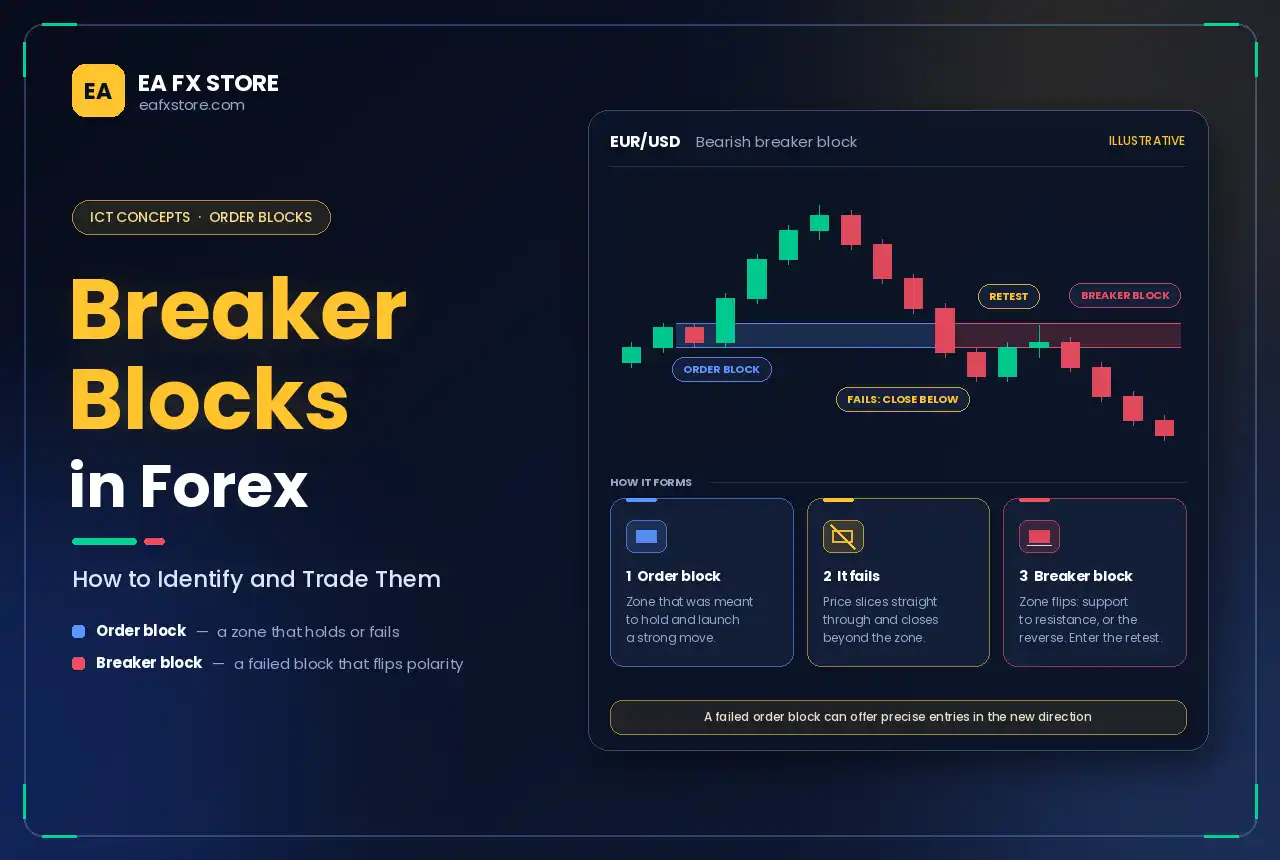
When price breaks a key support or resistance level, it often moves quickly. Using a market order ensures you don’t miss the move.
2. News Trading
Economic events such as interest rate decisions or employment reports can cause sharp price movements. Market orders help traders enter positions instantly.
3. Scalping
Scalpers rely on quick entries and exits. Market orders are essential for executing trades within seconds.
4. High Liquidity Sessions
During major trading sessions (London and New York), liquidity is high and slippage is minimal, making market orders more reliable.
Best Strategies for Using Market Orders
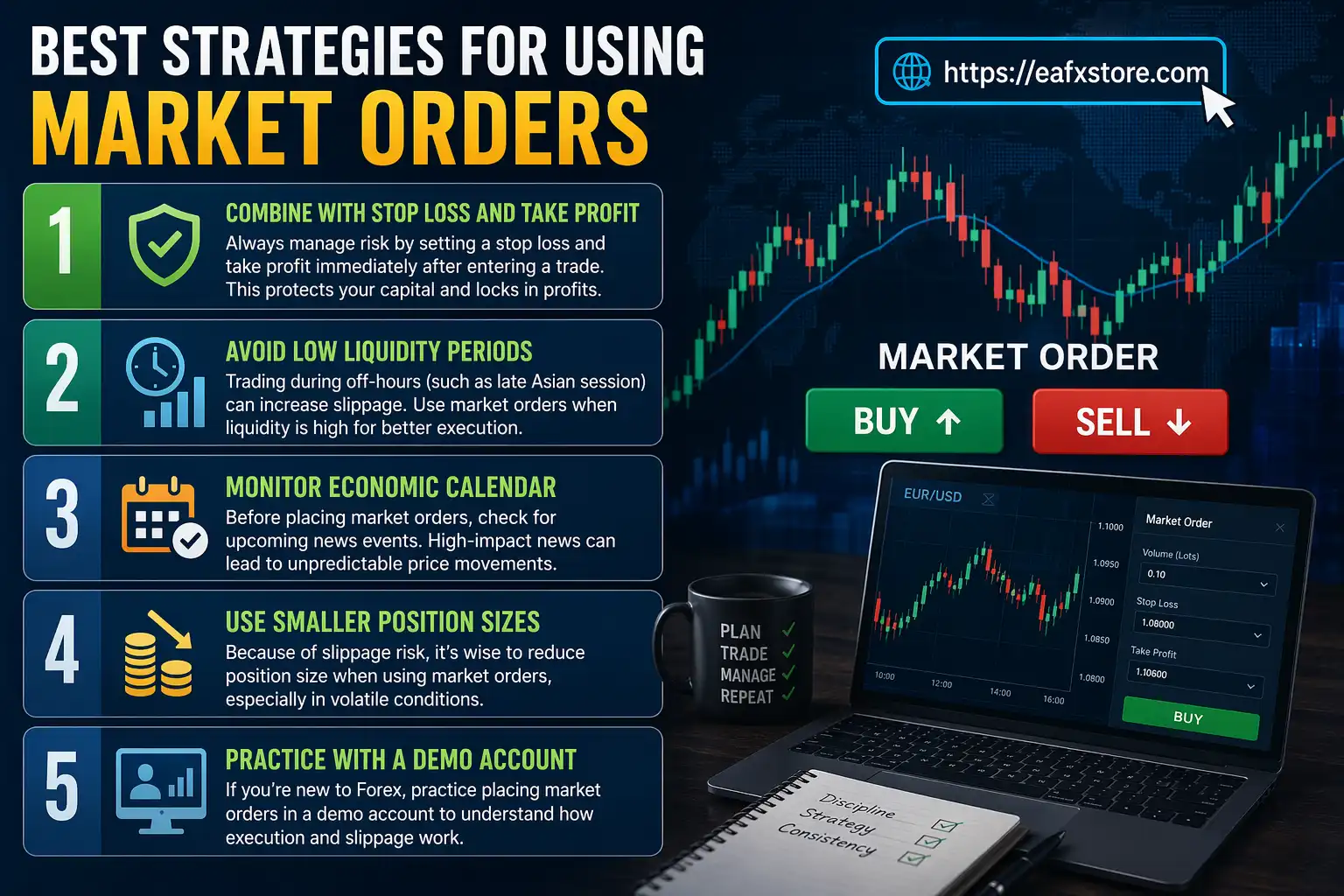
1. Combine with Stop Loss and Take Profit
Always manage risk by setting a Stop Loss (SL) and Take Profit (TP) immediately after entering a trade. This protects your capital and locks in profits.
2. Avoid Low Liquidity Periods
Trading during off-hours (such as late Asian session) can increase slippage. Use market orders when liquidity is high for better execution.
3. Monitor Economic Calendar
Before placing market orders, check for upcoming news events. High-impact news can lead to unpredictable price movements.
4. Use Smaller Position Sizes
Because of slippage risk, it’s wise to reduce position size when using market orders, especially in volatile conditions.
5. Practice with a Demo Account
If you’re new to Forex, practice placing market orders in a demo account to understand how execution and slippage work.
Market Orders vs Pending Orders
| Feature | Market Order | Pending Order |
|---|---|---|
| Execution Speed | Instant | Delayed (conditional) |
| Price Control | Low | High |
| Risk of Slippage | High | Low |
| Ease of Use | Very Easy | Moderate |
| Best For | Fast markets | Planned entries |
Both order types have their place in trading. The key is knowing when to use each one based on your strategy.
Common Mistakes to Avoid
- Trading During High Volatility Without Preparation: Jumping into trades during news events without a clear plan can lead to significant losses.
- Ignoring Spread and Slippage: Many traders underestimate how spreads and slippage affect profitability.
- Overtrading: Because market orders are easy to execute, traders may enter too many positions without proper analysis.
- No Risk Management: Entering trades without stop loss levels is one of the biggest mistakes traders make.
Conclusion
Market orders are a fundamental tool in Forex trading, offering speed and simplicity. They are particularly useful in fast-moving markets where timing is critical. However, they come with trade-offs, including slippage and lack of price control.
To use market orders effectively, traders should combine them with solid risk management, understand market conditions and apply appropriate strategies. By doing so, you can take full advantage of their benefits while minimizing potential downsides.