
In the fast-paced world of Forex trading, clarity is everything. Prices fluctuate constantly, trends emerge and disappear, and emotions can easily cloud judgment. That’s where technical indicators come in—and among the most widely used is the Simple Moving Average (SMA).
Whether you’re a beginner or an experienced trader, understanding how to use SMA effectively can significantly improve your trading decisions. In this comprehensive guide, we’ll explore what SMA is, how it works, and how you can use it to build a more disciplined and profitable forex trading strategy.
What is a Simple Moving Average (SMA)?
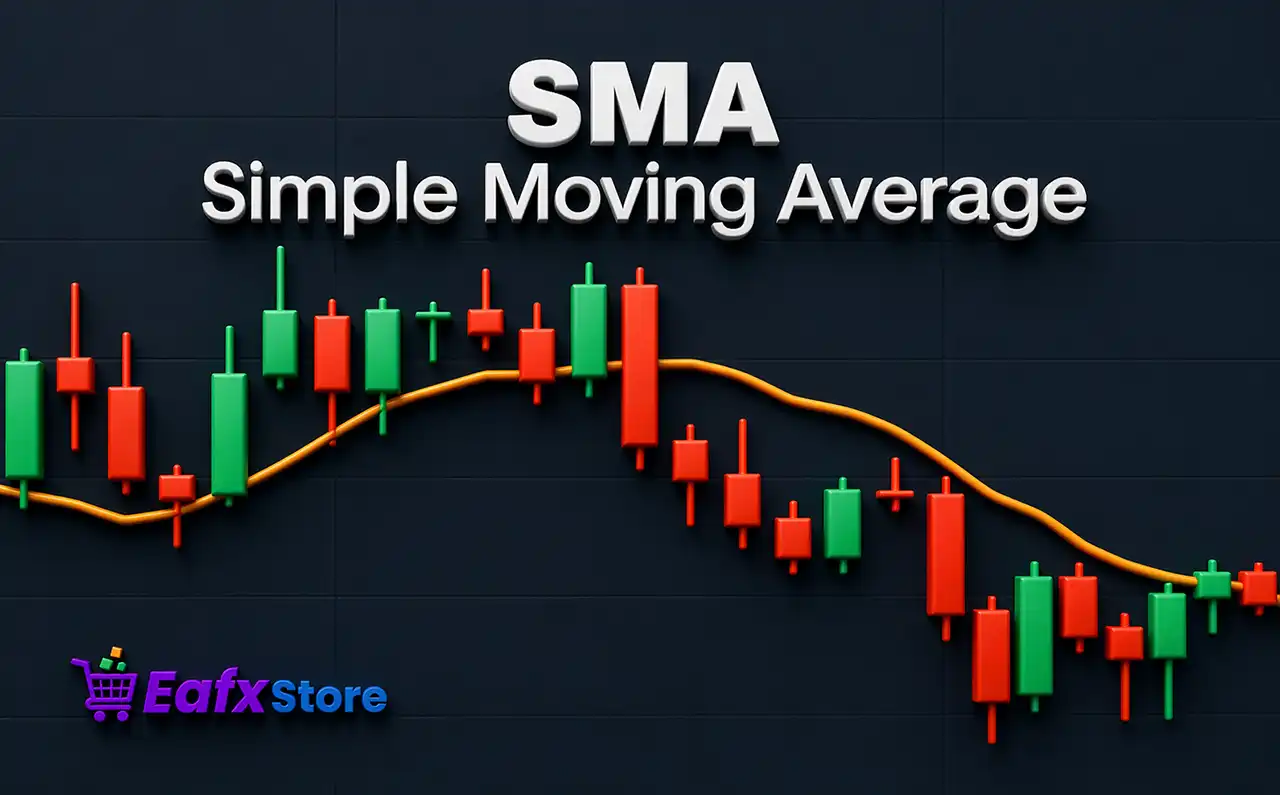
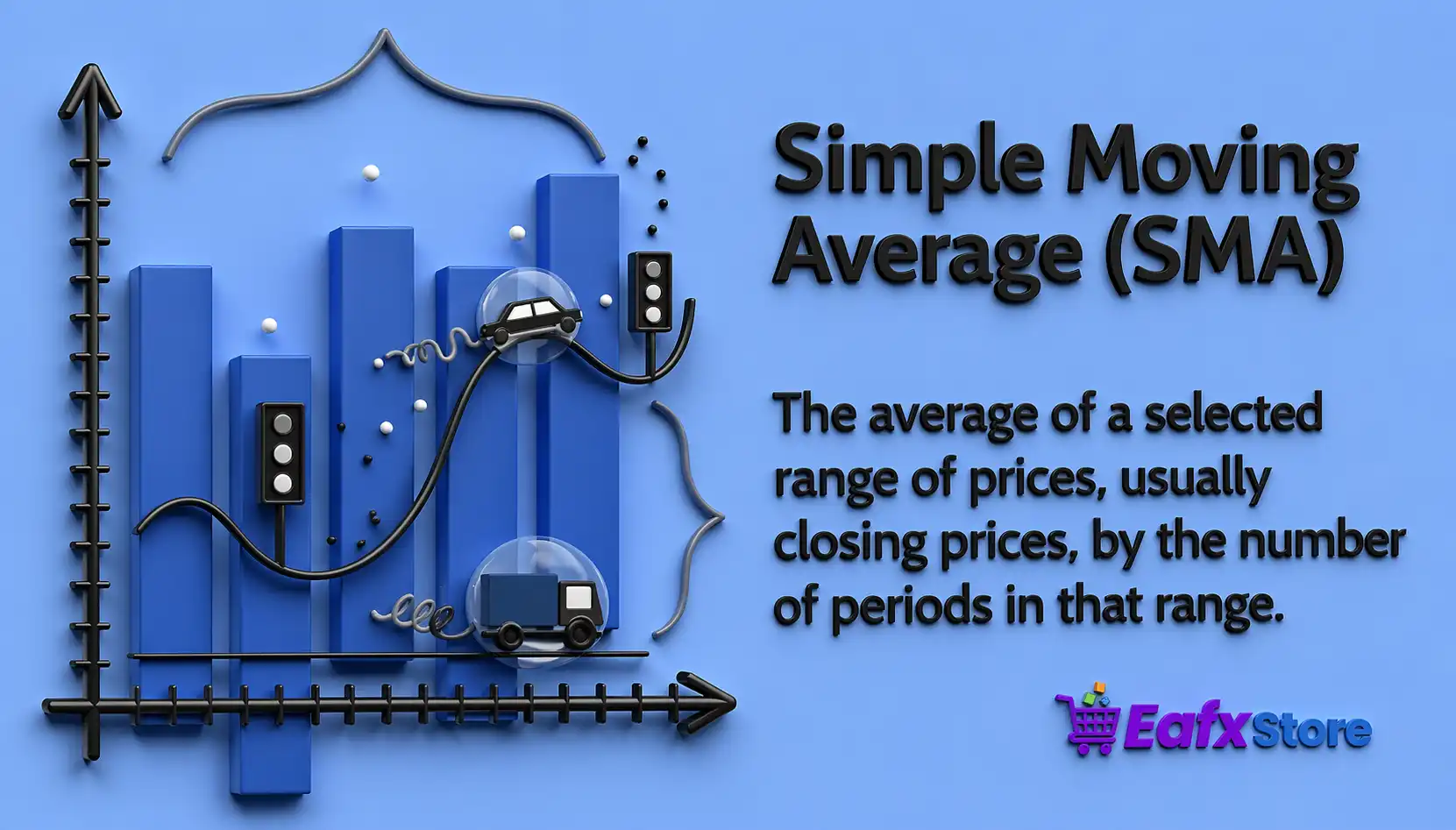
A Simple Moving Average (SMA) is a technical indicator that calculates the average price of a currency pair over a specified number of periods. It “smooths out” price data to help traders identify trends more easily.
Formula:
SMA=nP1+P2+…+Pn
Where:
- P = price for each period
- n = number of periods
For example, a 10-day SMA adds up the closing prices of the last 10 days and divides by 10.
Why SMA is Important in Forex Trading
Forex markets are known for volatility. SMA helps traders cut through the noise and focus on the bigger picture.
Key Benefits:
- Trend Identification: Quickly determine if the market is trending up, down, or sideways
- Support and Resistance: SMA lines often act as dynamic support/resistance levels
- Signal Generation: Crossovers can indicate potential entry and exit points
- Simplicity: Easy to understand and apply, even for beginners
Types of SMA in Forex
Not all SMAs are created equal. The number of periods you choose affects how the indicator behaves.
1. Short-Term SMA (5–20 periods)
- Reacts quickly to price changes
- Ideal for scalping and day trading
- More sensitive but can produce false signals
2. Medium-Term SMA (20–50 periods)
- Balances responsiveness and reliability
- Popular among swing traders
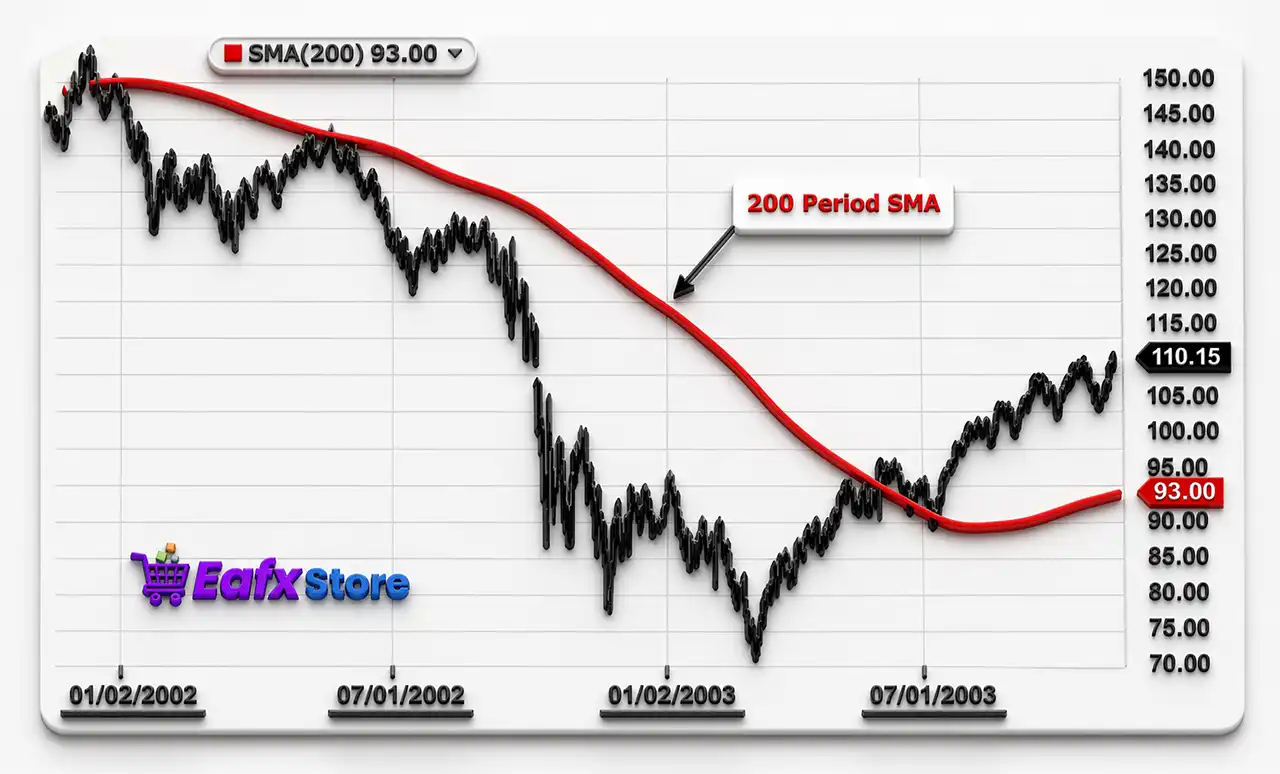
3. Long-Term SMA (100–200 periods)
- Slower but more reliable
- Best for identifying major trends
How to Use SMA in Forex Trading
Let’s dive into practical strategies you can start using right away.
1. Identifying Market Trends
The simplest use of SMA is trend identification.
- Price above SMA → Uptrend
- Price below SMA → Downtrend
Example:
If EUR/USD is trading above its 50-day SMA, the market is likely in an uptrend. Traders may look for buying opportunities.
2. SMA Crossover Strategy
One of the most popular SMA strategies involves using two moving averages.
How it works:
- Use a short-term SMA (e.g., 20-period)
- Use a long-term SMA (e.g., 50-period)
Signals:
- Bullish crossover: Short SMA crosses above long SMA → Buy signal
- Bearish crossover: Short SMA crosses below long SMA → Sell signal
This strategy helps confirm trend changes and reduces guesswork.
3. Dynamic Support and Resistance
SMA can act as a moving support or resistance level.
- In an uptrend, price often “bounces” off the SMA
- In a downtrend, SMA can act as resistance
Tip:
The 50 SMA and 200 SMA are especially popular for this purpose.
4. Combining SMA with Other Indicators
SMA works best when combined with other tools.
Popular combinations:
- SMA + RSI (Relative Strength Index) → Confirm overbought/oversold conditions
- SMA + MACD → Strengthen trend signals
- SMA + Bollinger Bands → Identify volatility and breakouts
Using multiple indicators helps reduce false signals and improves accuracy.
Best SMA Settings for Forex
There’s no “one-size-fits-all” setting, but here are some widely used combinations:
| Trading Style | SMA Settings |
|---|---|
| Scalping | 5, 10, 20 |
| Day Trading | 20, 50 |
| Swing Trading | 50, 100 |
| Long-Term | 100, 200 |
The key is to test and adapt based on your trading strategy.
Common Mistakes When Using SMA
Even though SMA is simple, many traders misuse it.
1. Relying Solely on SMA
SMA should not be used alone. Always combine it with other indicators or price action analysis.
2. Ignoring Market Conditions
SMA works best in trending markets. In sideways markets, it can generate false signals.
3. Using Wrong Timeframes
Short-term SMAs can be too noisy for long-term traders, and vice versa.
4. Over-Optimization
Constantly tweaking SMA settings can lead to confusion and inconsistent results.
SMA vs EMA: What’s the Difference?
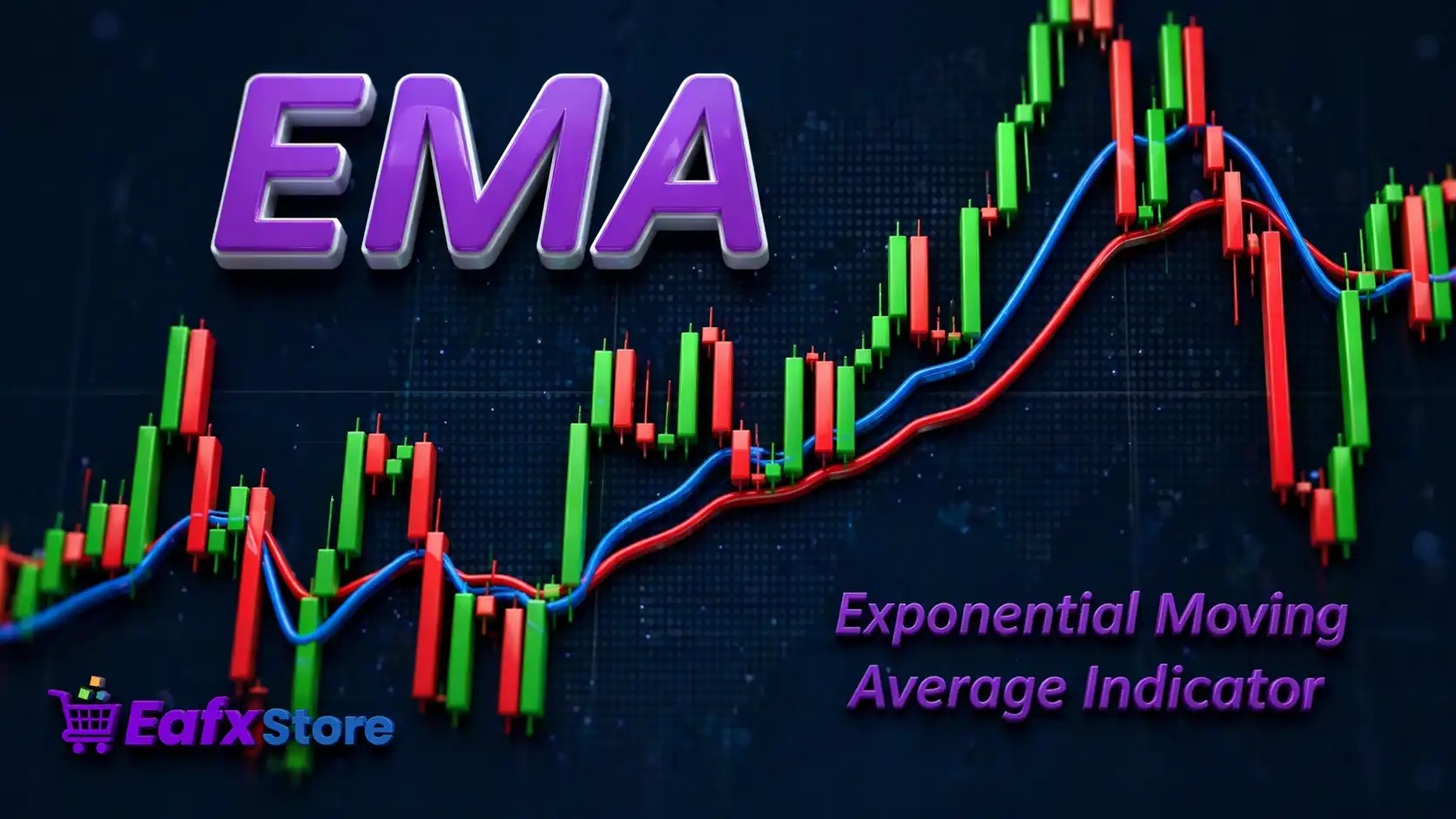
You may also hear about the Exponential Moving Average (EMA).
| Feature | SMA | EMA |
|---|---|---|
| Speed | Slower | Faster |
| Sensitivity | Less sensitive | More sensitive |
| Best for | Long-term trends | Short-term trading |
SMA is more stable, while EMA reacts quicker to price changes. Many traders use both.
Real-World Trading Example
Let’s say you’re trading GBP/USD:
- You apply:
- 20 SMA (short-term)
- 50 SMA (long-term)
- The 20 SMA crosses above the 50 SMA
- Price is above both SMAs
👉 This confirms a bullish trend, and you may consider entering a buy position.
To manage risk, you could:
- Place a stop-loss below the 50 SMA
- Take profit at a key resistance level
Advantages and Limitations of SMA
Advantages:
- Easy to use and understand
- Works well in trending markets
- Provides clear signals
Limitations:
- Lagging indicator (based on past data)
- Less effective in sideways markets
- Can produce delayed entry signals
Pro Tips for Using SMA Effectively
- Stick to a consistent strategy instead of constantly changing settings
- Backtest your SMA strategy before using real money
- Combine SMA with price action for better confirmation
- Use higher timeframes for stronger signals
- Avoid overtrading—wait for clear setups
Conclusion
The Simple Moving Average (SMA) is one of the most powerful yet accessible tools in Forex trading. It helps traders identify trends, confirm signals, and make more informed decisions.
However, like any indicator, SMA is not perfect. Its real strength lies in how you use it—especially when combined with other tools and a solid risk management strategy.
If you’re just starting out, begin with basic SMA strategies like trend identification and crossovers. As you gain experience, you can refine your approach and integrate more advanced techniques.