
Introduction
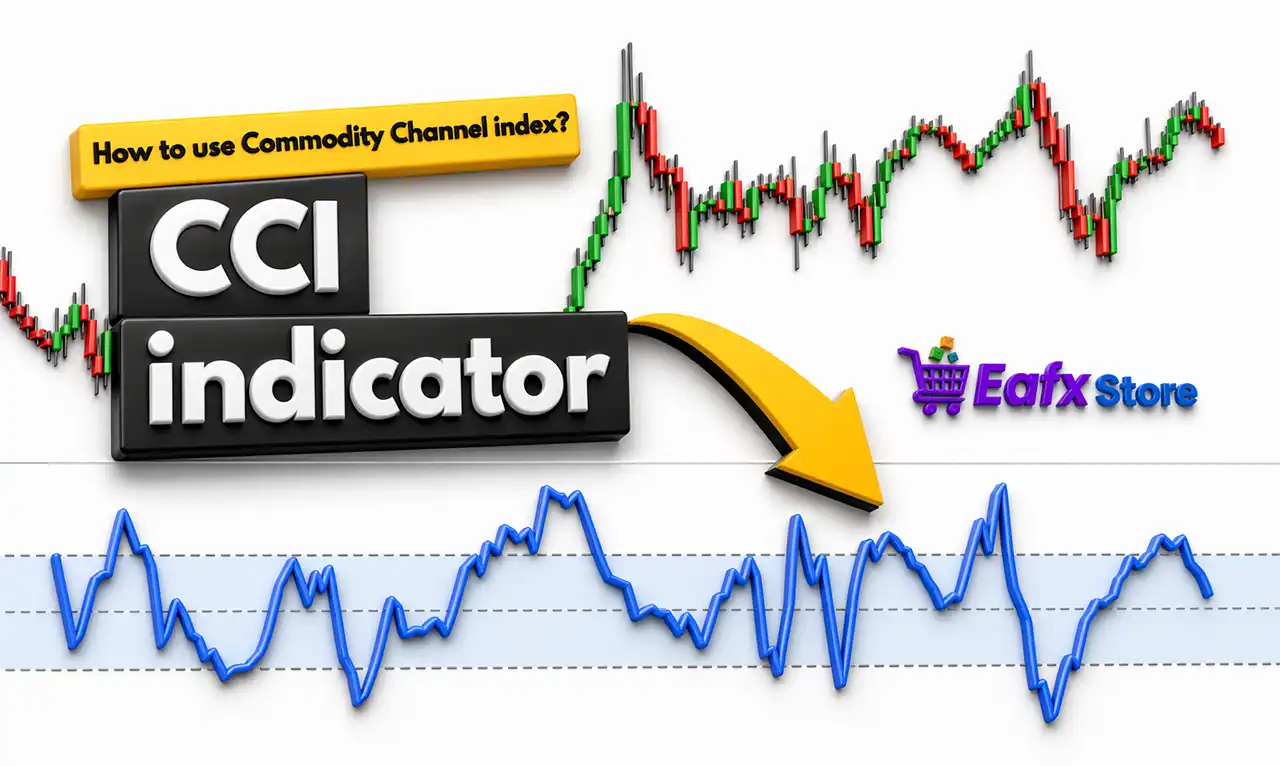
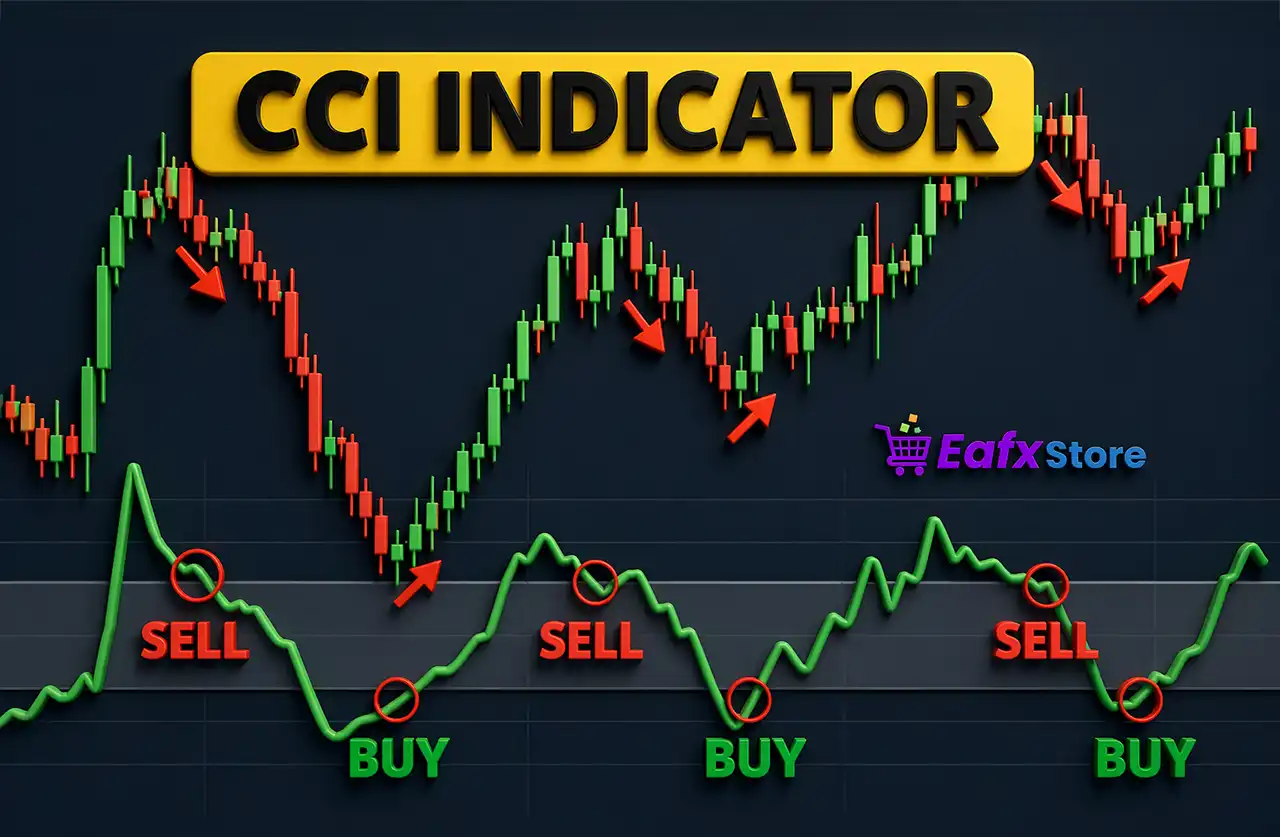
In the fast-paced world of Forex trading, having the right technical tools can make a significant difference in your decision-making process. One such powerful yet often underutilized indicator is the Commodity Channel Index (CCI). Originally developed for commodities trading, the CCI has evolved into a versatile indicator widely used by Forex traders to identify trends, reversals and overbought or oversold conditions.
In this complete guide, you’ll learn what the CCI is, how it works, how to calculate it, and most importantly, how to use it effectively in Forex trading strategies.
What is the Commodity Channel Index (CCI)?
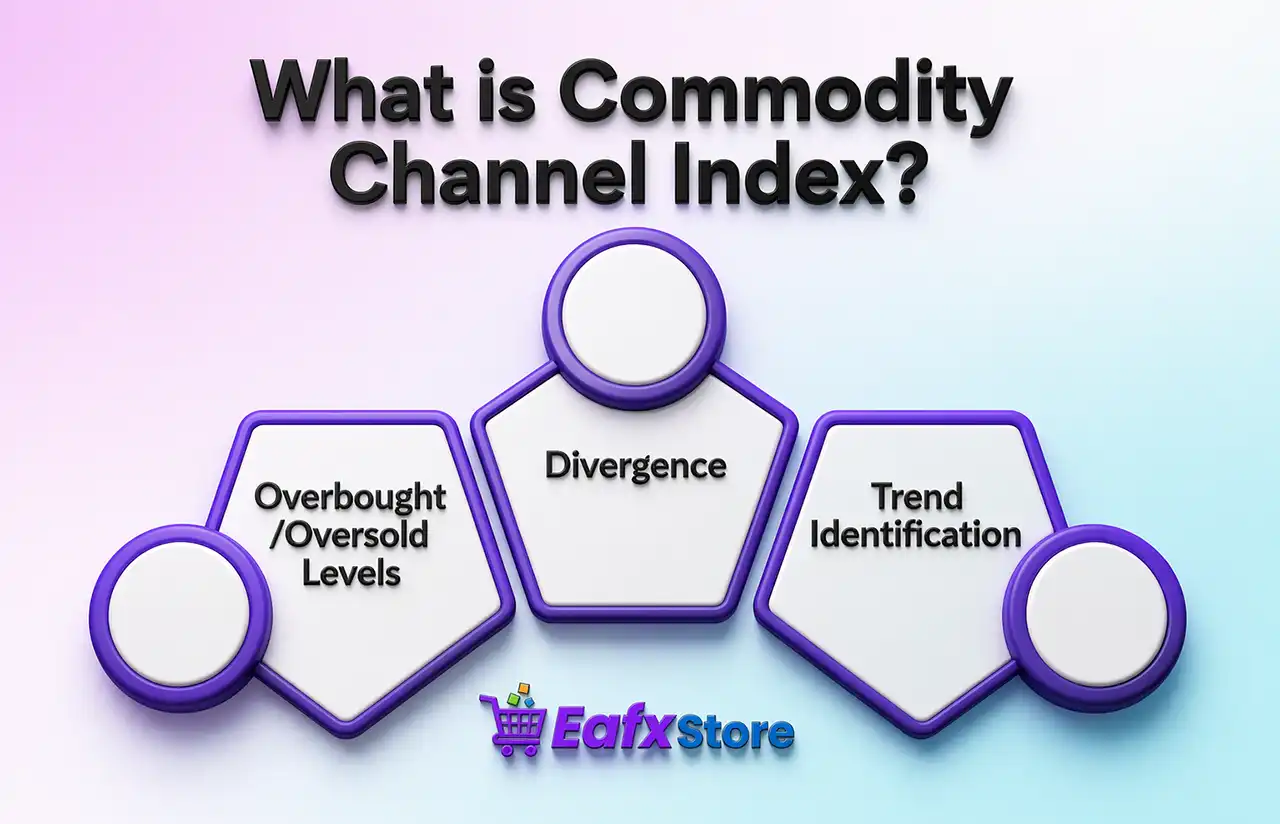
The Commodity Channel Index (CCI) is a momentum-based oscillator that measures the current price level relative to an average price over a specific period. It helps traders determine whether a currency pair is overbought or oversold and identify potential trend reversals.
Unlike many oscillators that are bounded (e.g., RSI ranges from 0 to 100), the CCI is unbounded, meaning it can move above +100 or below -100 depending on market conditions.
Key Characteristics:
- Identifies overbought and oversold levels.
- Detects trend strength and direction.
- Highlights potential reversals.
- Works well in both trending and ranging markets.
How Does the CCI Work?
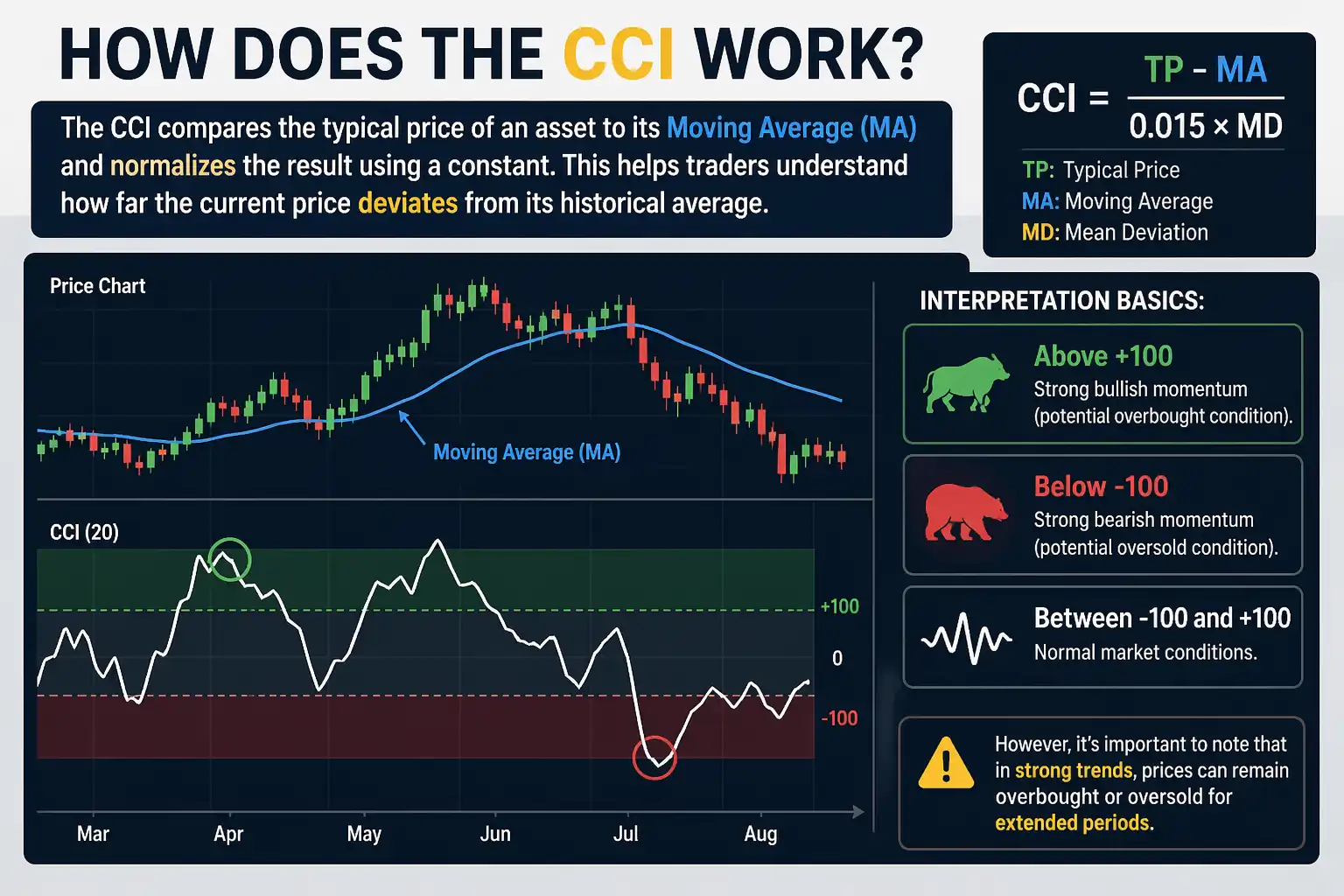
The CCI compares the typical price of an asset to its Moving Average (MA) and normalizes the result using a constant. This helps traders understand how far the current price deviates from its historical average.
Interpretation Basics:
- Above +100 → Strong bullish momentum (potential overbought condition).
- Below -100 → Strong bearish momentum (potential oversold condition).
- Between -100 and +100 → Normal market conditions.
However, it’s important to note that in strong trends, prices can remain overbought or oversold for extended periods.
CCI Formula Explained
The CCI is calculated using the following formula:
CCI=0.015×MDTP−SMA(TP)
Where:
- TP (Typical Price) = (High + Low + Close) / 3
- SMA(TP) = Simple Moving Average of Typical Price
- MD (Mean Deviation) = Average deviation from the SMA
- 0.015 = Constant used to normalize values
This formula ensures that most CCI values fall within the range of -100 to +100, making it easier to interpret.
Why Forex Traders Use CCI
The CCI is popular among Forex traders because it offers multiple insights in a single indicator. Here’s why it stands out:
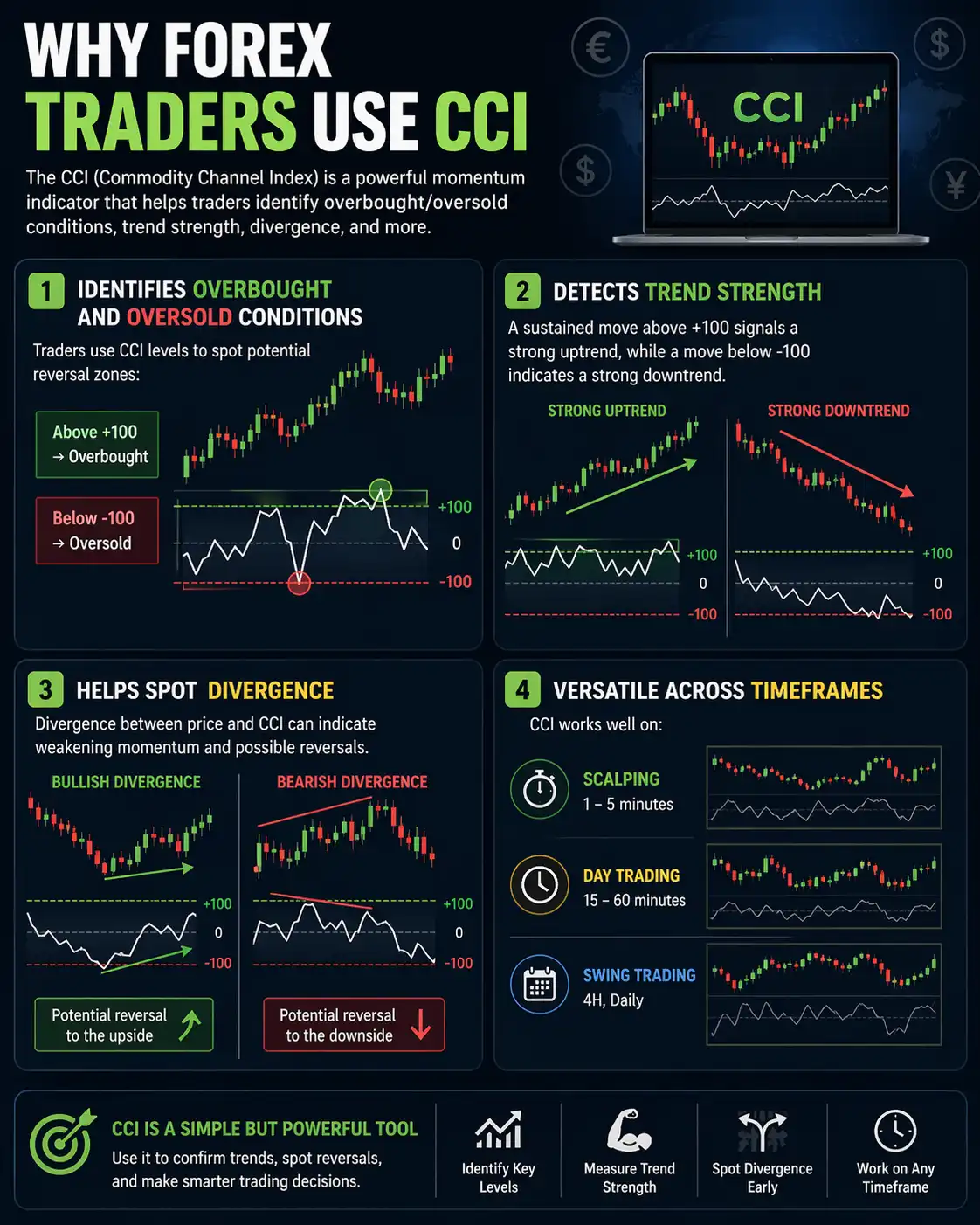
1. Identifies Overbought and Oversold Conditions
Traders use CCI levels to spot potential reversal zones:
- Above +100 → Overbought.
- Below -100 → Oversold.
2. Detects Trend Strength
A sustained move above +100 signals a strong uptrend, while a move below -100 indicates a strong downtrend.
3. Helps Spot Divergence
Divergence between price and CCI can indicate weakening momentum and possible reversals.
4. Versatile Across Timeframes
CCI works well on:
- Scalping (1–5 minutes)
- Day trading (15–60 minutes)
- Swing trading (4H, Daily)
Best CCI Settings for Forex Trading
The default CCI period is 14, but traders often adjust it depending on their trading style:
- Short-term traders: 10–14 periods
- Swing traders: 20–50 periods
- Long-term traders: 50+ periods
Pro Tip:
- Lower periods = more signals (but more noise)
- Higher periods = fewer signals (but more reliable)
How to Use CCI in Forex Trading
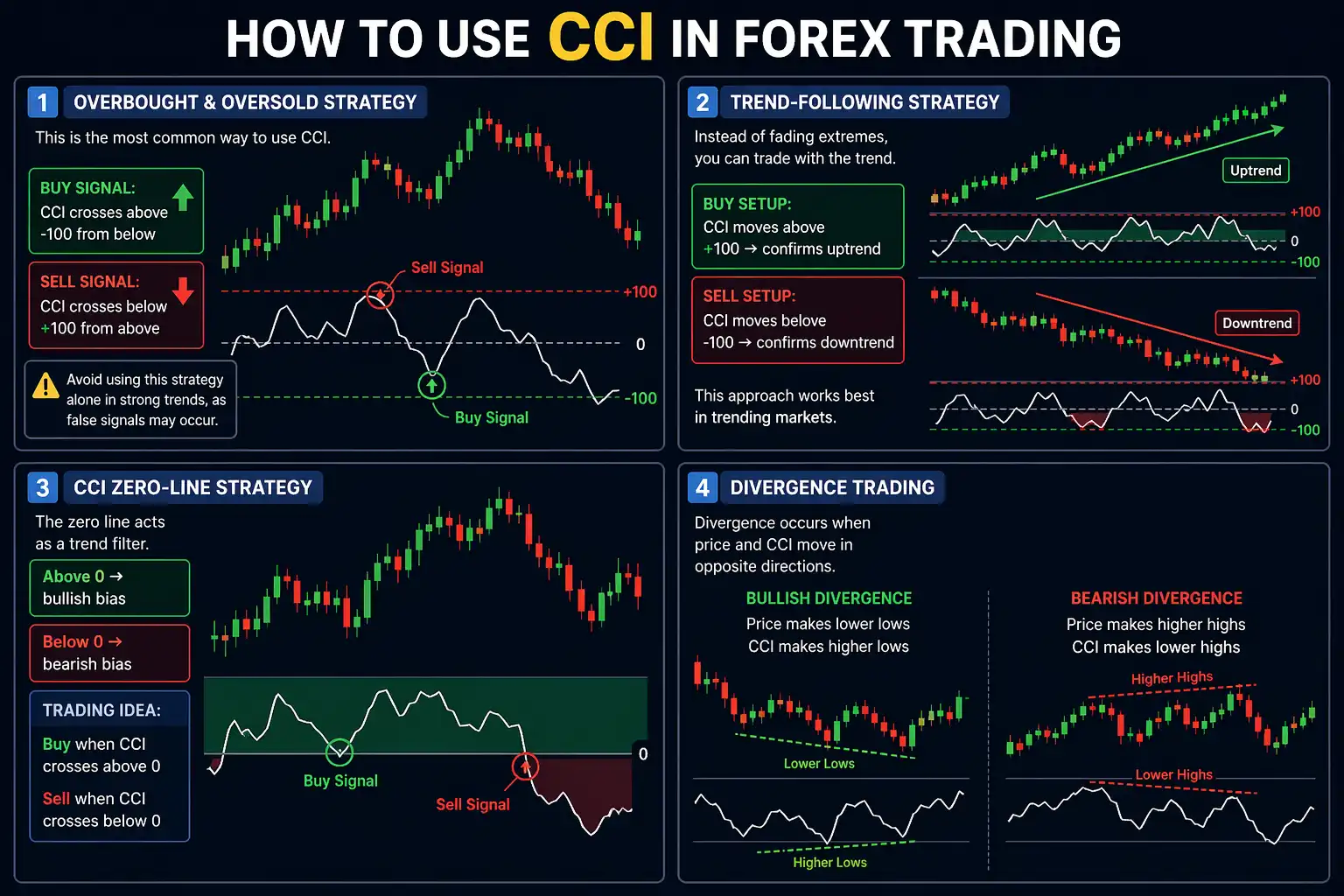
1. Overbought & Oversold Strategy
This is the most common way to use CCI.
Buy Signal:
- CCI crosses above -100 from below
Sell Signal:
- CCI crosses below +100 from above
⚠️ Avoid using this strategy alone in strong trends, as false signals may occur.
2. Trend-Following Strategy
Instead of fading extremes, you can trade with the trend.
Buy Setup:
- CCI moves above +100 → confirms uptrend
Sell Setup:
- CCI moves below -100 → confirms downtrend
This approach works best in trending markets.
3. CCI Zero-Line Strategy
The zero line acts as a trend filter.
- Above 0 → bullish bias
- Below 0 → bearish bias
Trading Idea:
- Buy when CCI crosses above 0
- Sell when CCI crosses below 0
4. Divergence Trading
Divergence occurs when price and CCI move in opposite directions.
Bullish Divergence:
- Price makes lower lows
- CCI makes higher lows
Bearish Divergence:
- Price makes higher highs
- CCI makes lower highs
This can signal a potential reversal.
Combining CCI with Other Indicators
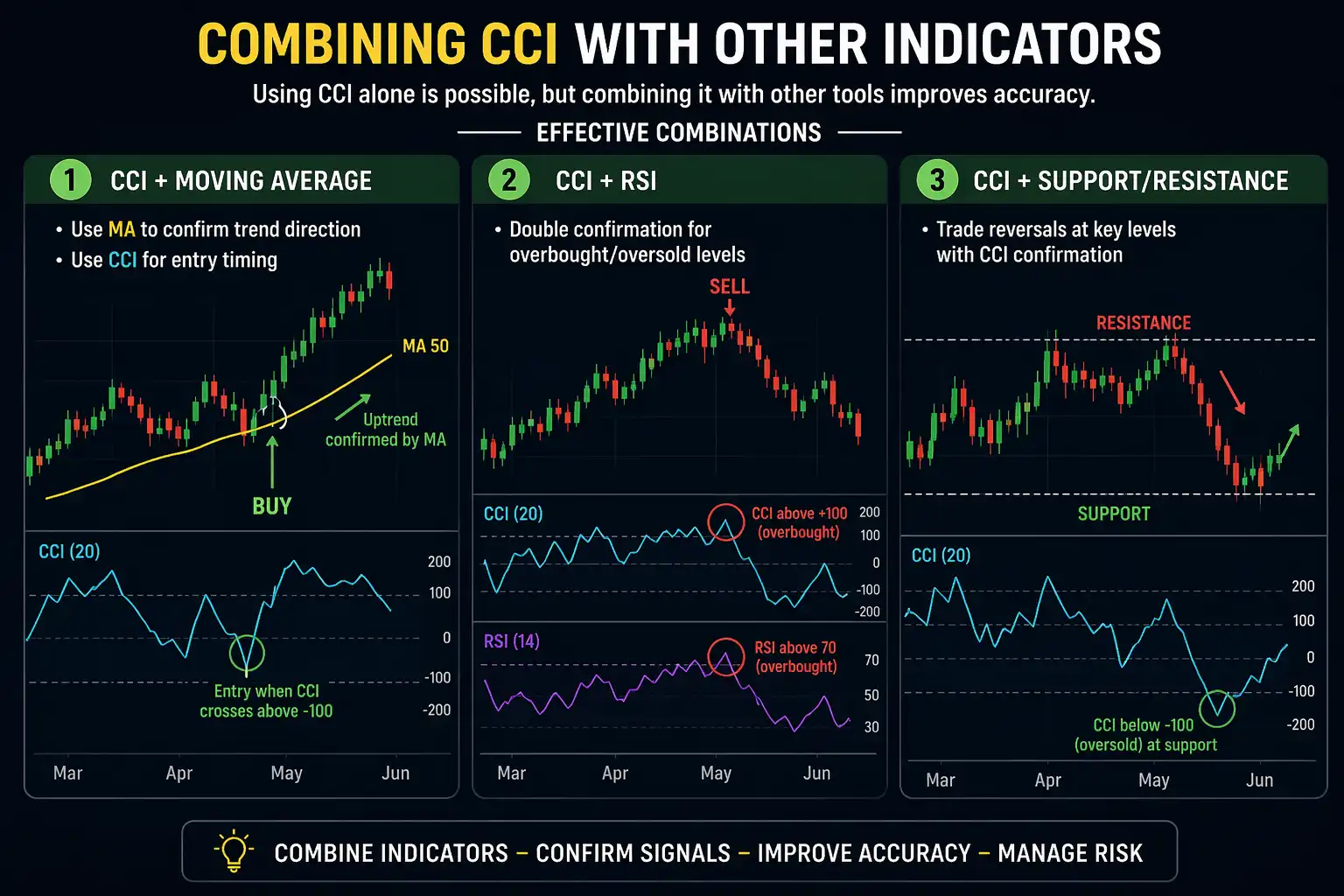
Using CCI alone is possible, but combining it with other tools improves accuracy.
Effective Combinations:
1. CCI + Moving Average
- Use MA to confirm trend direction
- Use CCI for entry timing
2. CCI + RSI
- Double confirmation for overbought/oversold levels
3. CCI + Support/Resistance
- Trade reversals at key levels with CCI confirmation
Advantages of CCI
- Simple and easy to interpret.
- Works in multiple market conditions.
- Helps identify both trend and reversal.
- Flexible across timeframes.
Limitations of CCI
- Generates false signals in choppy markets.
- Overbought/oversold doesn’t always mean reversal.
- Requires confirmation from other tools.
Practical Example
Imagine EUR/USD is in an uptrend:
- CCI rises above +100 → confirms bullish momentum.
- Price pulls back, CCI drops near 0.
- CCI turns upward again → potential buy opportunity.
This type of setup is commonly used by trend traders.
Common Mistakes to Avoid
1. Trading Every Signal
Not all CCI signals are valid. Always confirm with price action or other indicators.
2. Ignoring Market Context
CCI behaves differently in trending vs ranging markets.
3. Using Default Settings Blindly
Adjust CCI settings based on your trading style and timeframe.
Tips for Maximizing CCI Effectiveness
- Combine with price action analysis.
- Use higher timeframes for confirmation.
- Avoid trading during low volatility.
- Backtest your strategy before live trading.
Conclusion
The Commodity Channel Index (CCI) is a powerful and flexible tool that can significantly enhance your Forex trading strategy. Whether you’re identifying trends, spotting reversals, or confirming entries, the CCI provides valuable insights into market momentum.
However, like any indicator, it should not be used in isolation. Combining CCI with other technical tools and proper risk management is key to long-term success in Forex trading.
By mastering the CCI and applying it strategically, you can gain a deeper understanding of market behavior and improve your trading performance.
FAQs
1. Is CCI better than RSI?
Not necessarily. CCI is more flexible, while RSI is easier for beginners. Many traders use both together.
2. What timeframe works best for CCI?
It depends on your strategy, but it performs well across all timeframes.
3. Can CCI be used for scalping?
Yes, especially with shorter periods like 10–14.
4. What is the best CCI setting?
There’s no universal best setting. The default 14 is a good starting point.