
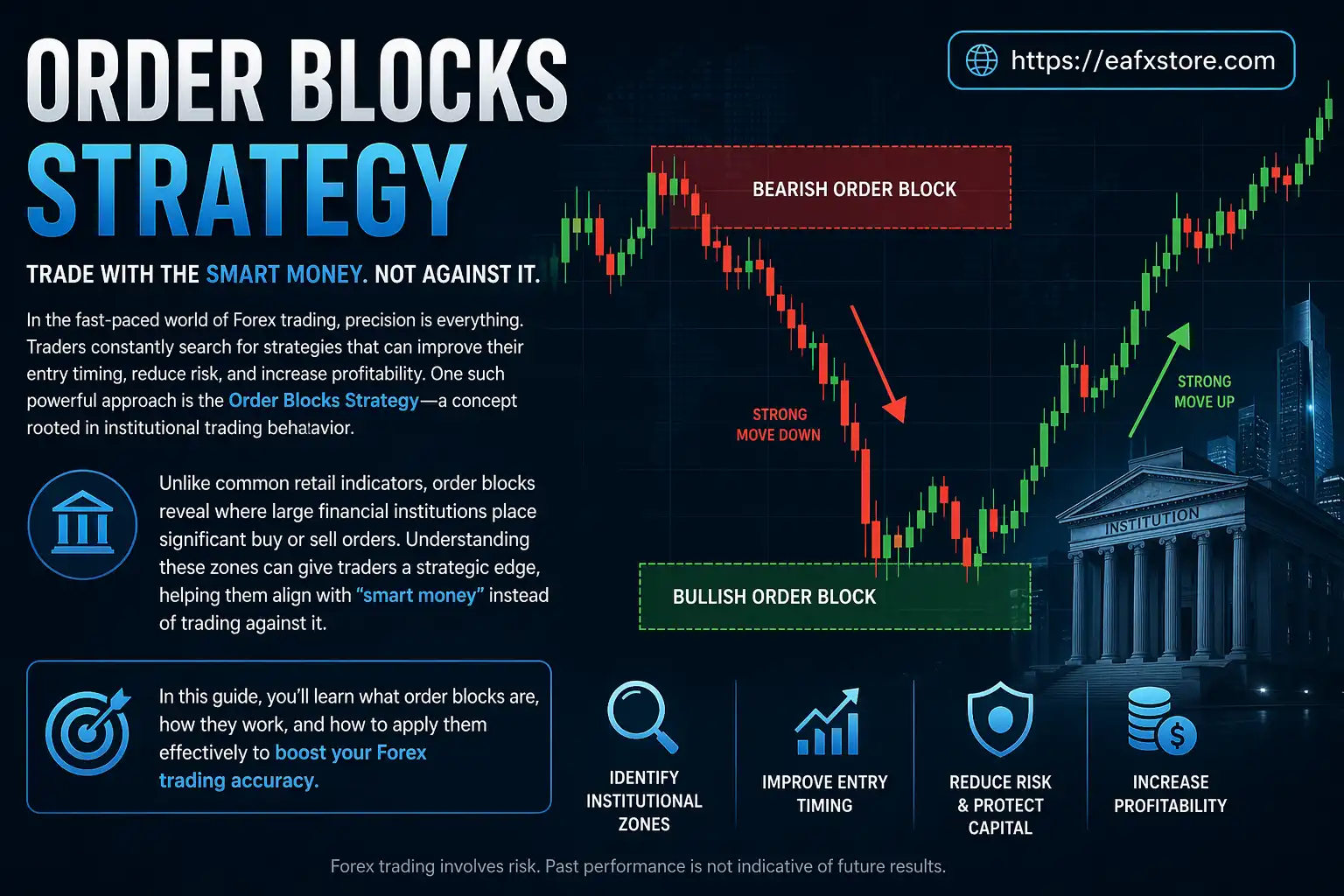
In the fast-paced world of Forex trading, precision and timing are everything. Traders are constantly searching for strategies that provide reliable entry and exit points while minimizing risk. One such powerful approach is the Order Blocks Strategy—a concept rooted in institutional trading behavior.
This strategy focuses on identifying zones where large financial institutions place significant buy or sell orders. By understanding these zones, retail traders can align themselves with “smart money” and improve trading accuracy.
In this guide, you’ll learn what order blocks are, how they work, and how to apply them effectively in your Forex trading strategy.
What Are Order Blocks?
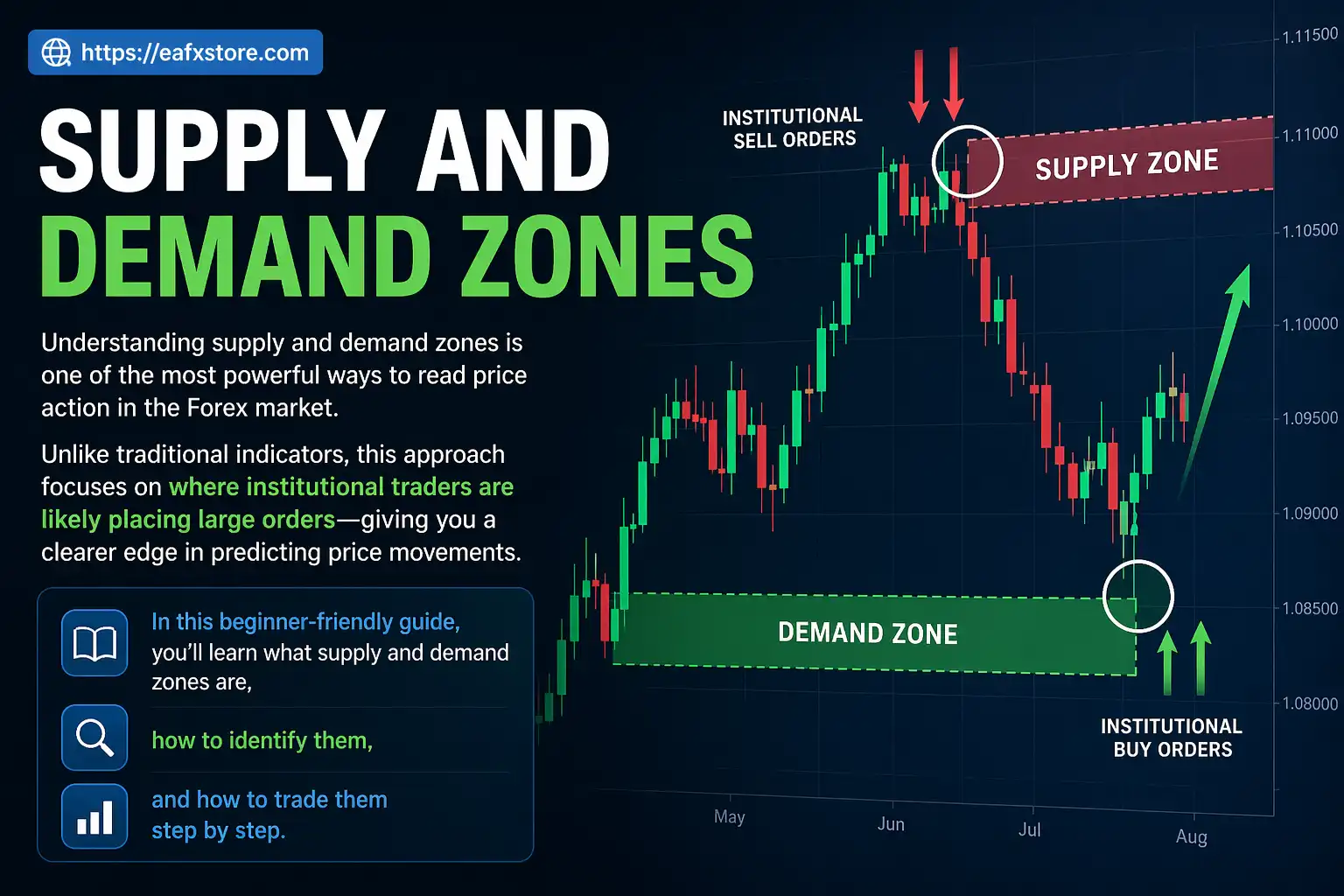
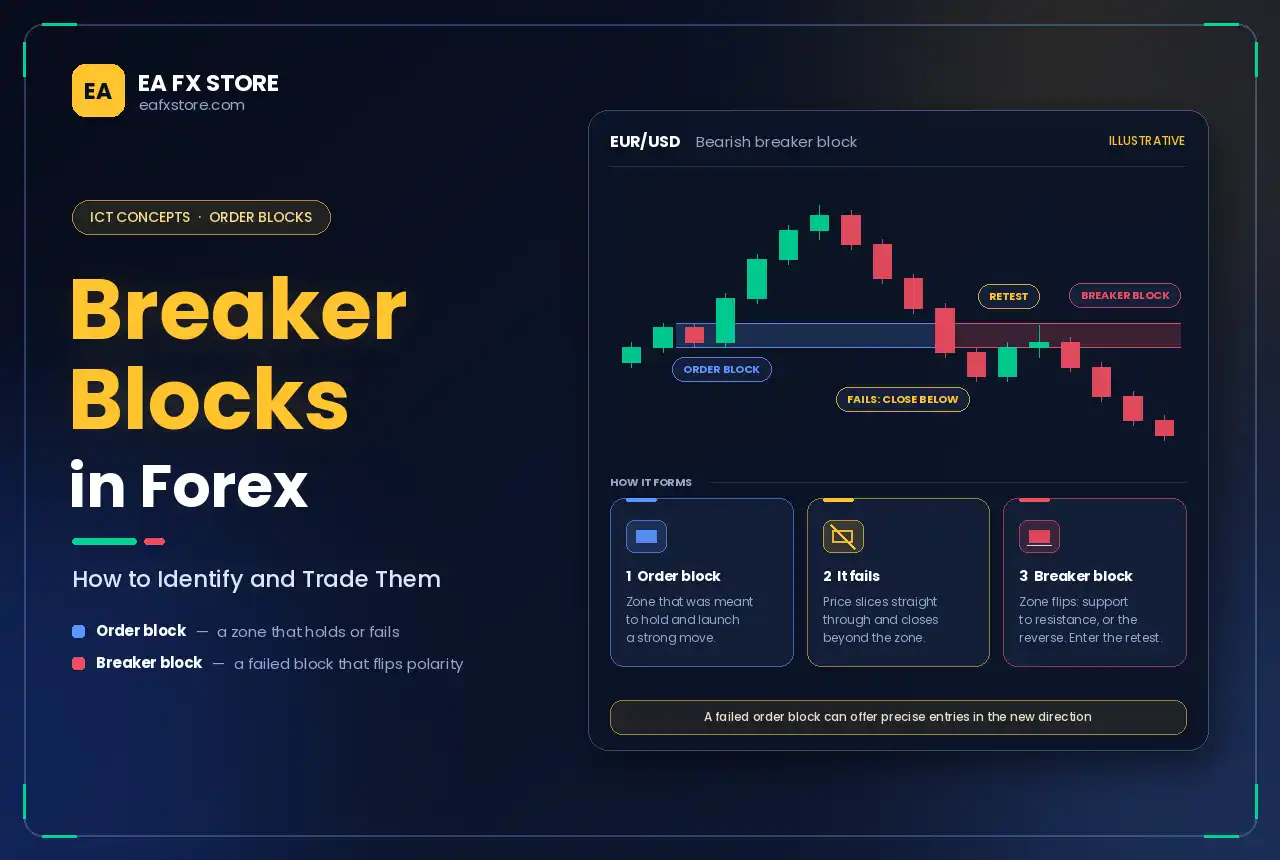
Order blocks are specific price zones where institutional traders (banks, hedge funds, and large players) have placed substantial buy or sell orders. These zones often lead to strong market movements because of the volume involved.
There are two main types:
- Bullish Order Block: A zone where institutions placed buy orders before a strong upward move.
- Bearish Order Block: A zone where institutions placed sell orders before a strong downward move.
These areas often act as support and resistance levels, making them highly valuable for predicting future price movements.

Why Order Blocks Matter in Forex Trading
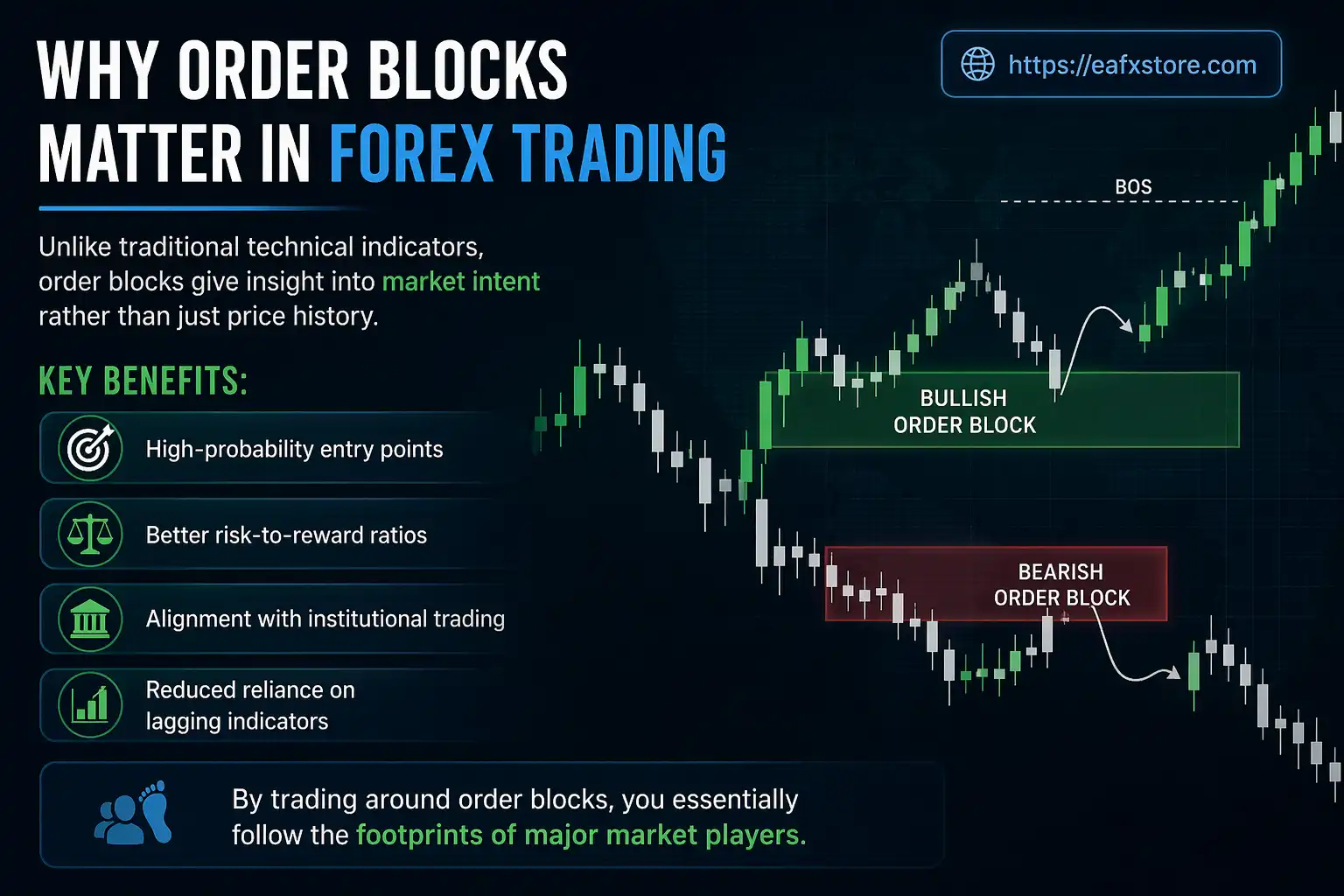
Unlike traditional technical indicators, order blocks give insight into market intent rather than just price history.
Key Benefits:
- High-probability entry points
- Better risk-to-reward ratios
- Alignment with institutional trading
- Reduced reliance on lagging indicators
By trading around order blocks, you essentially follow the footprints of major market players.
How to Identify Order Blocks
Identifying order blocks requires careful observation of price action. Here’s a step-by-step method:
- Look for Strong Moves: Identify areas where price made a sharp move upward or downward. These impulsive moves often originate from institutional activity.
- Find the Last Consolidation Candle: Before the strong move, locate the last consolidation or small-bodied candle. This is typically the order block.
- Mark the Zone: Draw a rectangle around the candle (or cluster of candles) representing the order block.
- Wait for Price Return: Price often revisits these zones. This is where trading opportunities arise.
Example of Order Block Identification
| Step | Description | What to Look For |
|---|---|---|
| 1 | Strong move | Large bullish or bearish candle |
| 2 | Base candle | Small consolidation before move |
| 3 | Zone marking | Highlight the price range |
| 4 | Retest | Price returns to the zone |
Trading Strategies Using Order Blocks
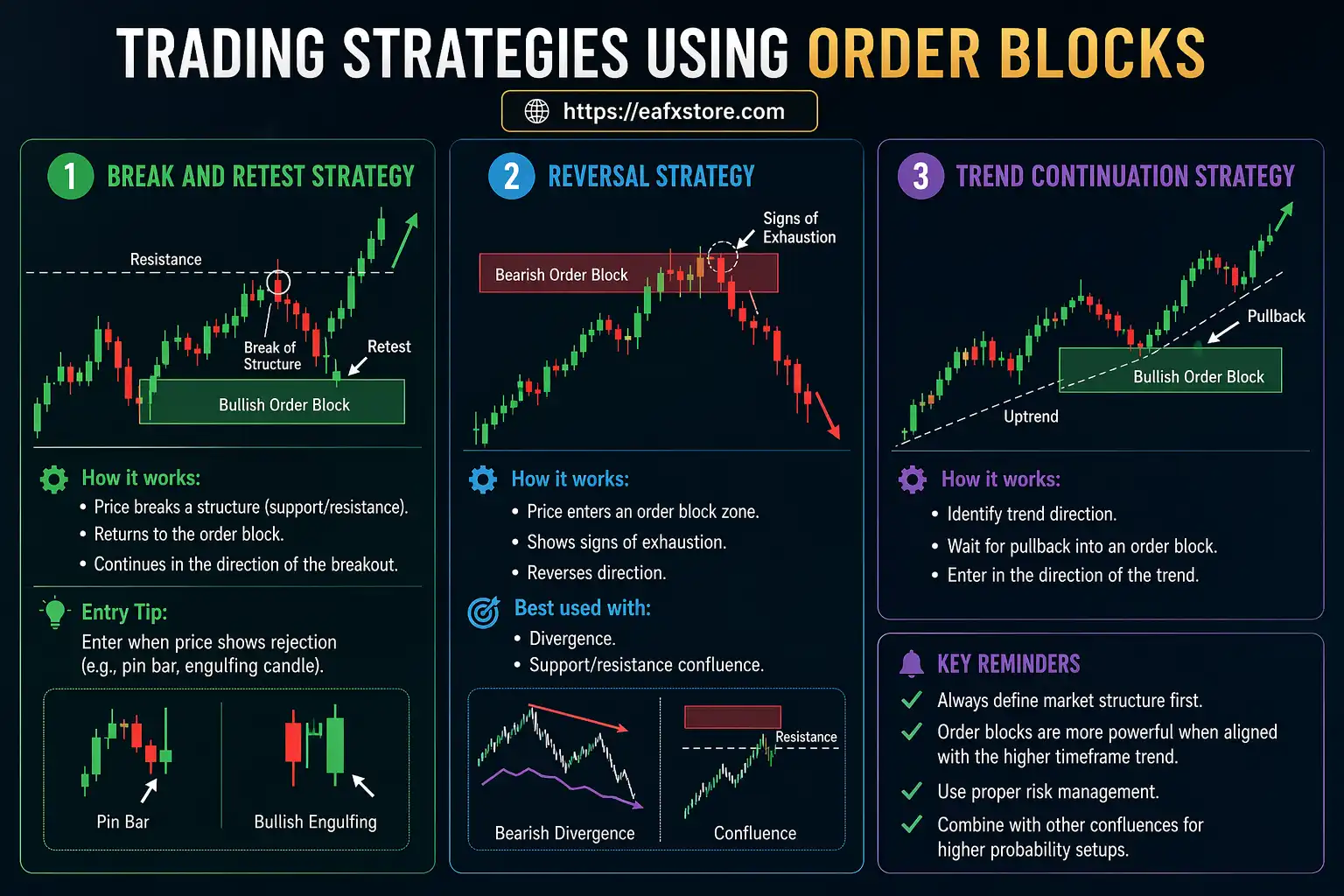
1. Break and Retest Strategy
This is one of the most effective ways to trade order blocks.
How it works:
- Price breaks a structure (support/resistance).
- Returns to the order block.
- Continues in the direction of the breakout.
Entry Tip: Enter when price shows rejection (e.g., pin bar, engulfing candle).
2. Reversal Strategy
Order blocks can also signal potential reversals.
How it works:
- Price enters an order block zone.
- Shows signs of exhaustion.
- Reverses direction.
Best used with:
- Divergence.
- Support/resistance confluence.
3. Trend Continuation Strategy
In trending markets, order blocks can act as continuation zones.
How it works:
- Identify trend direction.
- Wait for pullback into an order block.
- Enter in the direction of the trend.
Risk Management with Order Blocks
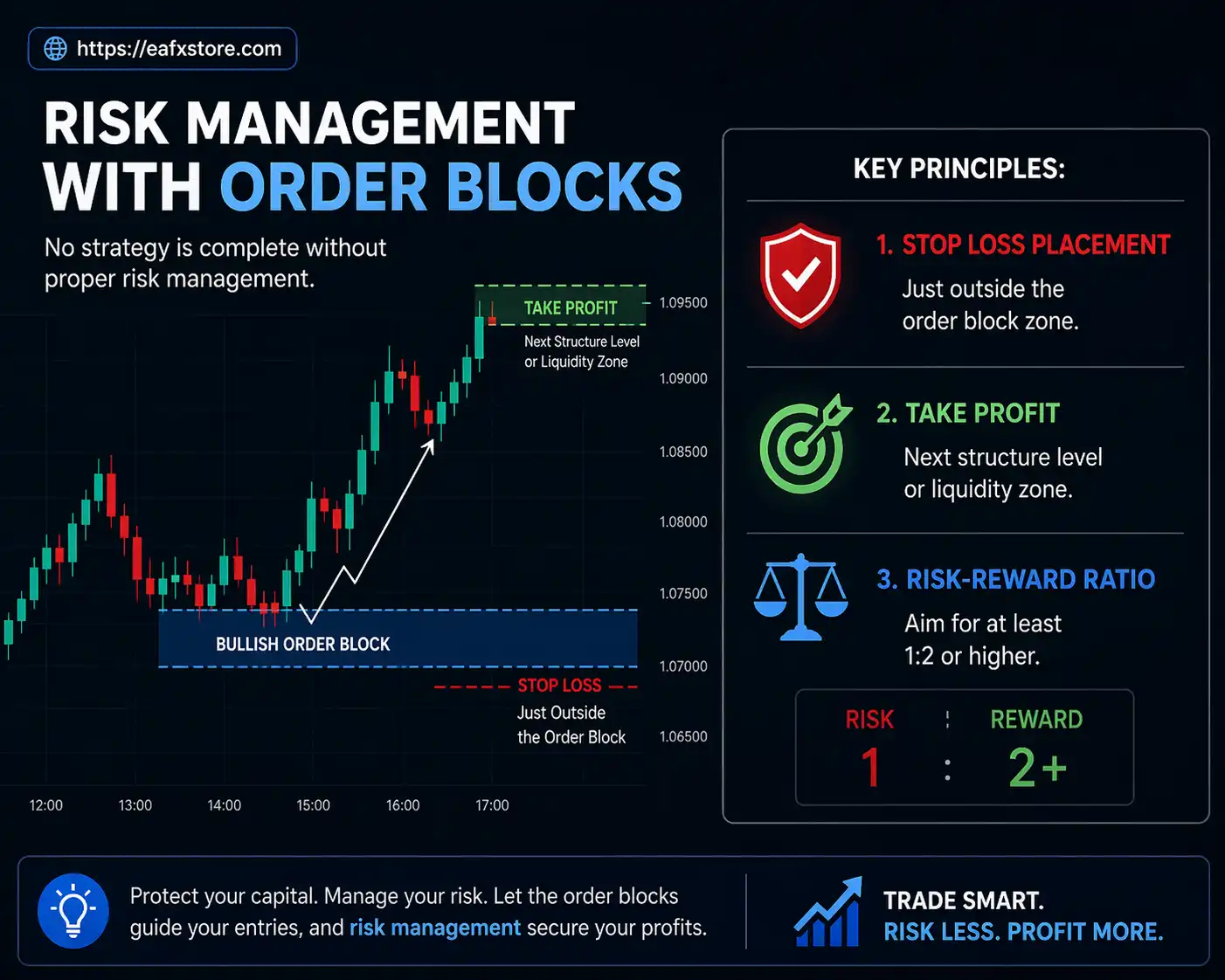
No strategy is complete without proper risk management.
Key Principles:
- Stop Loss Placement: Just outside the order block zone.
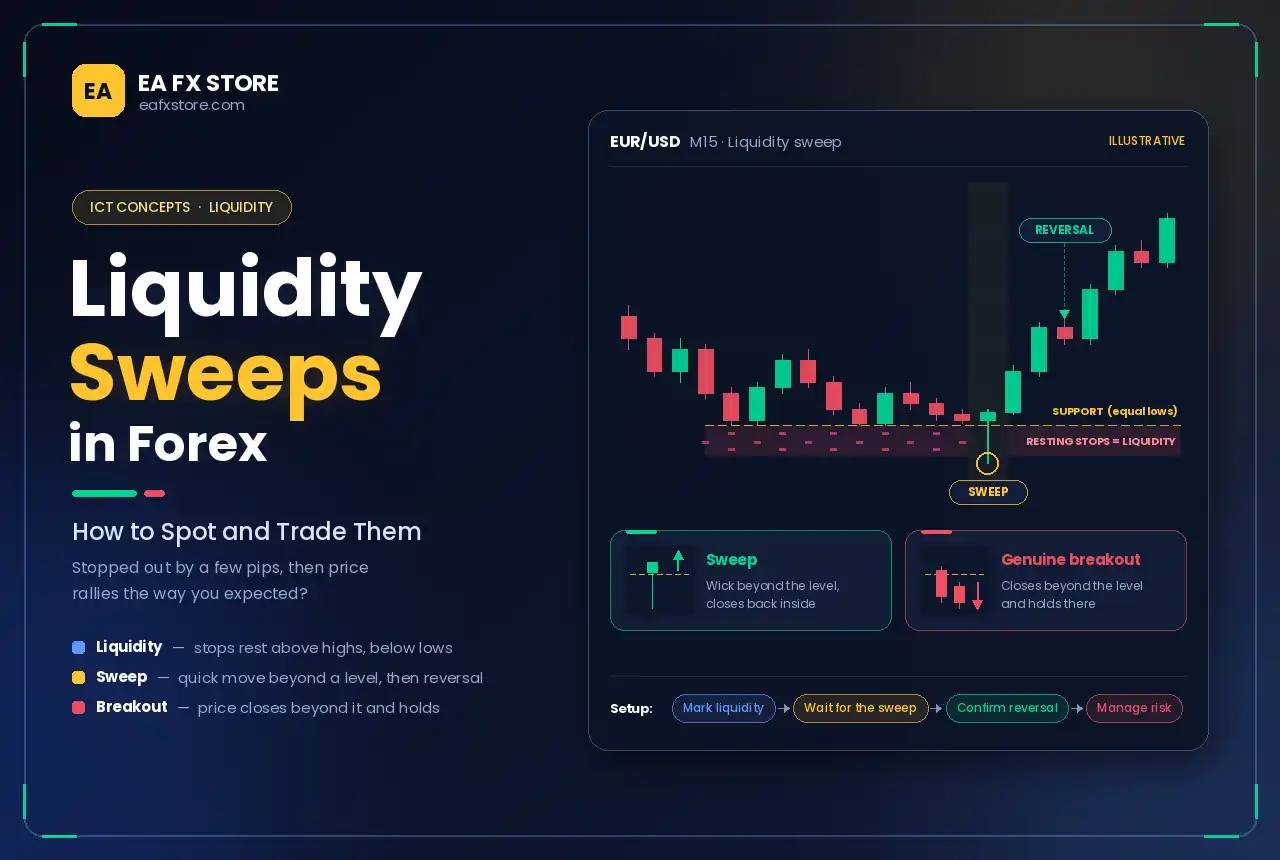
- Take Profit: Next structure level or liquidity zone.
- Risk-Reward Ratio: Aim for at least 1:2 or higher.
Common Mistakes to Avoid
Even though order blocks are powerful, many traders misuse them.
- Ignoring Market Structure: Order blocks should align with the overall trend or structure.
- Over-marking Zones: Not every candle is an order block. Focus on high-quality setups.
- Entering Without Confirmation: Always wait for price action confirmation before entering a trade.
- Neglecting Risk Management: Even the best setups can fail. Always protect your capital.
Combining Order Blocks with Other Tools
To increase accuracy, combine order blocks with:
- Support and Resistance.
- Trendlines.
- Fibonacci Retracement.
- Liquidity Zones.
- Candlestick Patterns.
Example Confluence Setup:
| Indicator | Purpose |
|---|---|
| Order Block | Entry zone |
| Fibonacci | Pullback confirmation |
| Trendline | Direction bias |
| Candlestick Pattern | Entry trigger |
Practical Tips for Beginners
If you’re new to order block trading, start simple:
- Focus on higher timeframes (H1, H4, Daily).
- Backtest your strategy before going live.
- Keep a trading journal.
- Avoid overtrading.
Consistency matters more than complexity.
Advantages and Disadvantages
Advantages:
- High accuracy when used correctly.
- Works across all timeframes.
- Based on real market behavior.
Disadvantages:
- Requires practice to master.
- Can be subjective.
- Not always clear in ranging markets.
Conclusion
The Order Blocks Strategy is a powerful tool that allows traders to align with institutional activity and improve their Forex trading accuracy. By identifying key zones where large orders are placed, you can make more informed decisions and enhance your overall trading performance.
However, like any strategy, it requires discipline, patience and proper risk management. Combine it with other technical tools and continuously refine your approach through practice and analysis.