

Forex trading can feel overwhelming at first, especially when charts look complex and full of indicators. However, one of the simplest and most powerful tools you can use is the trendline. Whether you are a beginner or looking to refine your strategy, understanding trendlines can significantly improve your market analysis.
In this guide, you will learn what trendlines are, how to draw them, and how to use them effectively in Forex trading.
What Are Trendlines in Forex?
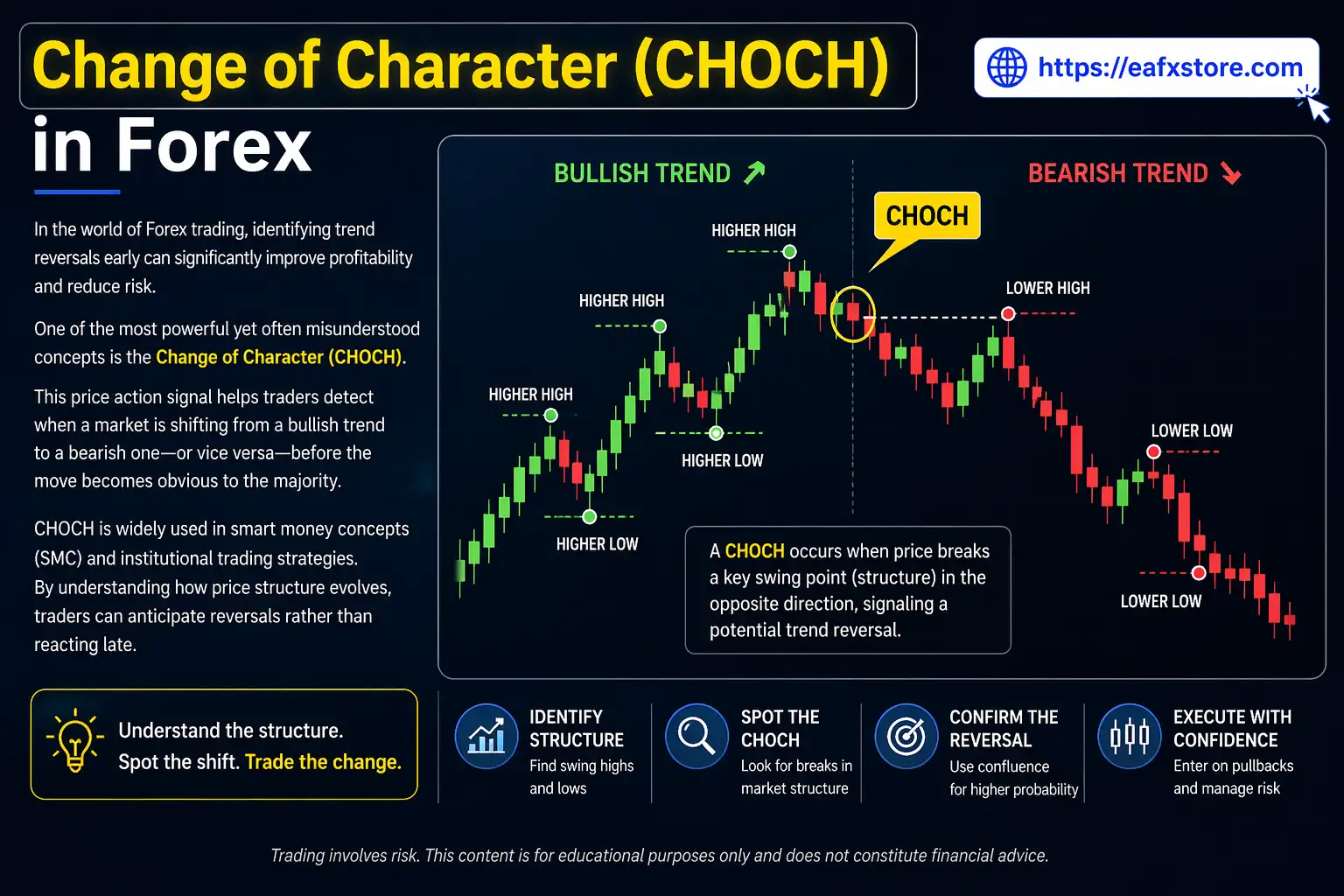
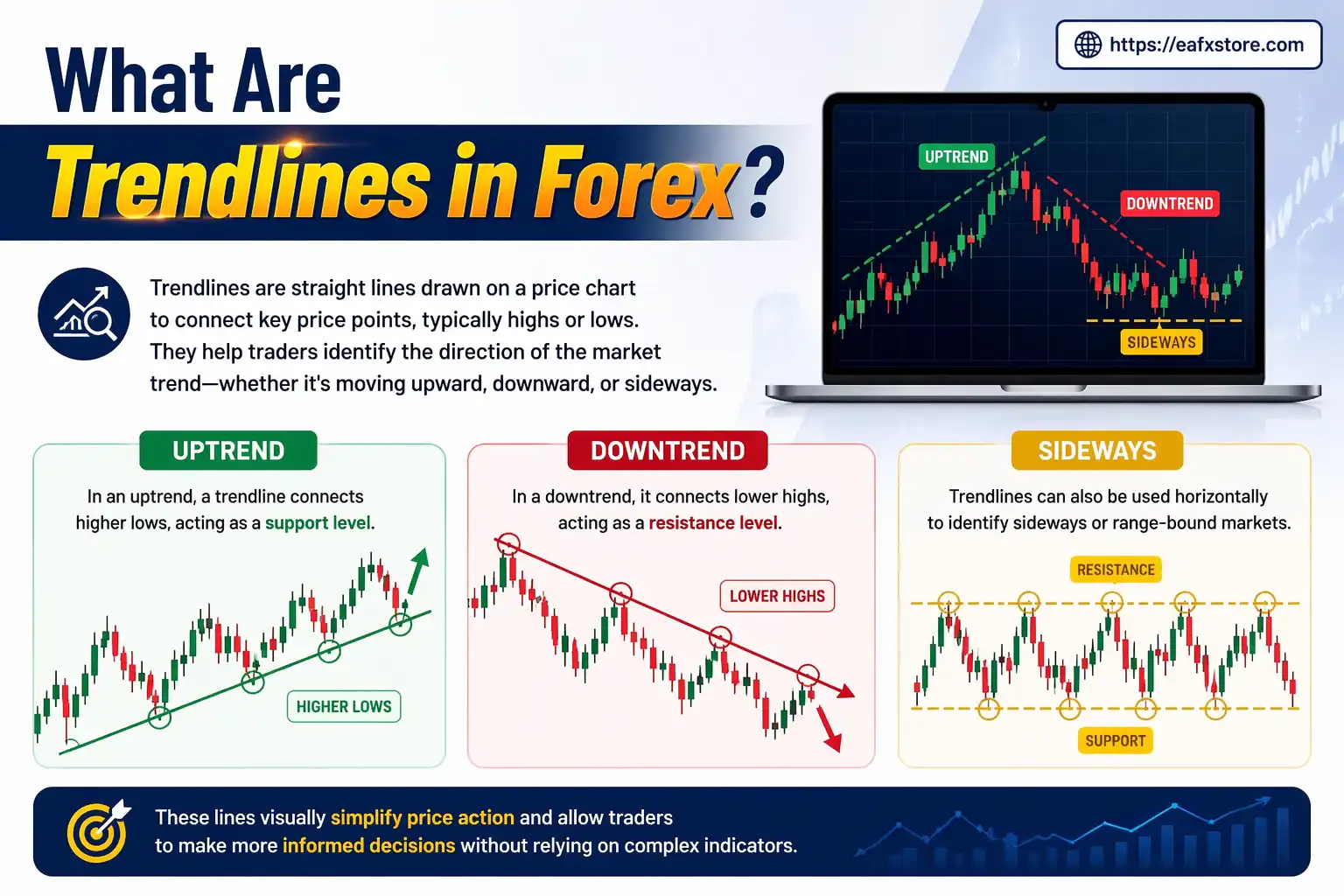
Trendlines are straight lines drawn on a price chart to connect key price points, typically highs or lows. They help traders identify the direction of the market trend—whether it’s moving upward, downward or sideways.
In an uptrend, a trendline connects higher lows, acting as a support level. In a downtrend, it connects lower highs, acting as a resistance level. These lines visually simplify price action and allow traders to make more informed decisions without relying on complex indicators.
Why Trendlines Are Important
Trendlines are essential because they provide clarity in a market that often appears chaotic. They help traders understand the overall direction of price movement and identify potential entry and exit points.
Using trendlines can also improve timing. Instead of guessing when to buy or sell, traders can rely on price interactions with trendlines to confirm decisions. Additionally, trendlines are widely used, meaning many traders react to them—making them even more effective.
Types of Trendlines
There are three main types of trendlines used in Forex trading:
| Type of Trendline | Description | Market Condition |
|---|---|---|
| Uptrend Line | Connects higher lows | Bullish market |
| Downtrend Line | Connects lower highs | Bearish market |
| Horizontal Line | Connects equal highs/lows | Sideways market |
Each type provides insight into market behavior. Recognizing which trendline to use helps traders adapt their strategy depending on market conditions.
How to Draw Trendlines Correctly
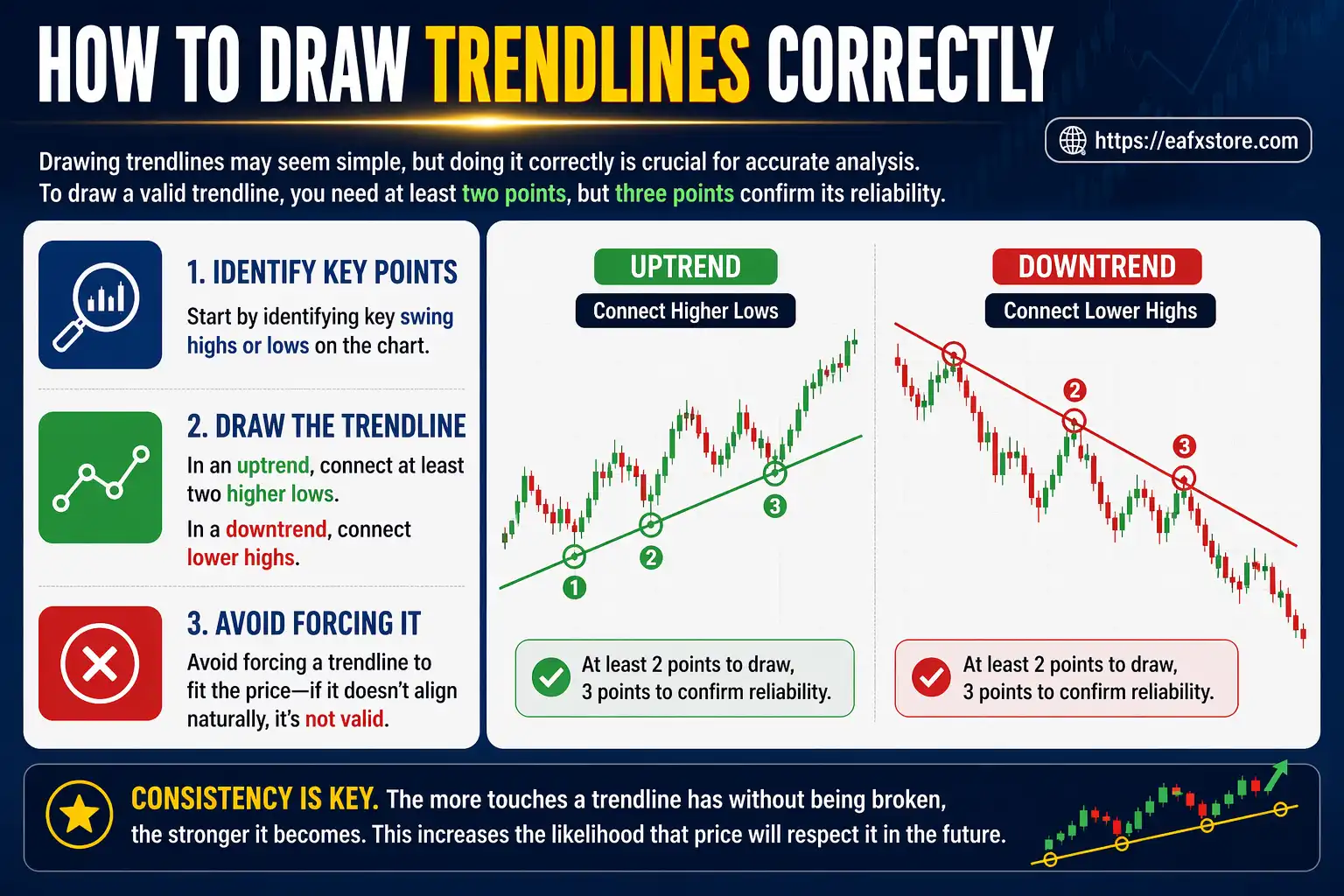
Drawing trendlines may seem simple, but doing it correctly is crucial for accurate analysis. To draw a valid trendline, you need at least two points, but three points confirm its reliability.
Start by identifying key swing highs or lows on the chart. In an uptrend, connect at least two higher lows. In a downtrend, connect lower highs. Avoid forcing a trendline to fit the price—if it doesn’t align naturally, it’s not valid.
Consistency is key. The more touches a trendline has without being broken, the stronger it becomes. This increases the likelihood that price will respect it in the future.
Common Mistakes Beginners Make
Many beginners misuse trendlines, which can lead to poor trading decisions. One common mistake is drawing lines through the middle of price action instead of using clear highs or lows.
Another mistake is adjusting trendlines too often. Constantly redrawing lines to fit price movements defeats their purpose. A valid trendline should remain consistent unless clearly broken.
Lastly, beginners often ignore the timeframe. A trendline on a higher timeframe (like daily) is generally more reliable than one on a lower timeframe (like 5-minute charts).
How to Use Trendlines in Trading
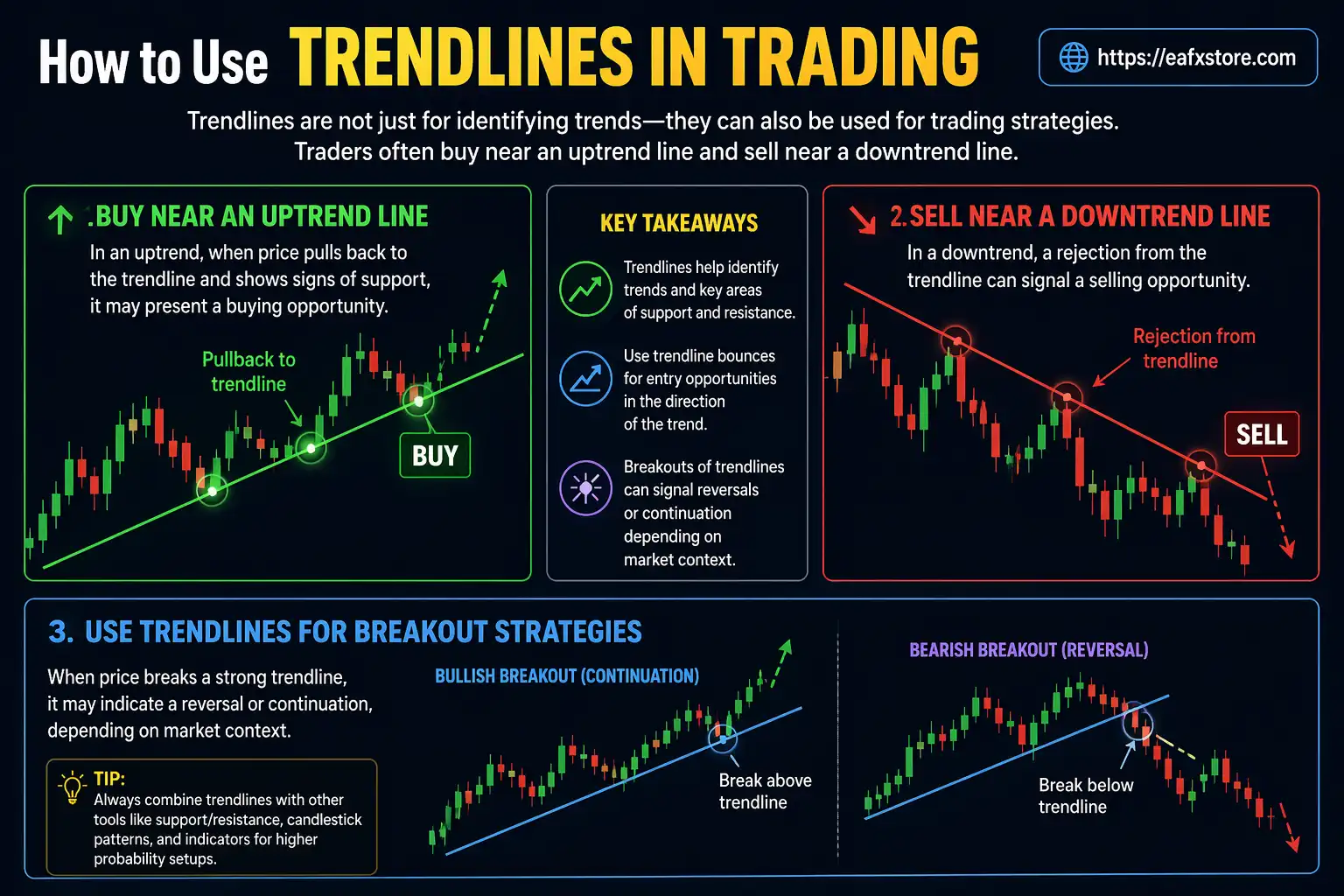
Trendlines are not just for identifying trends—they can also be used for trading strategies. Traders often buy near an uptrend line and sell near a downtrend line.
For example, in an uptrend, when price pulls back to the trendline and shows signs of support, it may present a buying opportunity. Similarly, in a downtrend, a rejection from the trendline can signal a selling opportunity.
Trendlines can also help with breakout strategies. When price breaks a strong trendline, it may indicate a reversal or continuation, depending on market context.
Trendline Breakouts and Reversals
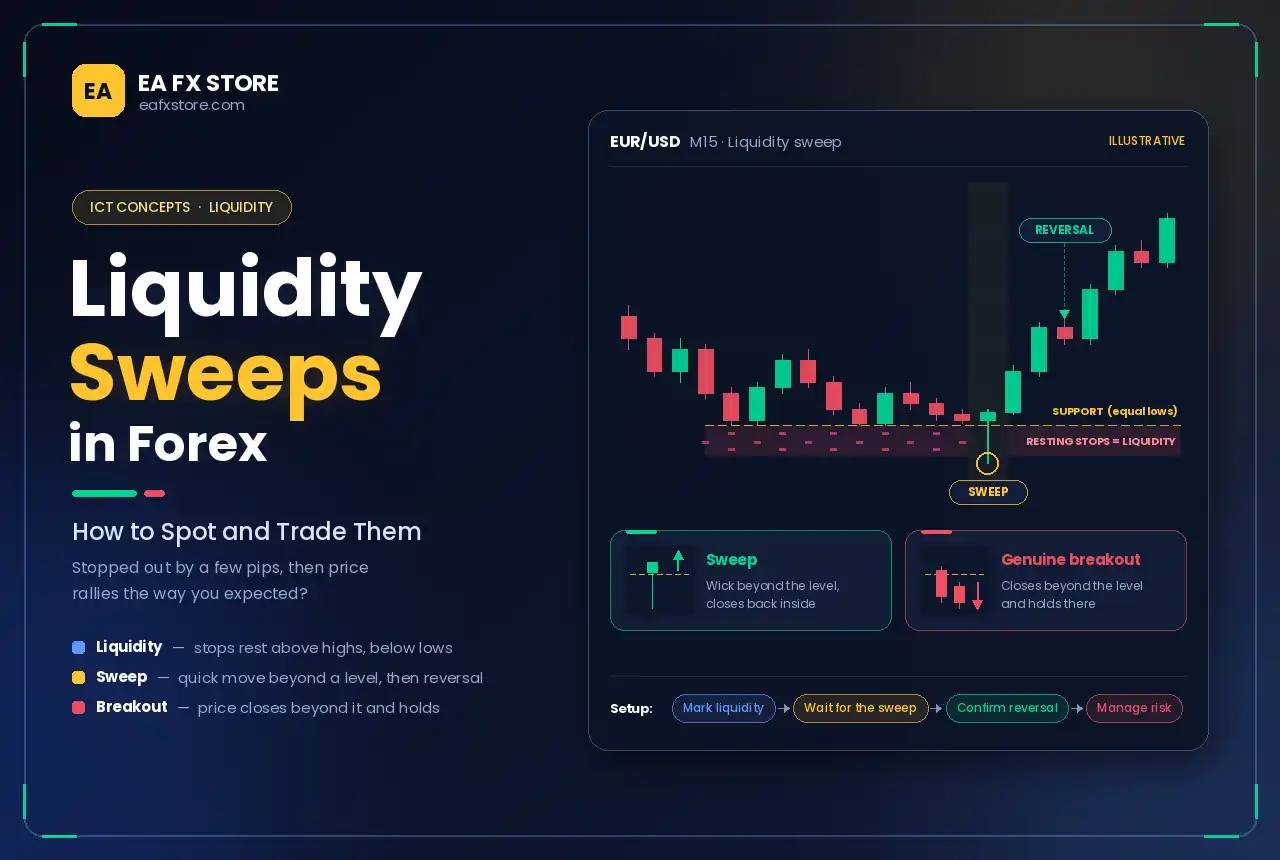
A trendline breakout occurs when price moves beyond the trendline, signaling a potential change in direction. However, not all breakouts are reliable—false breakouts are common.
To confirm a breakout, traders often look for additional signals such as increased volume or candlestick patterns. A strong breakout usually leads to momentum in the new direction.
Reversals often happen after a trendline is broken and retested. This retest can provide a second chance to enter the market with more confidence.
Combining Trendlines with Other Tools
While trendlines are powerful, they work best when combined with other tools. Many traders use them alongside support and resistance levels, moving averages or indicators like RSI.
For example, if a trendline aligns with a support level, it strengthens the likelihood of a price reaction. Similarly, if a breakout occurs with confirmation from another indicator, it increases the probability of success.
Using multiple tools helps filter out false signals and improves overall trading accuracy.
Best Timeframes for Using Trendlines
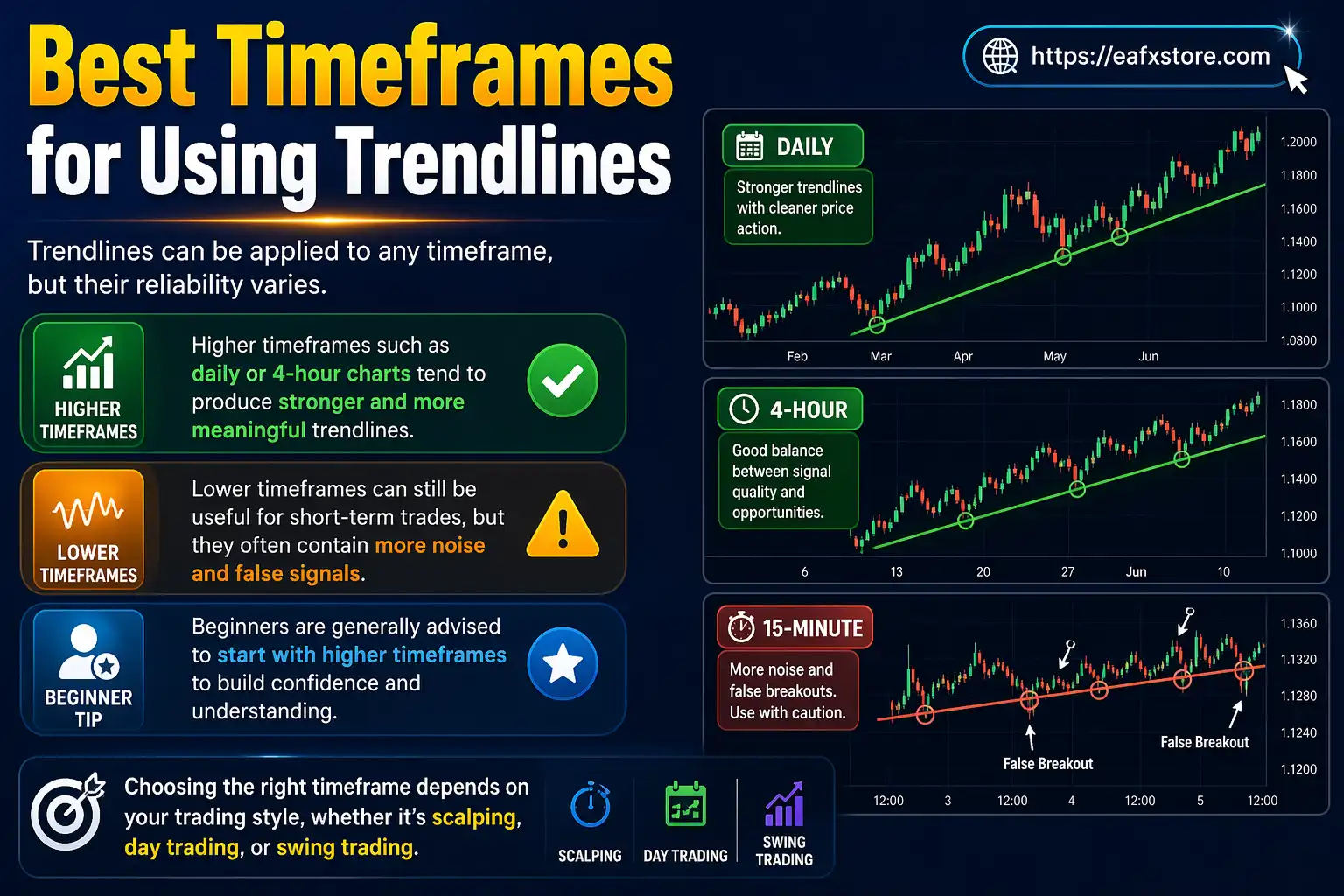
Trendlines can be applied to any timeframe, but their reliability varies. Higher timeframes such as daily or 4-hour charts tend to produce stronger and more meaningful trendlines.
Lower timeframes can still be useful for short-term trades, but they often contain more noise and false signals. Beginners are generally advised to start with higher timeframes to build confidence and understanding.
Choosing the right timeframe depends on your trading style, whether it’s scalping, day trading or swing trading.
Tips for Mastering Trendlines
To become proficient with trendlines, practice is essential. Spend time analyzing charts and drawing trendlines across different currency pairs and timeframes.
Keep your charts clean and avoid overcomplicating them. Trendlines are meant to simplify analysis, not make it more confusing.
Also, be patient. Not every trendline will lead to a successful trade, but consistent practice will improve your ability to identify high-probability setups.
Conclusion
Trendlines are one of the most basic yet effective tools in Forex trading. They help traders identify trends, find entry points and manage risk more effectively.
By learning how to draw and use trendlines correctly, beginners can gain a strong foundation in technical analysis. While they are simple, their power lies in consistent and disciplined use.