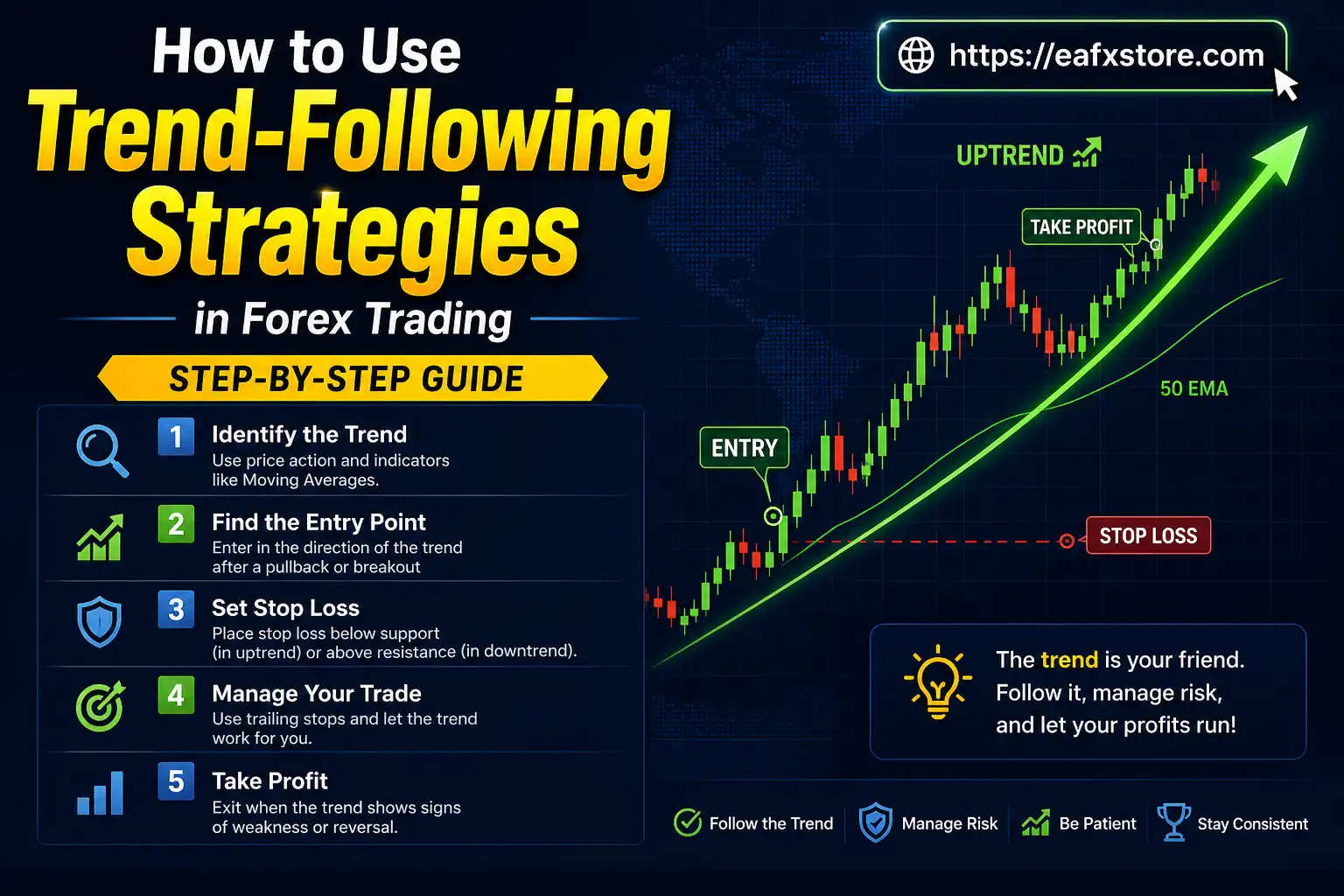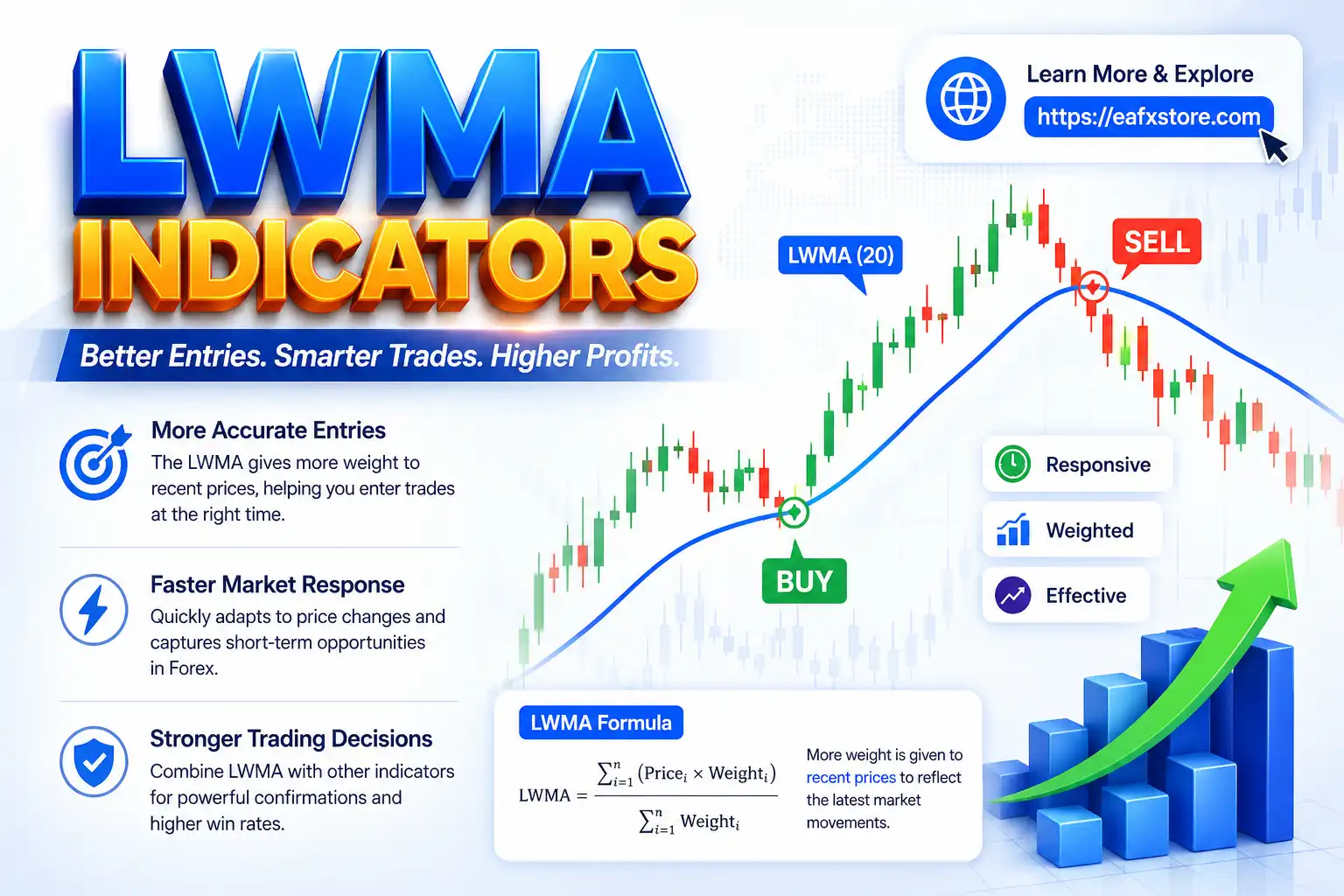


The Forex market is one of the most liquid and dynamic financial markets in the world, offering traders countless opportunities to profit. Among the various trading approaches, trend-following stands out as one of the most reliable and widely used strategies. Instead of predicting market reversals, trend-following focuses on identifying and riding existing market trends.
What is Trend-Following in Forex?
Trend-following is a trading strategy that involves identifying the direction of the market—uptrend, downtrend, or sideways—and placing trades that align with that direction. The core principle is simple: the trend is your friend. Traders aim to enter trades early in a trend and stay in as long as the trend continues.
This strategy works particularly well in Forex due to the market’s tendency to exhibit strong directional movements driven by macroeconomic factors, geopolitical events, and central bank policies.
Why Trend-Following Works in Forex
Trend-following strategies are effective because financial markets often move in sustained directions over time. Instead of fighting the market, traders capitalize on momentum.
Key reasons why trend-following works include:
- Markets reflect collective behavior, often leading to persistent trends.
- Economic fundamentals drive long-term currency movements.
- Institutional traders reinforce trends through large-volume trades.
By aligning with these forces, traders increase their probability of success.
Moving Average Strategy
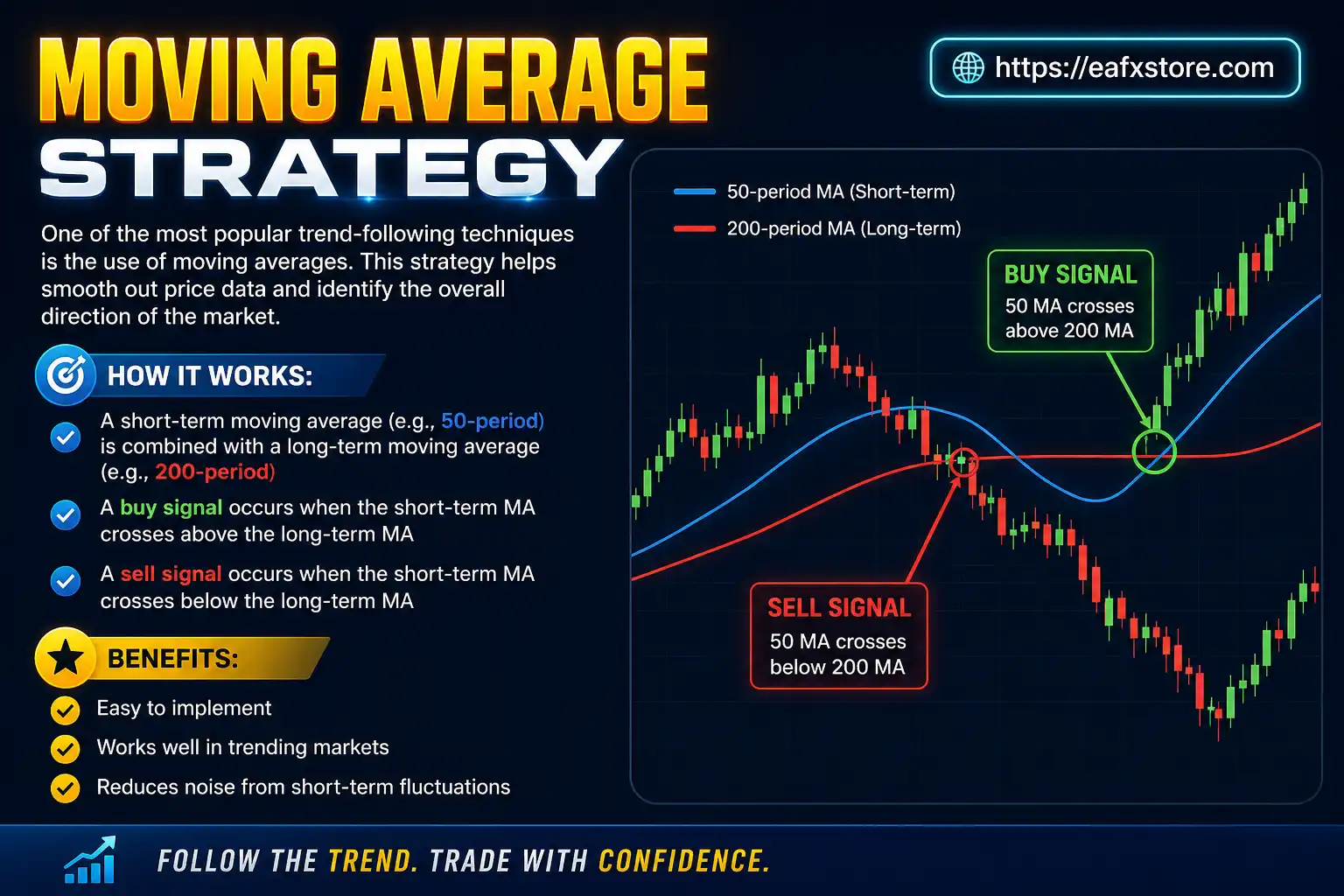
One of the most popular trend-following techniques is the use of moving averages. This strategy helps smooth out price data and identify the overall direction of the market.
🎯 How It Works:
- A short-term moving average (e.g., 50-period) is combined with a long-term moving average (e.g., 200-period)
- A buy signal occurs when the short-term MA crosses above the long-term MA
- A sell signal occurs when the short-term MA crosses below the long-term MA
🎯 Benefits:
- Easy to implement
- Works well in trending markets
- Reduces noise from short-term fluctuations
Breakout Trading Strategy
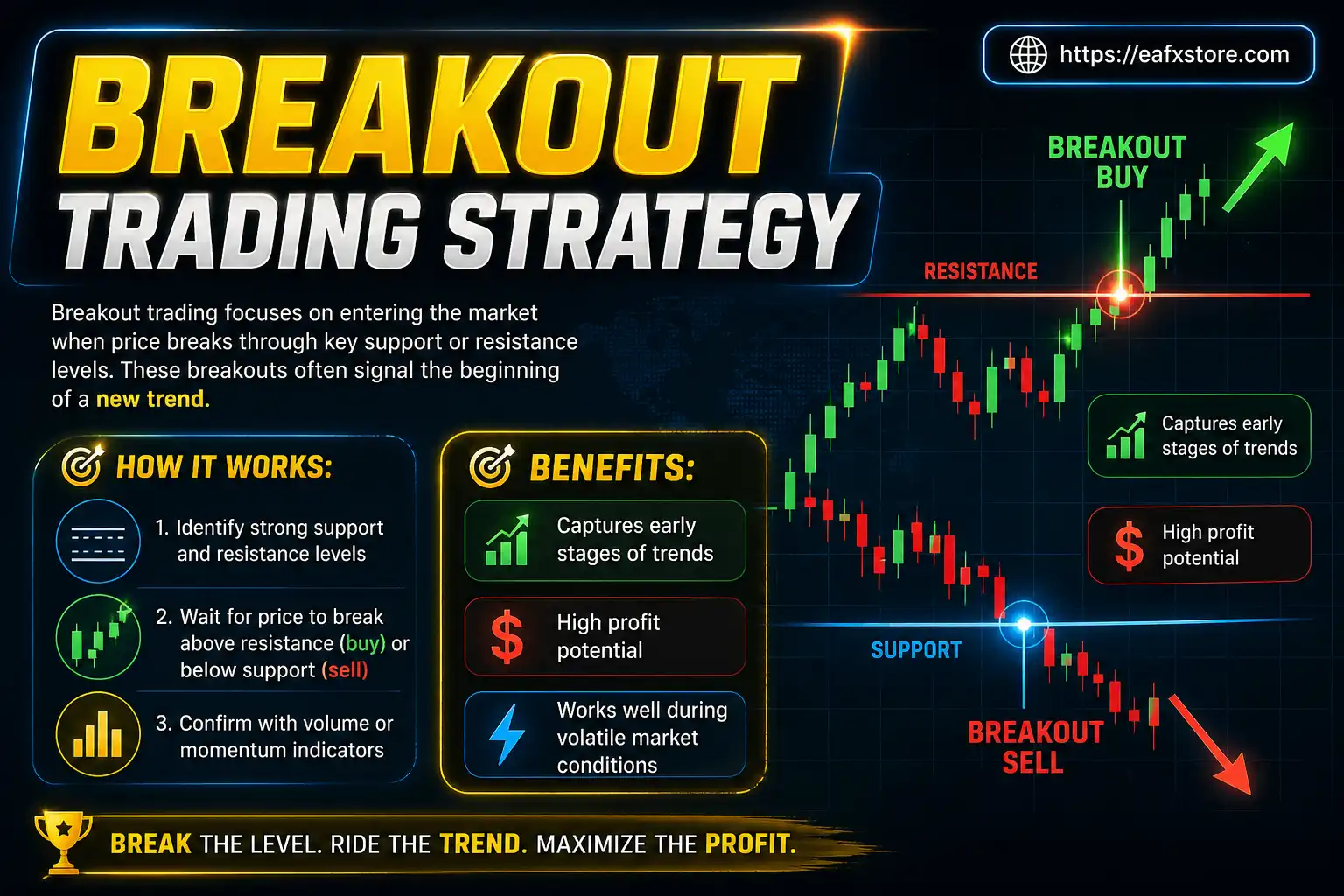
Breakout trading focuses on entering the market when price breaks through key support or resistance levels. These breakouts often signal the beginning of a new trend.
🎯 How It Works:
- Identify strong support and resistance levels
- Wait for price to break above resistance (buy) or below support (sell)
- Confirm with volume or momentum indicators
🎯 Benefits:
- Captures early stages of trends
- High profit potential
- Works well during volatile market conditions
Trendline Strategy
Trendlines are a simple yet powerful tool for identifying trends and potential entry points.
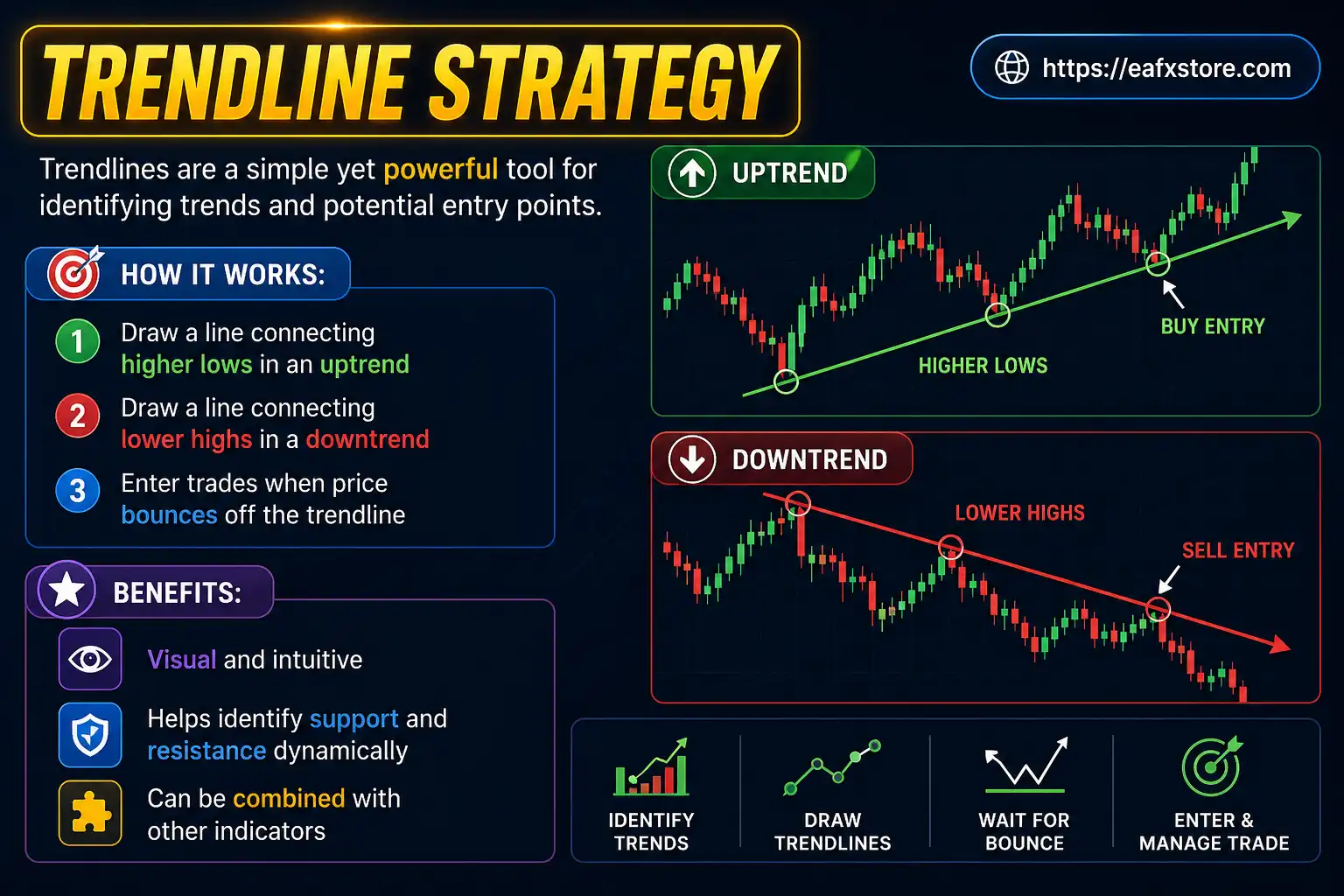
🎯 How It Works:
- Draw a line connecting higher lows in an uptrend
- Draw a line connecting lower highs in a downtrend
- Enter trades when price bounces off the trendline
🎯 Benefits:
- Visual and intuitive
- Helps identify support and resistance dynamically
- Can be combined with other indicators
MACD Trend Strategy
The Moving Average Convergence Divergence (MACD) is a momentum indicator that helps traders identify trend direction and strength.
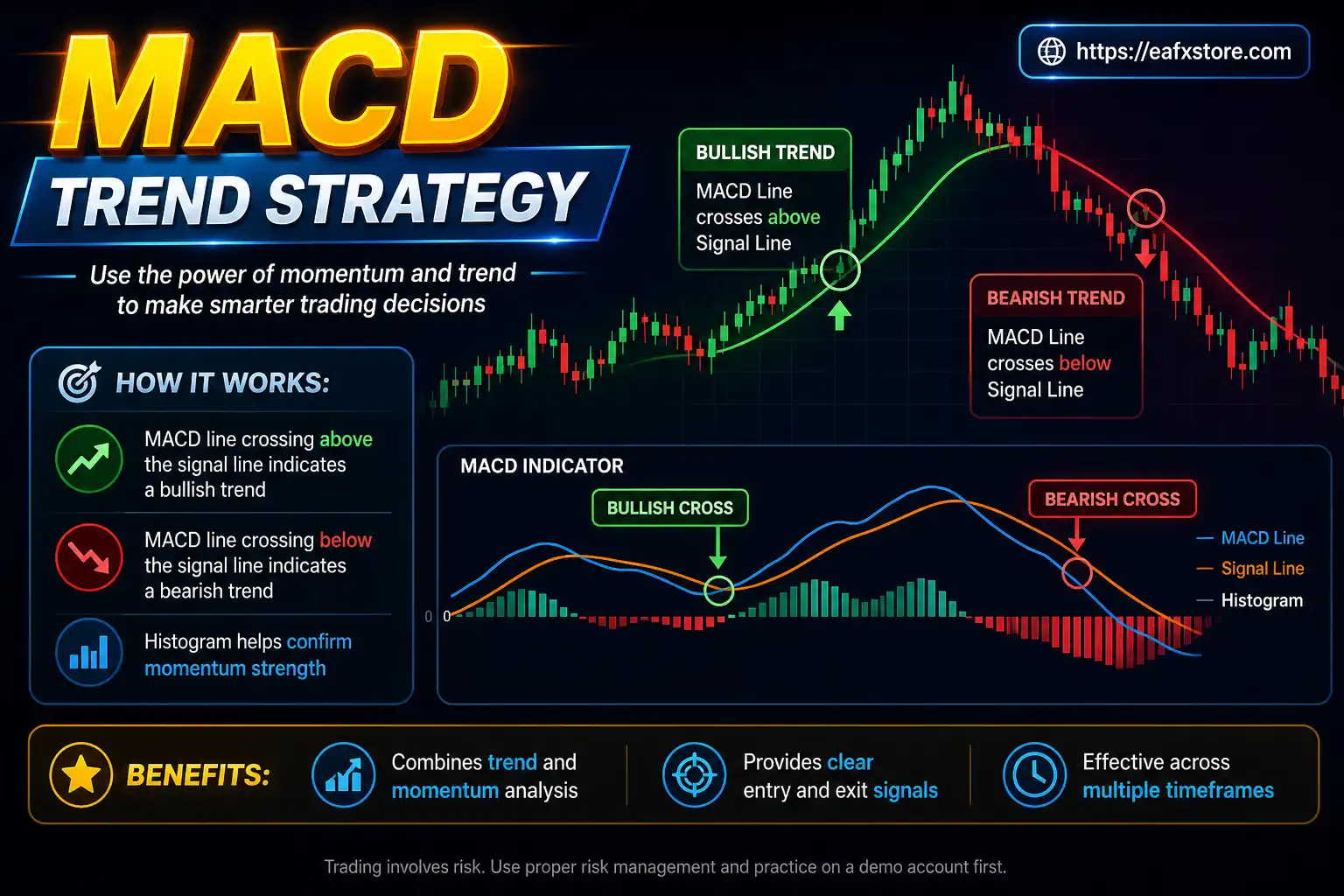
🎯 How It Works:
- MACD line crossing above the signal line indicates a bullish trend
- MACD line crossing below the signal line indicates a bearish trend
- Histogram helps confirm momentum strength
🎯 Benefits:
- Combines trend and momentum analysis
- Provides clear entry and exit signals
- Effective across multiple timeframes
Comparative Overview of Trend-Following Strategies
| Strategy | Best Market Condition | Difficulty Level | Key Advantage |
|---|---|---|---|
| Moving Average | Strong trends | Easy | Simple and reliable signals |
| Breakout Trading | High volatility | Medium | Early trend entry |
| Trendline Strategy | Clear price action | Easy | Visual clarity |
| MACD Strategy | Trending markets | Medium | Combines trend and momentum |
Risk Management in Trend-Following
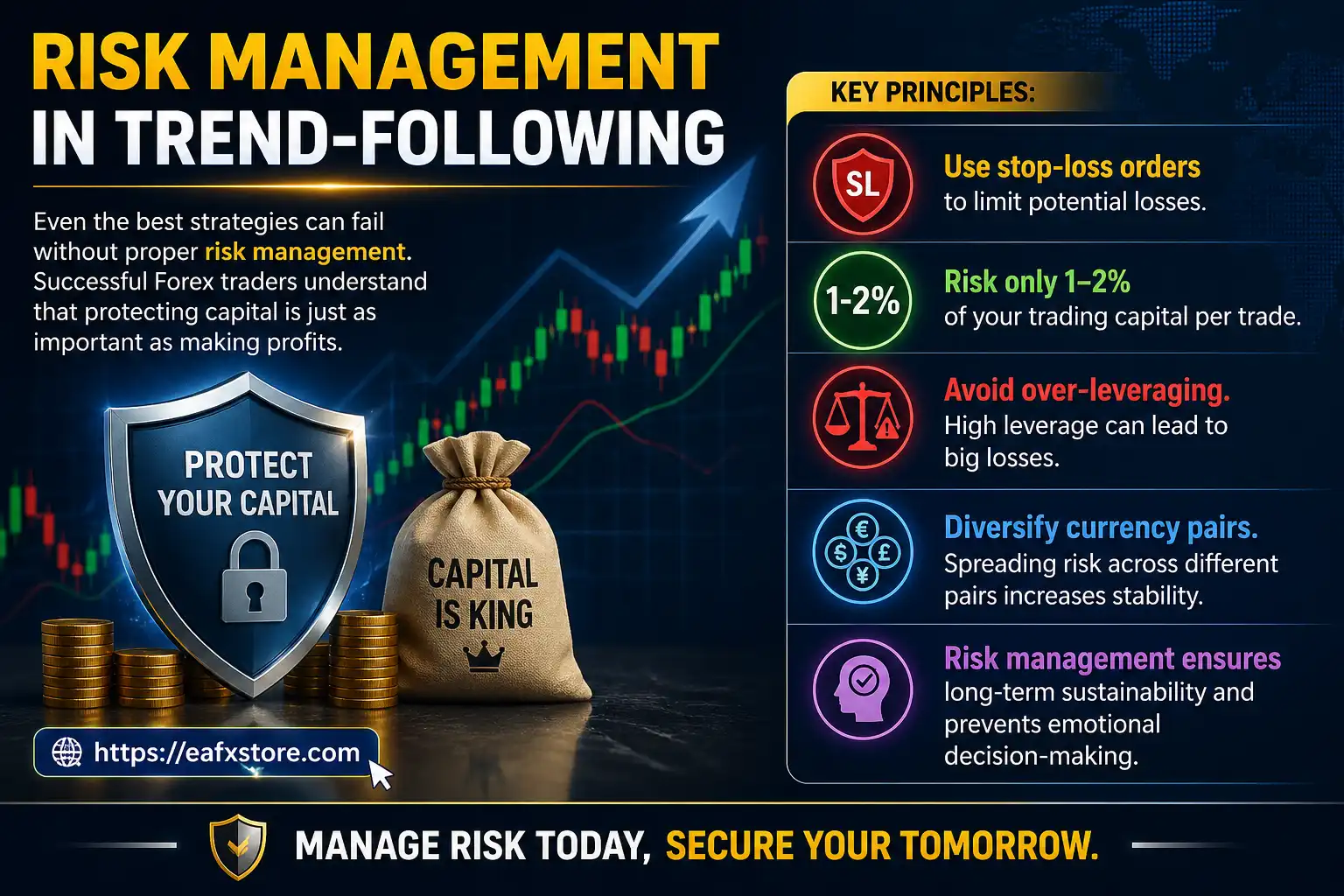
Even the best strategies can fail without proper risk management. Successful Forex traders understand that protecting capital is just as important as making profits.
Key Principles:
- Use Stop Loss (SL) orders to limit potential losses.
- Risk only 1–2% of your trading capital per trade.
- Avoid over-leveraging.
- Diversify currency pairs.
Risk management ensures long-term sustainability and prevents emotional decision-making.
Common Mistakes to Avoid
Many traders struggle with trend-following because they make avoidable mistakes.
Typical Errors:
- Entering trades too late after a trend has matured.
- Ignoring confirmation signals.
- Trading in sideways markets where trends are weak.
- Overtrading due to impatience.
Avoiding these pitfalls can significantly improve trading performance.
Tips to Improve Your Trend-Following Strategy
To maximize profits, traders should continuously refine their approach.
Practical Tips:
- Combine multiple indicators for confirmation.
- Use higher timeframes to identify the main trend.
- Keep a trading journal to track performance.
- Stay updated with economic news and events.
Consistency and discipline are key factors in long-term success.
Conclusion
Trend-following remains one of the most effective strategies in Forex trading due to its simplicity and alignment with market behavior. By leveraging tools like moving averages, breakout strategies, trendlines, and MACD, traders can identify and capitalize on profitable opportunities.
However, success in Forex is not just about choosing the right strategy—it also depends on disciplined execution, risk management and continuous learning. By mastering these elements, traders can significantly enhance their ability to maximize profits in the ever-evolving Forex market.